
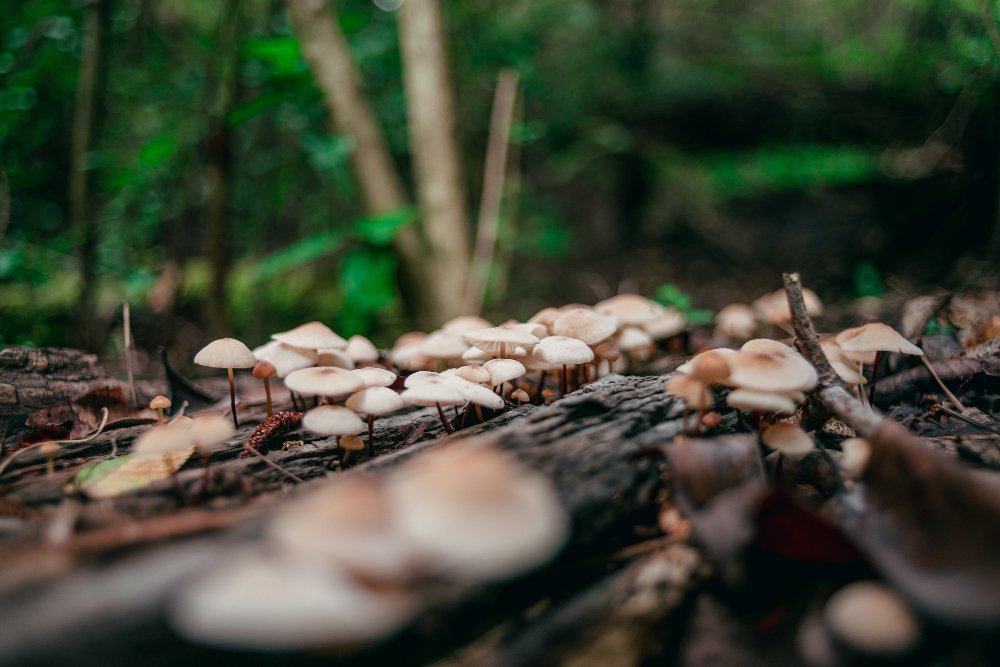
Right now, the demand for mushrooms in Nigeria is growing faster than supply. Restaurants, supermarkets, and health-conscious consumers are looking for fresh mushrooms every day, but very few farmers are meeting this demand. This creates a clear opportunity for you to step in and build a steady income.
In this guide, you will learn exactly how to start mushroom farming in Nigeria step by step. Everything is broken down in a simple way so you can understand it, take action, and start seeing results.
What is Mushroom Farming?
Mushroom farming is the process of growing mushrooms for food and sale. Unlike normal crops, mushrooms do not grow in soil. They grow on materials like sawdust, straw, or agricultural waste under controlled conditions.
You don’t need a big farm or expensive land to start. Many farmers in Nigeria grow mushrooms inside small rooms, sheds, or even containers. What matters most is controlling moisture, temperature, and cleanliness.
Mushrooms are in high demand in Nigeria because more people are becoming health conscious. They are rich in protein, low in fat, and used in many meals. Restaurants, supermarkets, and homes now use mushrooms more than before, but supply is still low.
This gap between demand and supply is what makes mushroom farming a strong business opportunity right now.
Is Mushroom Farming Profitable in Nigeria?
Yes, mushroom farming is profitable in Nigeria if done properly. The demand is high in cities like Lagos, Abuja, and Port Harcourt, where people are willing to pay for fresh and healthy food.
The cost of starting is relatively low compared to other farming businesses. You can start small with simple materials and scale up as you grow. A small setup can begin with ₦50,000 to ₦150,000, depending on how you plan it.
The return on investment is fast. Mushrooms grow quickly, and you can start harvesting within 3 to 5 weeks. This means you can recover your capital faster than many other agricultural businesses.
Smart farmers are making money by supplying directly to restaurants, hotels, and supermarkets. Some also dry and package mushrooms, which increases shelf life and profit.
Types of Mushrooms You Can Grow in Nigeria
There are different types of mushrooms, but not all are easy to grow in Nigeria. The best choice depends on your experience level and available resources.
Oyster mushrooms are the best option for beginners. They grow fast, require simple conditions, and are easy to manage. This is why most new farmers in Nigeria start with them.
Button mushrooms are also popular, especially in supermarkets. However, they need more controlled environments and are slightly harder to grow. They are better for farmers who already understand the basics.
Shiitake mushrooms are considered premium and can sell at higher prices. But they require more technical knowledge and patience. This makes them more suitable for advanced farmers who want to scale into higher-value markets.
Starting with oyster mushrooms gives you a safer entry point before exploring other types.
Requirements for Starting Mushroom Farming in Nigeria
You don’t need a large farm to start mushroom farming. A small indoor space like a room, store, or shed is enough. The space must be clean, well-ventilated, and protected from direct sunlight.
Mushrooms grow best in cool and humid conditions. You need to maintain a temperature between 20°C and 30°C and keep the environment moist. This can be done by watering the area regularly and controlling airflow.
The main materials you need include mushroom spawn, substrate like sawdust or straw, containers or bags, water, and simple tools. Cleanliness is very important to avoid contamination.
Your capital depends on your scale. A small setup may cost ₦50,000 to ₦150,000, a medium setup ₦200,000 to ₦500,000, and a larger commercial setup can go above ₦1,000,000. Start small, learn the process, and grow gradually.
Step-by-Step Guide to Start Mushroom Farming in Nigeria
Step 1: Get Basic Knowledge and Training
Before you start mushroom farming in Nigeria, take time to learn the basics. Understand how mushrooms grow and what they need to survive. This will help you avoid costly mistakes.
You can learn from online videos, local farmers, or short training programs. Focus on the mushroom lifecycle, hygiene, and environmental control. A little knowledge at this stage will save you money later.
Step 2: Choose the Right Mushroom Type
Start with oyster mushrooms because they are the easiest to grow. They require less stress, grow fast, and are widely accepted in the Nigerian market.
Avoid starting with complex types like button or shiitake mushrooms. As a beginner, your goal is to learn and make your first profit. Once you gain experience, you can expand into other types.
Step 3: Secure a Suitable Location
You need a clean and controlled space for mushroom farming in Nigeria. This can be a small room, a shed, or even a container. The space must not be exposed to direct sunlight.
Ensure there is good ventilation and airflow. Mushrooms need fresh air but not strong wind. Keep the environment clean at all times to prevent contamination.
Step 4: Source Your Materials
Get quality mushroom spawn from trusted suppliers. This is very important because bad spawn will ruin your entire process. Always confirm the source before buying.
You also need substrate materials like sawdust or straw. These are what the mushrooms will grow on. Other items include nylon bags, water, and simple tools.
Step 5: Prepare the Substrate
The substrate must be properly prepared before use. This involves sterilizing or pasteurizing it to kill harmful organisms. If you skip this step, your mushrooms may not grow well.
You can do this by heating the substrate with hot water or steam. After that, allow it to cool before using it. Clean preparation leads to better yield.
Step 6: Inoculation (Planting the Spawn)
Inoculation means adding the mushroom spawn into the substrate. This should be done in a clean environment to avoid contamination.
Mix the spawn properly with the substrate and pack it into bags or containers. Seal it well and keep it ready for the next stage. This step is where growth begins.
Step 7: Incubation Stage
Place the bags in a dark and warm space for incubation. This stage allows the mushroom to grow inside the substrate. Do not disturb it during this period.
The temperature should be stable, and the area should remain clean. After some days, you will notice white growth spreading inside the bags. This shows that the process is working.
Step 8: Fruiting Stage
Move the bags to a place with light and fresh air. This helps the mushrooms start forming. Increase moisture by spraying water around the environment.
Do not pour water directly on the mushrooms. Keep the humidity high and the air fresh. This stage is where you begin to see actual mushrooms growing.
Step 9: Harvesting
Harvest your mushrooms when they are fully grown but still fresh. Do not wait until they start to dry out. Use your hand to gently twist and remove them.
Handle them carefully to avoid damage. Proper harvesting helps maintain quality and increases your market value.
Step 10: Storage and Packaging
You can sell mushrooms fresh or dry them for longer storage. Fresh mushrooms should be kept in a cool place or refrigerator. They usually last a few days.
Drying helps extend shelf life and makes transportation easier. Package them neatly in clean bags or containers. Good packaging attracts better buyers and higher prices.
Also Read: How To Start Honey Production Business In Nigeria
Cost of Starting Mushroom Farming in Nigeria (2026 Breakdown)
The cost of starting mushroom farming in Nigeria depends on your scale. You can begin small and grow over time. What matters is understanding your budget and managing it well.
For a small-scale setup, you can start with ₦50,000 to ₦150,000. This covers spawn, substrate, bags, and a simple space. This level is good for beginners who want to learn and test the market.
A medium setup may cost between ₦200,000 and ₦500,000. At this level, you can produce more and supply small businesses. You may also invest in better ventilation and storage.
Commercial farming can cost ₦1,000,000 or more. This includes proper structures, equipment, and large production. This level is for those ready to supply supermarkets and large buyers consistently.
How to Sell Mushrooms in Nigeria
Selling is where your profit comes from in mushroom farming in Nigeria. You need buyers before your mushrooms are ready. This reduces waste and increases your chances of making steady income.
Start by targeting hotels, restaurants, and supermarkets. These places use mushrooms regularly and can buy in bulk. Walk in, introduce your product, and offer samples if possible.
You can also sell in open markets, but direct supply is more profitable. When you supply directly, you avoid middlemen and keep more profit.
Online sales are growing fast in Nigeria. Use WhatsApp and Instagram to promote your mushrooms. Post clear pictures, prices, and your contact details to attract buyers.
Common Mistakes to Avoid in Mushroom Farming
One of the biggest mistakes in mushroom farming in Nigeria is poor hygiene. Dirty environments can destroy your entire production. Always keep your space and materials clean.
Another common mistake is poor temperature control. Mushrooms are sensitive to heat and dryness. If the environment is too hot or too dry, they will not grow well.
Using bad or low-quality spawn is also risky. It can lead to poor yield or complete failure. Always buy from trusted sources and check quality before use.
Avoid rushing the process. Mushroom farming requires patience and attention. Doing things the right way gives better results.
Challenges of Mushroom Farming in Nigeria
One major challenge is controlling temperature and humidity. Nigeria’s climate can be hot, which makes it harder to maintain the right conditions. You may need to adjust your setup to manage this.
Another issue is low awareness. Many people still do not understand mushrooms or their benefits. This can affect how fast you sell, especially in some areas.
Market access can also be a problem for beginners. Finding steady buyers may take time. This is why it is important to start building your market early.
Despite these challenges, mushroom farming in Nigeria is still growing. With the right approach, you can overcome these issues and succeed.
How Long Does Mushroom Farming Take?
Mushroom farming in Nigeria is fast compared to many other crops. From setup to harvest, it usually takes about 3 to 5 weeks. This makes it a good option for quick returns.
The incubation stage takes about 2 to 3 weeks. During this time, the mushroom grows inside the substrate. You will start seeing signs of growth as it spreads.
The fruiting stage takes about 5 to 10 days. This is when the mushrooms begin to appear and grow fully. Proper care during this stage is very important.
Once ready, you can harvest and even get multiple harvests from the same setup. This makes mushroom farming a continuous and rewarding business.
Conclusion
Unlike seasonal crops, mushrooms can be grown all year round if you control the environment. This gives you a stable income and makes you more attractive to serious buyers who want regular supply. Over time, consistent supply builds trust, and trust is what turns small farmers into reliable suppliers.
If you think long term, mushroom farming can also open doors beyond just selling fresh produce. You can expand into dried mushrooms, mushroom powder, or even training others. These extra income streams are where many smart farmers make even more money without increasing production stress.
Mushroom farming in Nigeria is still underdeveloped, and that is exactly why the opportunity is strong right now.
