
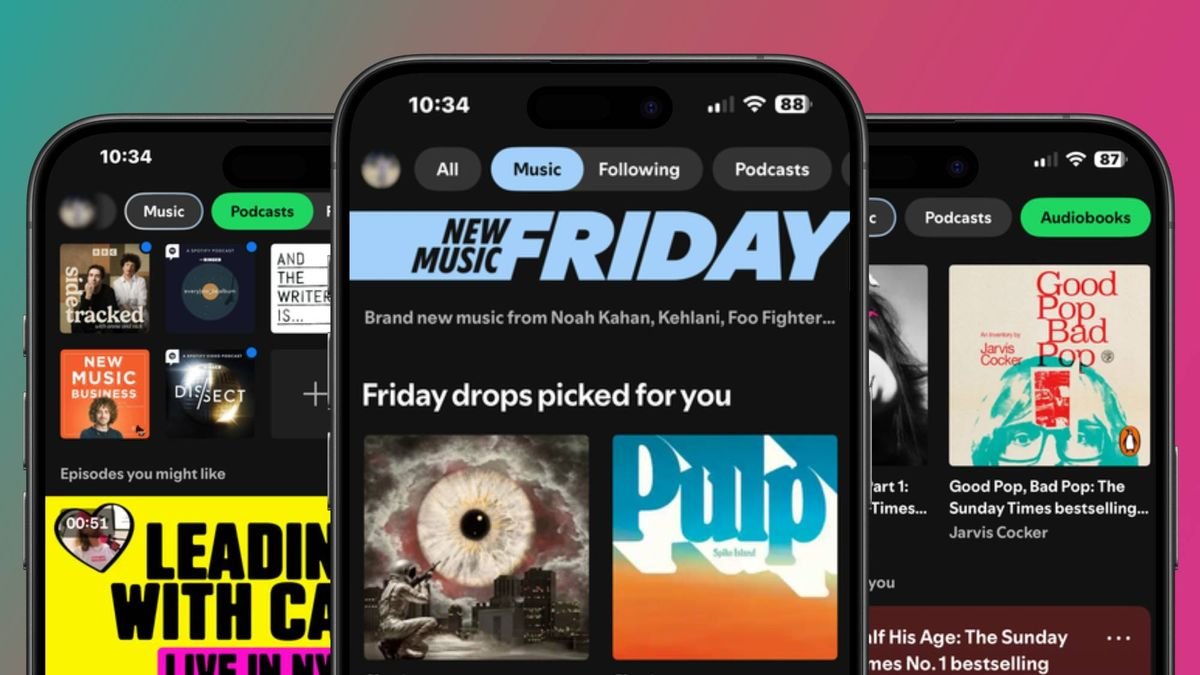
For many years, podcasts have been one of the best ways to learn, stay informed, and be entertained. People listen to podcasts while driving, working, or even resting. But now, something new is coming that could completely change how podcasts work.
Spotify has just introduced a new feature that allows users to create their own personal podcasts using artificial intelligence. This is not just another update. This is a big shift that could change how we consume content forever.
In simple terms, Spotify is no longer just a place where you listen to other people’s podcasts. It is becoming a place where you can create your own podcast instantly, using AI tools.
What Exactly Is This New Spotify Feature?
The new feature allows users to create what Spotify calls personal podcasts. These are audio programs generated by AI based on what you want to hear. Instead of searching for a podcast that fits your interest, you can simply ask an AI to create one for you.
For example, you can type something like, “Explain the history of football in simple terms,” and the AI will generate a podcast episode just for you. It will organize the information, turn it into audio, and save it in your Spotify library.
This means you are no longer limited to what creators upload. You can now generate content based on your exact needs.
This feature works with tools like OpenAI Codex and Claude Code, which help generate the content before sending it to Spotify. Once created, the audio behaves like any other podcast you listen to on the app.
Why This Changes Everything
To understand how big this is, you need to understand how podcasts have always worked. Traditionally, podcasts are created by humans. Someone records their voice, edits the audio, and uploads it for others to listen.
But with this new system, the process is different. The AI does the work. It gathers information, organizes it, and creates the audio without human recording.
This means content can be created faster, cheaper, and more personalized.
Think about it this way. Instead of spending time searching for the right podcast episode, you simply create one that fits exactly what you want. It saves time and removes frustration.
This is why many people believe this new Spotify feature could replace podcasts as we know them.
The Rise of Personalized Content
One of the biggest reasons this feature is powerful is personalization. People want content that fits their exact needs, not general content made for everyone.
With AI-generated podcasts, every user can have a unique listening experience. Two people can ask the same topic and still get slightly different explanations based on how they phrase their request.
This is very different from traditional podcasts, where everyone listens to the same episode.
It also means learning becomes easier. Students can create simple explanations of difficult topics. Business owners can generate quick market insights. Even busy professionals can create daily summaries of important news.
The content is no longer fixed. It becomes flexible and personal.
What This Means for Podcast Creators
This new feature brings both opportunity and risk for podcast creators. On one hand, it opens new doors. Creators can use AI to speed up their work and produce more content.
On the other hand, it creates serious competition.
If users can generate their own podcasts instantly, they may stop searching for existing ones. This could reduce listeners for traditional podcast creators.
Creators will now need to focus on something AI cannot easily replace. This includes strong storytelling, personal experiences, and unique opinions. These are things that make human content special.
In short, content will shift from information to connection. People will still listen to humans, but only if there is real value beyond basic information.
The Hidden Challenge Nobody Is Talking About
While this feature sounds exciting, there is a deeper issue that many people are not talking about.
AI-generated content is not always perfect. It can make mistakes, misunderstand context, or present wrong information confidently. This becomes a problem when people rely on it for learning or decision making.
If users begin to trust AI podcasts too much, they may accept incorrect information without questioning it.
Another issue is content overload. When it becomes easy to create unlimited podcasts, people may become overwhelmed. Instead of solving the problem of too much content, this feature could actually make it worse.
There is also the question of originality. If AI is generating content from existing information, then who owns the content? And how do we separate original ideas from recycled ones?
These are serious questions that will shape the future of this feature.
Why Spotify Is Doing This
This move is not random. Spotify is trying to become more than just a music app.
Over the years, Spotify has expanded into podcasts, audiobooks, and even video. Now, it is moving into AI-generated content.
The goal is simple. Keep users inside the app for longer periods.
If you can create and listen to your own content on Spotify, you have fewer reasons to leave the platform. This increases engagement and opens new ways to make money in the future.
It also puts Spotify in direct competition with AI platforms and content tools. Instead of losing users to those platforms, Spotify is bringing those features into its own system.
This is a smart business move, but also a risky one.
The Future of Podcasts
So, will this new Spotify feature replace podcasts completely?
Not immediately. Human podcasts will still exist, and many people will continue to enjoy them. There is something powerful about listening to real voices, real stories, and real experiences.
However, the way we use podcasts is about to change.
In the future, podcasts may split into two categories. One side will be AI-generated content that focuses on information and speed. The other side will be human-created content that focuses on emotion, storytelling, and connection.
Both will exist, but they will serve different purposes.
Also Read:
Ask.com Shuts Down. But It Was Smarter Than Google, So Why Did It Fail
The Bottom Line
This new Spotify feature could replace podcasts as we know them, not because it is better, but because it is different. It gives users more control, faster access, and highly personalized content.
But it also brings new risks, especially around accuracy, originality, and content overload.
The real question is not whether AI podcasts will grow. That is already happening. The real question is how people will use them, and how creators will adapt.
One thing is clear. The podcast industry is changing, and those who understand this early will have the biggest advantage.
