
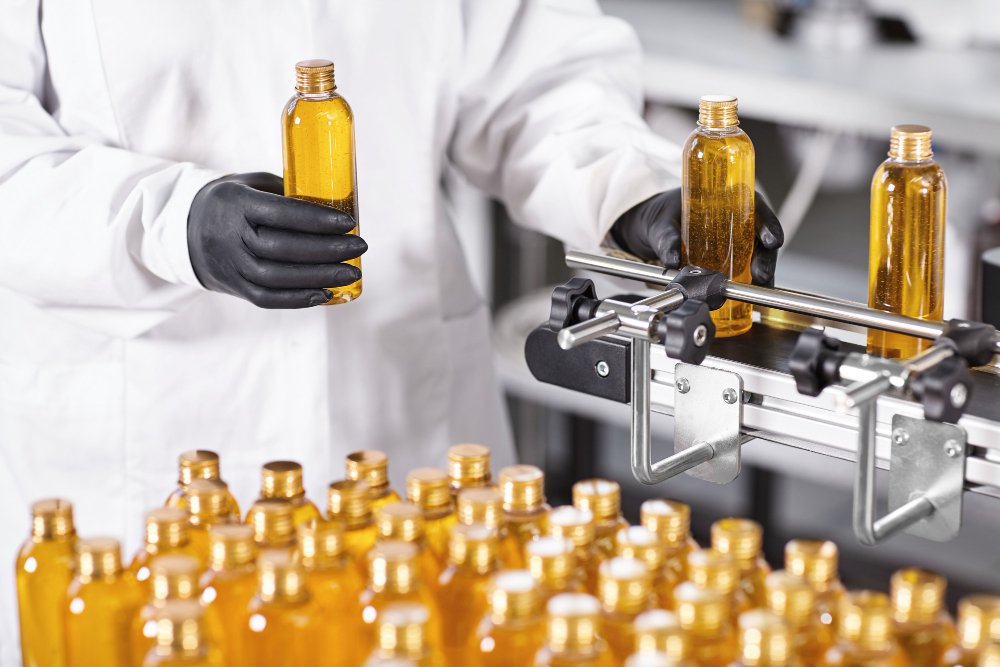
Honey production is no longer just serving food items. It serves health, skincare, and natural remedies, and the demand keeps increasing every year.
The interesting part is that many of the honey sold in Nigeria is either low quality or mixed. This means people are actively searching for pure, original honey, and they are willing to pay good money for it. That gap in the market is where your opportunity is.
Bees do most of the production work. Your job is to manage, harvest, and sell smartly.
In this guide, you will learn how to start honey production business in Nigeria step by step, from setting up your first hive to selling your honey for profit. If you follow this properly, you can build a business that brings steady income and long-term growth.
1. Understand the Honey Production Business in Nigeria
Honey production simply means keeping bees, harvesting honey, and selling it. You are not just farming; you are running a full business that includes production, processing, packaging, and marketing. Bees do most of the work, but your job is to manage them properly.
The demand for honey in Nigeria is very high. People use honey for food, health, skincare, and even traditional medicine. Many sellers dilute honey, so buyers are always looking for pure and trusted honey, which creates a strong opportunity.
2026 is a good time to start because awareness is growing. More Nigerians now prefer natural products over sugar. Also, honey can be exported, which means you can earn in dollars if you scale properly.
2. Choose Your Honey Production Model
Before you start, decide how you want to run your business. This will determine your cost, effort, and profit level. You don’t need to start big; you just need to start right.
Small-scale beekeeping is the easiest way to begin. You can keep a few hives in your backyard or a small piece of land. It requires low capital and helps you learn without risking too much money.
Commercial honey farming is for those who want to go big. This involves many hives, larger land, and structured operations. The profit is higher, but it requires better planning and more investment.
You can also focus only on processing and packaging. In this model, you buy raw honey, refine it, brand it, and sell. It is less stressful than beekeeping but depends heavily on finding trusted suppliers.
3. Get Basic Knowledge and Training
Do not rush into honey production without learning first. Bees are sensitive, and a small mistake can cost you your entire colony. Basic knowledge will save you time, money, and stress.
Start by learning how bees behave. Understand how they build hives, produce honey, and react to humans. This will help you handle them safely and avoid unnecessary stings.
You should also learn how to inspect hives, feed bees when needed, and prevent diseases. These are simple skills, but they make a big difference in your success.
In Nigeria, you can get training from agricultural institutes, local beekeepers, or online platforms. Even a short training can give you the confidence to start properly.
4. Write a Simple Honey Production Business Plan
A business plan helps you stay organized and focused. You don’t need anything complicated. Just write down how much you will spend, how you will produce, and how you will sell.
Start with your startup cost. Include land (if needed), beehives, protective gear, and basic tools. This gives you a clear picture of how much money you need to begin.
Next, estimate how much honey you can produce and sell. This helps you understand your expected income. Even rough numbers are better than guessing blindly.
Finally, define your target market. Decide if you want to sell to individuals, supermarkets, or bulk buyers. You can also think about export later as your business grows.
5. Register Your Business
Registering your honey business makes it official and trustworthy. Customers take you more seriously when your business is registered. It also allows you to supply to bigger buyers.
Start by choosing a simple and memorable business name. Then register it with the Corporate Affairs Commission (CAC). The process is straightforward and can be done online.
If you plan to package and sell branded honey, you may need approval from the National Agency for Food and Drug Administration and Control (NAFDAC). This is important for entering supermarkets and pharmacies.
Registration may look small, but it opens bigger opportunities. It helps you build a brand, not just a hustle.
6. Select a Suitable Location
Bees need a calm and natural environment to thrive. Your location will affect how much honey you produce. A poor location can reduce your yield, no matter how hard you try.
The best locations are areas with plenty of flowers, trees, and water sources. Farms and rural areas are usually ideal. Avoid places with too much noise, pollution, or human disturbance.
You can still keep bees in urban areas, but it requires more care. Make sure the environment is safe and that your neighbors are not at risk.
You don’t need a large land to start. Even a small, quiet space can work for a few hives. As your business grows, you can expand gradually.
7. Buy Essential Beekeeping Equipment
To start honey production, you need the right tools. Good equipment makes your work easier and keeps you safe. It also helps you produce clean and quality honey.
The most important item is the beehive. There are different types, but beginners often start with simple and affordable ones. Choose a hive that is easy to manage.
You also need protective gear like a bee suit, gloves, and a face veil. These protect you from stings and give you confidence when working with bees.
Other tools include a smoker, hive tool, and honey extractor. These help you manage the bees and harvest honey properly. Start with the basics, then upgrade as your business grows.
8. Install Your Beehives and Attract Bees
Start by placing your beehives in a quiet, shaded area. Keep them slightly raised from the ground to avoid moisture and pests. Make sure the hive entrance faces a clear path so bees can move freely.
To attract bees, you can use natural methods. Rubbing a little beeswax or honey inside the hive helps draw them in. Some farmers also use attractants like sugar water, but natural scents work better long-term.
In Nigeria, the best time to start is during the dry season. This is when flowers are available, and bees are more active. Starting at the right time increases your chances of getting strong colonies quickly.
9. Manage and Maintain Your Beehives
Once bees enter your hive, your job is to manage them properly. Check your hives regularly, but do not disturb them too often. A simple inspection once every one to two weeks is enough.
During dry periods, bees may need extra feeding. You can give them sugar water to support their survival. Always keep their environment clean and free from anything that can harm them.
Watch out for pests like ants and termites. These can destroy your hive if ignored. Also, wear your protective gear at all times to avoid stings and accidents.
10. Harvest Honey Properly
You should only harvest honey when the comb is fully sealed. This means the honey is ready and has low moisture. Harvesting too early will reduce quality and shelf life.
Use a smoker to calm the bees before opening the hive. Carefully remove the honeycomb without damaging the colony. Always work gently to avoid stressing the bees.
Keep everything clean during harvesting. Use clean tools and containers to avoid contamination. This is important if you want to sell high-quality honey in Nigeria.
11. Process and Package Your Honey
After harvesting, the next step is processing. Start by filtering the honey to remove wax and dirt. This gives you clean and smooth honey that customers will trust.
Store your honey in airtight containers. Keep it in a cool and dry place to maintain quality. Avoid exposing it to heat, as this can reduce its value.
For packaging, use clean bottles or jars with proper labels. Your label should include your brand name and contact details. Good packaging makes your honey look professional and easier to sell.
12. Price Your Honey for Profit
Pricing your honey correctly is key to making profit. Start by calculating your total cost, including equipment, labor, and packaging. Then add a reasonable profit margin.
Check the current market price of honey in Nigeria. This helps you stay competitive without underpricing your product. Avoid selling too cheap, as it can affect how people see your quality.
You can sell at retail or wholesale. Retail gives you more profit per bottle, while wholesale helps you sell faster in large quantities. Choose what works best for your business stage.
13. Market and Sell Your Honey
To succeed in the honey production business in Nigeria, you must know how to sell. Start by offering your honey to people around you. Friends, family, and neighbors can become your first customers.
You can also supply supermarkets, pharmacies, and local stores. These places already have customers, which makes selling easier. Just make sure your product looks clean and trustworthy.
Online sales are also powerful. Use WhatsApp and Instagram to promote your honey. Post clear pictures, share testimonials, and respond quickly to messages to build trust.
14. Understand the Challenges and Risks
Honey production is profitable, but it has challenges. One major issue is seasonal production. Bees produce more honey during certain periods, so your income may not be steady all year.
There is also the risk of theft and hive damage. Some people steal hives or destroy them out of fear. Proper location and basic security can reduce this risk.
Another challenge is fake honey in the market. Many sellers dilute honey, which affects trust. This is why you must focus on quality and build a strong reputation.
15. Scale Your Honey Production Business
Once you start making consistent sales, you can expand. Increase the number of beehives to boost production. More hives mean more honey and higher income.
You can also diversify your products. Bees produce items like beeswax, propolis, and royal jelly. These products have their own markets and can increase your profit.
As you grow, consider export opportunities. Nigerian honey is valued in some international markets. With proper packaging and certification, you can sell beyond Nigeria and earn more.
Conclusion
Nigeria consumes far more honey than it produces locally, and a large portion is either imported or adulterated. This supply gap means you are not entering a saturated market, you are entering an underserved one. Even small producers who maintain quality often struggle to meet demand, especially from urban buyers and health-conscious customers.
There is also a long-term play most people ignore. Honey production naturally leads into high-value by-products like beeswax for cosmetics, propolis for medicine, and pollination services for farms. These areas are less competitive and can quietly bring in more money than honey itself if you scale properly.
If you approach this business with patience, focus on quality over quantity, and build a name people trust, you won’t just be selling honey, you will be building a brand that stands out in a weak market. That is the real difference between struggling sellers and those who dominate this space.
