
Artificial Intelligence is changing the world at a speed few people imagined. Tools powered by AI are helping people write, learn, code, create images, analyze data, and even run businesses. As AI becomes more important, a new idea is gaining attention in the United States.
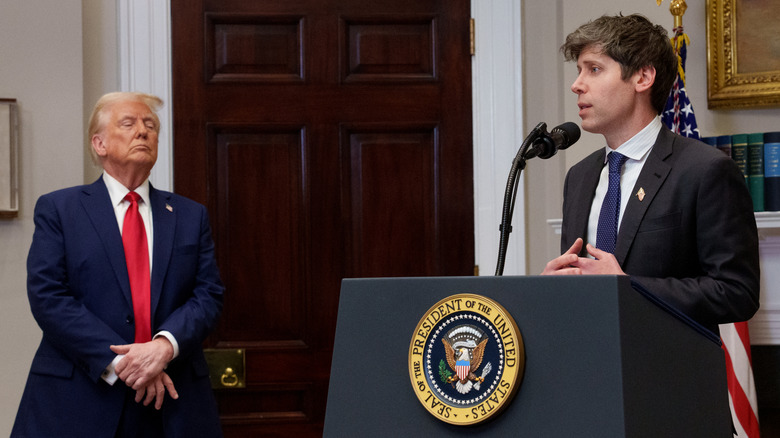
There are now discussions about the US government taking an ownership stake in OpenAI, the company behind ChatGPT. Reports suggest that OpenAI CEO Sam Altman and officials in the Trump administration have been discussing ways for ordinary Americans to benefit directly from the growth of AI.
The idea is unusual because governments do not normally own part of private technology companies. However, supporters believe it could allow citizens to share in the wealth created by one of the most important technologies of the century.
So what exactly is being discussed, and what could it mean for OpenAI, the US government, and ordinary people? Let’s break it down in simple terms.
What Is OpenAI?
OpenAI is one of the world’s leading artificial intelligence companies. It is best known for creating ChatGPT, one of the most widely used AI tools on the planet.
Over the last few years, OpenAI has become one of the most valuable technology companies in the world. Businesses, schools, governments, and individuals use its products every day.
Because AI is expected to become a major part of the global economy, companies like OpenAI are attracting huge investments and reaching extremely high valuations.
Many experts believe that AI companies could become even bigger than some of today’s largest technology firms.
What Is the Government Ownership Proposal?
The proposal being discussed would allow the US government to own a portion of OpenAI.
In simple terms, the government would become a shareholder in the company. Just like an investor who buys stock in a business, the government would own a percentage of OpenAI and could benefit if the company’s value increases.
According to reports, one idea being discussed involves OpenAI contributing shares to a special fund that would benefit the American public.
The goal is to ensure that the wealth created by artificial intelligence is not enjoyed only by company founders, investors, and large corporations.
Instead, supporters want ordinary citizens to receive some of the benefits as well.
Why Is This Idea Being Considered?
Artificial intelligence is expected to create enormous wealth in the coming years.
Many economists believe AI could increase productivity, boost business profits, and create entirely new industries. At the same time, there are concerns that AI could replace some jobs and concentrate wealth among a small number of companies.
This has led some politicians and business leaders to ask an important question.
If AI creates trillions of dollars in value, should some of that value go directly to the public?
Supporters of government ownership believe the answer is yes.
They argue that AI will affect society as a whole, so society should also share in the rewards.
What Is a Public Wealth Fund?
One of the key ideas connected to this proposal is something called a Public Wealth Fund.
A Public Wealth Fund is a pool of assets owned on behalf of citizens. The value of those assets can grow over time and generate money that benefits the public.
Some countries already use similar systems. For example, certain nations invest government-owned funds in companies, stocks, and other assets.
OpenAI has reportedly discussed the idea of creating a fund that would allow citizens to have a stake in AI-driven economic growth.
If such a system were created, profits or gains from government-owned shares could potentially be used for public programs or even distributed directly to citizens.
Why Is Trump Interested in the Idea?
President Donald Trump recently spoke about creating arrangements where the American people could benefit directly from the success of AI companies.
According to reports, Trump described the idea as a partnership between the public and major technology firms.
Supporters believe this could help address growing concerns about AI.
Many people are worried about how artificial intelligence could affect jobs, wages, and economic opportunities. Allowing citizens to share in AI-generated wealth could help reduce some of those concerns.
For politicians, it is also an attractive message because it presents AI as something that benefits everyone, not just wealthy investors.
Why Some People Support the Proposal
Supporters see several potential benefits.
First, they believe it could help spread the financial rewards of AI across a larger part of society. Instead of wealth being concentrated among a small group of investors, more people could potentially benefit.
Second, supporters argue that AI is becoming such an important technology that citizens should have some form of ownership in its success.
Third, they believe public ownership could help reduce economic inequality if AI creates large profits for technology companies.
Some political leaders from different sides of the political spectrum have shown interest in ideas that would allow citizens to benefit more directly from AI growth.
Why Critics Are Worried
Not everyone likes the idea.
One major concern is that government ownership could create conflicts of interest.
Governments are responsible for regulating companies and enforcing rules. If the government owns part of a company, some people worry it may become harder to regulate that company fairly.
Critics also fear that government involvement could influence business decisions.
Technology companies often move quickly and make decisions based on market conditions. Some believe government ownership could make these processes more complicated.
Others worry that increasing government involvement in private businesses could set a precedent that expands government influence over the technology sector.
Could This Affect OpenAI’s Future?
If the proposal moves forward, it could have a significant impact on OpenAI.
The company could become one of the first major AI firms with a direct ownership connection to the federal government.
This would make OpenAI very different from most private technology companies.
At the same time, it could strengthen OpenAI’s relationship with policymakers and potentially increase public support for AI development.
However, it could also bring more scrutiny, more political attention, and more debates about how the company operates.
What Does This Mean for the AI Industry?
The discussions surrounding OpenAI could have effects far beyond a single company.
If the government eventually takes a stake in OpenAI, other major AI companies could face similar proposals.
Companies developing advanced AI systems may find themselves under increasing pressure to demonstrate how the public will benefit from their success.
This could change how governments interact with the technology industry in the future.
Instead of simply regulating AI companies, governments might become investors or stakeholders in some cases.
That would represent a major shift in how the technology sector operates.
What Happens Next?
At the moment, discussions are still ongoing.
No final agreement has been announced, and many details remain unclear. It is not yet known how much of OpenAI the government could own or exactly how citizens would benefit.
There are also legal, financial, and political questions that would need to be resolved before any arrangement becomes reality.
For now, the proposal remains an idea under discussion rather than an official policy.
Google Will Pay SpaceX $920 Million Per Month Until 2029, Here’s Why
The Bottom Line
The possibility that the US government could become a shareholder in OpenAI is one of the most unusual technology stories of the year. It highlights how important artificial intelligence has become and how governments are beginning to think differently about its economic impact.
Supporters believe public ownership could help ordinary citizens benefit from the wealth created by AI. Critics worry it could blur the line between government oversight and corporate ownership. Both sides agree on one thing, artificial intelligence is becoming too important to ignore.
Whether the proposal eventually happens or not, the discussion itself reveals a bigger trend. Governments around the world are looking for ways to ensure that the benefits of AI reach more people. As artificial intelligence continues to reshape industries and economies, debates about ownership, wealth, and public benefit are likely to become even more important in the years ahead.
