
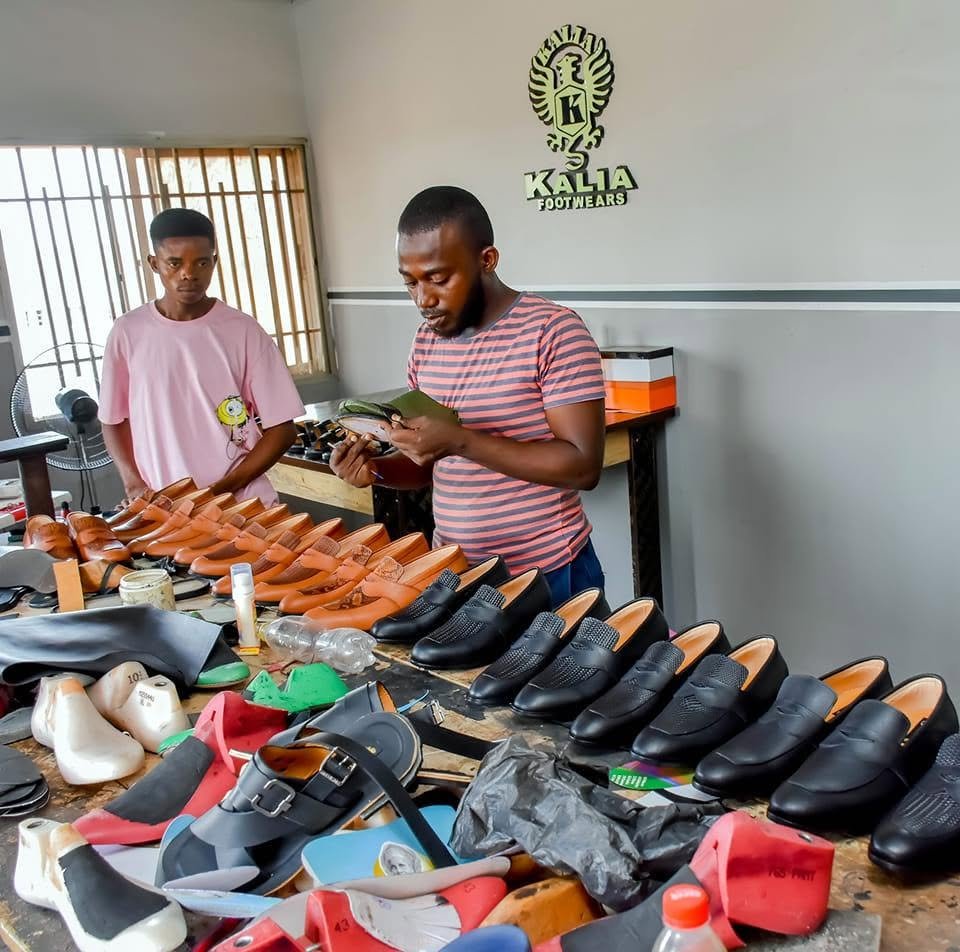
If you look around today, almost everyone is wearing a pair of shoes. Students wear them to school. Workers wear them to the office. Business owners wear them to meetings. Fashion lovers buy different styles to match their outfits. This simple reality is one of the reasons the shoe making business in Nigeria continues to attract smart entrepreneurs every year.
The good news is that you do not need millions of naira or a large factory to get started. Many successful shoe brands in Nigeria began with a few basic tools, a small workspace, and the willingness to learn the craft. With the right knowledge, dedication, and business strategy, you can start small and gradually build a profitable brand.
However, knowing how to make shoes alone is not enough. To succeed in the shoe making business in Nigeria, you must understand how to choose the right niche, source quality materials, price your products properly, attract customers, and grow your business over time.
In this ultimate guide, you will learn exactly how to start a shoe making business, the tools and materials you need, the estimated startup cost, common mistakes to avoid, and the practical steps that can help you turn shoe making into a profitable business.
Why Shoe Making Is a Profitable Business in Nigeria in 2026
The shoe making business in Nigeria continues to grow because people wear shoes every day. Students need school shoes, workers need corporate shoes, and many people buy sandals, sneakers, and fashion footwear regularly. This creates steady demand throughout the year.
Another reason the business is profitable is that many shoes sold in Nigeria are imported. Local shoe makers can take advantage of this by producing quality shoes at competitive prices. Many Nigerians are now willing to support locally made products when the quality is good.
The startup cost is also flexible. You can begin from a small workshop at home and gradually expand as your customer base grows. With the right skills, quality materials, and proper marketing, a shoe making business in Nigeria can become a reliable source of income.
Step 1: Understand the Different Types of Shoes You Can Make
Before investing money into the shoe making business, you need to understand the different types of shoes available in the market. This will help you decide what to produce and who you want to sell to.
Male corporate shoes are commonly worn by office workers, business owners, and professionals. Female footwear includes heels, flats, sandals, and other fashion shoes. School shoes are purchased by parents every academic session, making them a steady source of demand.
Sneakers are popular among young people and fashion lovers. Sandals and slippers are affordable, easy to produce, and sell quickly in many parts of Nigeria. Safety boots are mostly used by construction workers, factory workers, and industrial companies.
As a beginner, it is often better to focus on one or two categories first. This allows you to improve your skills and build a reputation before expanding into other shoe types.
Step 2: Learn Shoe Making Skills
Learning shoe making is the foundation of a successful shoe making business. Even if you plan to hire workers later, understanding the process will help you maintain quality and manage production properly.
One of the most common ways to learn is through apprenticeship. You can work under an experienced shoe maker for a few months to learn measuring, pattern making, cutting, stitching, lasting, and finishing.
You can also attend shoe making schools and training centres that offer structured programs. Some people prefer online shoe making courses because they provide flexibility and can be studied from home.
Whichever method you choose, focus on practical learning. The more shoes you make with your own hands, the faster you will improve and gain confidence.
Step 3: Choose a Shoe Niche and Target Market
One mistake many beginners make is trying to sell every type of shoe to everyone. It is usually more effective to focus on a specific niche and target market.
The budget market focuses on affordable shoes for everyday buyers. The premium market targets customers who are willing to pay more for better materials, design, and finishing. Corporate footwear serves professionals who need formal shoes for work and business meetings.
School footwear targets students from primary school to university level. Fashion footwear focuses on people who follow trends and want stylish designs. Each market has different customer needs, pricing expectations, and buying habits.
Choosing a niche helps you understand your customers better. It also makes your marketing easier and allows your shoe making business to stand out from competitors.
Step 4: Create a Business Plan for Your Shoe Making Business
A business plan is simply a document that explains how your shoe making business will operate and make money. It serves as a roadmap that guides your decisions as the business grows.
Your business plan should include the type of shoes you want to make, your target customers, startup costs, pricing strategy, marketing methods, and expected income. You do not need a complicated document. A simple and realistic plan is often enough for a small business.
Creating a business plan helps you avoid costly mistakes. It gives you a clear picture of how much money you need, what challenges to expect, and how you plan to achieve your business goals.
Step 5: Register Your Shoe Making Business
Registering your business makes your shoe making business look more professional and trustworthy. Customers, suppliers, and corporate clients often prefer dealing with registered businesses.
You can register your business name through the relevant government registration process. This gives your brand a legal identity and allows you to operate more confidently in the market.
You should also think about trademark protection as your brand grows. A trademark helps protect your business name, logo, and brand identity from being copied by others.
While registration may not increase sales immediately, it creates a strong foundation for future growth and expansion.
Step 6: Get the Equipment and Tools Needed for Shoe Production
The quality of your tools can affect the quality and speed of your work. Before starting production, make sure you have the essential equipment required for shoe making.
Common tools include cutting knives, scissors, hammers, shoe lasts, measuring tapes, stitching tools, punching tools, brushes, and finishing equipment. As your business expands, you may also invest in industrial sewing machines and other specialized equipment.
You do not need to buy every machine at the beginning. Focus on the tools needed for your current production level and upgrade gradually as your income increases.
Buying durable equipment can save money in the long run because you will spend less on repairs and replacements.
Step 7: Buy Quality Shoe Making Materials
The quality of your materials plays a major role in the final quality of your shoes. Even the best shoe maker may struggle to produce excellent products if the materials are poor.
Leather is one of the most important materials because it affects durability, appearance, and comfort. Soles determine how strong and long-lasting the shoes will be. Adhesives help hold different parts of the shoe together securely.
Threads are used for stitching and should be strong enough to withstand regular use. Accessories such as buckles, eyelets, zippers, and decorative items can improve the appearance of the finished product.
Always inspect materials before buying them. Using quality shoe making materials can improve customer satisfaction, increase repeat purchases, and strengthen your brand reputation.
Also Read: What Business Can I Start With 2 Million Naira In Nigeria
Step 8: Set Up Your Shoe Making Workshop
Your workshop is where all production will take place. It does not have to be a large building when you are starting. A clean room, small shop, or garage can be enough if it allows you to work comfortably and store your materials properly.
Choose a location with good ventilation, proper lighting, and enough space to move around freely. Shoe making involves cutting, gluing, stitching, and finishing, so you need an environment that helps you work safely and efficiently.
Arrange your tools and materials in an organized way. When everything has its place, you save time, reduce waste, and increase productivity. A well-organized shoe making workshop also creates a professional impression when customers visit.
Step 9: Calculate Your Startup Cost
Before starting your shoe making business in Nigeria, calculate how much money you need. This helps you avoid spending blindly and gives you a clear financial target.
A low-budget setup may require between ₦100,000 and ₦500,000. This is usually enough for basic tools, a small workspace, and materials for your first few pairs of shoes.
A medium-scale setup may require between ₦500,000 and ₦2 million. This allows you to buy better equipment, produce more shoes, and operate from a dedicated workshop.
A large-scale setup may require ₦2 million and above. This is suitable if you plan to employ workers, buy industrial machines, and produce shoes in larger quantities from the beginning.
Step 10: Produce Your First Shoe Samples
Before selling to customers, make a few sample shoes. These samples will help you test your skills, improve your finishing, and identify mistakes before producing in larger quantities.
Focus on making each pair as neat and durable as possible. Pay attention to stitching, fitting, comfort, and overall appearance. A poorly finished sample can discourage potential buyers even if the design is good.
Your first samples will also become your marketing tools. You can photograph them, post them online, show them to potential customers, and use them to attract your first orders. Many successful shoe brands started with just a few quality samples.
Step 11: Price Your Shoes Correctly
Many new shoe makers either overprice their products or sell too cheaply. Both mistakes can hurt the business. Your price should cover your costs and still leave room for profit.
Start by calculating the cost of materials, labour, transportation, packaging, and other expenses involved in producing each pair. Once you know your total cost, add a reasonable profit margin.
Do not focus only on being the cheapest shoe maker in the market. Customers often pay more for quality, durability, and good finishing. A fair pricing strategy helps your shoe making business remain profitable while still attracting buyers.
Step 12: Create a Brand Identity
A strong brand helps people remember your business. In a competitive market, customers are more likely to trust and recommend a brand that looks professional.
Start by choosing a simple business name that is easy to remember and relates to your products. Your logo should be clean, easy to recognize, and suitable for both online and offline use.
Good packaging can make your shoes look more valuable and improve customer experience. Simple labels with your business name, contact details, and social media handles can also help customers find you again after making a purchase.
Step 13: Market Your Shoe Making Business
No matter how good your shoes are, people must know they exist before they can buy them. Marketing is what brings attention to your products and helps you attract customers.
Instagram and TikTok are excellent platforms for showcasing your designs through photos and videos. Facebook helps you reach local buyers, while WhatsApp allows you to communicate directly with interested customers and take orders quickly.
Create a Google Business Profile so people searching for shoe makers in Nigeria can find your business online. You can also work with influencers who have an audience that matches your target market. Even a small influencer can help introduce your products to hundreds of potential customers.
Step 14: Start Selling Your Shoes
Once your products are ready, focus on getting them into the hands of customers. Direct sales are often the easiest option when starting because they allow you to keep all the profit and build relationships with buyers.
You can also supply retail stores that sell footwear in your area. As your production capacity increases, distributors may help you reach more customers across different cities.
Online marketplaces and social media platforms provide another sales channel. Many customers now prefer ordering shoes online. Selling through multiple channels can help your shoe making business generate more consistent sales.
Step 15: Deliver Excellent Customer Service
Customer service can determine whether a buyer returns or never buys from you again. A customer who enjoys the buying experience is more likely to recommend your business to others.
Respond to messages quickly and answer questions politely. Be honest about pricing, delivery timelines, and product specifications. Customers appreciate transparency and reliability.
If a customer has a complaint, handle it professionally instead of becoming defensive. Sometimes a simple apology and quick solution can turn an unhappy customer into a loyal supporter. Good customer service is one of the fastest ways to grow a shoe making business in Nigeria.
Step 16: Scale Your Shoe Making Business
As demand increases, you should start thinking about growth. Scaling simply means increasing your ability to produce and sell more shoes without reducing quality.
You may need to hire staff to assist with production, customer service, or delivery. Investing in better equipment can also help you produce more shoes within a shorter period.
As your brand becomes more established, consider opening additional outlets or workshops. You can also target bulk contracts from schools, companies, organizations, and institutions that need large quantities of footwear. These contracts can provide steady income and help your shoe making business grow much faster.
Conclusion
Take a moment to think about it. Two shoe makers can produce shoes of similar quality, yet one struggles to sell while the other has customers waiting for new collections. The difference is usually trust, branding, and customer loyalty. Once customers begin asking specifically for your brand instead of simply looking for any shoe, you gain pricing power and become less vulnerable to competition.
Another important trend is that many Nigerian shoe makers are no longer limiting themselves to their local markets. Social media, WhatsApp Business, online marketplaces, and nationwide delivery services now allow a shoe maker in Aba, Lagos, Kano, or Ibadan to sell to customers across Nigeria and even abroad. This means your biggest opportunity may not be the people living around you, but the thousands of potential customers who discover your products online.
There is also a growing opportunity in specialized markets that many entrepreneurs ignore. Schools, security companies, hotels, religious organizations, hospitals, factories, and corporate firms purchase footwear in bulk. While many new shoe makers focus only on individual customers, a single institutional contract can sometimes generate more revenue than dozens of retail sales.
Perhaps the most overlooked advantage of the industry is that shoes are not a one-time purchase. Unlike products people buy once and forget, footwear wears out. School children outgrow their shoes. Workers replace worn-out pairs. Fashion trends change. This creates repeat demand, which is one of the strongest foundations for building a sustainable business. If your product quality is good, many of your future sales can come from existing customers rather than constantly searching for new ones.
