
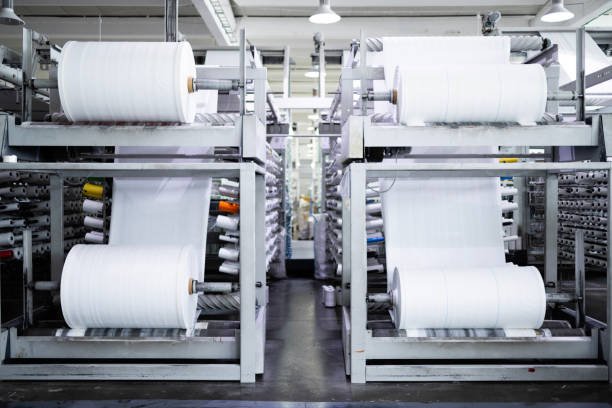
In this guide, you will learn how to start a nylon production business in Nigeria step by step. You will understand the machines needed, raw materials required, startup costs, factory setup, marketing strategies, and how to grow the business successfully.
Almost every business uses nylon daily. From sachet water factories and supermarkets to restaurants, pharmacies, boutiques, and roadside food sellers, the demand for nylon products keeps increasing every single year.
The good thing about starting a nylon production business in Nigeria is that you do not need to begin like a large factory immediately. Many successful nylon manufacturers started with one machine and expanded gradually as they gained more customers and profit.
Once you understand the production process and build the right customer network, the business can generate steady income for many years.
Step 1: Understand The Types of Nylon Products To Produce
Before you start a nylon production business in Nigeria, you need to understand the type of nylon products people use every day. This will help you know what to produce and who your customers will be. Different nylon products serve different businesses, so your choice will affect your profit and startup cost.
The most common type is pure water nylon. Sachet water companies buy these in very large quantities every day. Shopping bags are also in high demand because supermarkets, boutiques, pharmacies, and food vendors use them daily. Printed nylon bags are more expensive because businesses pay to print their brand name and logo on them.
Packaging nylon is used for wrapping products like bread, snacks, frozen foods, and other goods. Garbage bags are mostly used in homes, hotels, offices, and hospitals. Industrial nylon rolls are larger and are used by factories and manufacturing companies.
If you are starting small, pure water nylon and shopping bags are usually the best options because the demand is constant. Printed nylon bags are often more profitable because businesses are willing to pay extra for branding.
Step 2: Learn How The Nylon Production Business Works
The nylon production business is easier to understand than many people think. The main work is turning plastic raw materials into nylon through heat and machines. Once you understand the process, the business becomes easier to manage.
The first stage is buying raw materials like polyethylene resin. These materials look like small plastic pellets. The machine melts them under high temperature and turns them into soft plastic material. This process is called extrusion.
After melting, the machine blows air into the material to form a balloon-like nylon tube. The nylon then passes through rollers where it cools down. After that, the machine cuts and seals the nylon into different sizes depending on what you want to produce.
If customers want branded nylon, the printing machine adds logos, business names, or designs. The finished nylon is then packed into bundles and supplied to customers.
Most nylon factories in Nigeria work daily because demand is very high. Many factories operate both wholesale and custom production services to increase profit.
Step 3: Conduct Market Research
Market research simply means finding out if people around you will buy your nylon products before you invest your money. This step is very important because it helps you avoid producing nylon nobody needs.
Your customers can include sachet water factories, supermarkets, restaurants, pharmacies, boutiques, and roadside food sellers. Many businesses use nylon every single day, which is why the nylon production business in Nigeria continues to grow.
Start by visiting markets and businesses in your area. Ask shop owners where they buy their nylon and what problems they face with suppliers. This will help you understand pricing, quality demand, and supply opportunities.
You should also study your competitors. Find out the types of nylon they produce, their prices, and how they attract customers. This will help you know how to stand out.
States like Lagos, Anambra, Kano, Oyo, Rivers, and Abuja usually have strong demand because of their large population and active business environment. Areas with many factories and busy markets are often better for nylon production businesses.
Step 4: Choose Your Production Scale
Your production scale depends on your budget, space, and business goals. Some people start small and grow gradually, while others invest heavily from the beginning.
A small-scale nylon production business is good for beginners with limited capital. You may start with one or two machines and focus on products like shopping bags or pure water nylon. This setup is easier to manage and requires fewer workers.
A medium-scale nylon factory can handle larger orders and serve more customers. At this level, you may own multiple machines and produce different nylon products at the same time.
Large-scale nylon manufacturing plants require serious investment. These factories supply distributors, supermarkets, factories, and large companies across different states.
You can start from a small warehouse or shop if your machines are not too large. However, a proper factory setup is better for long-term growth. Even a small nylon production business needs enough space for machines, raw materials, finished products, and movement inside the factory.
Step 5: Register Your Nylon Production Business In Nigeria
Registering your nylon production business makes your company look serious and trustworthy. Many large customers and companies prefer working with registered businesses because it gives them confidence.
The first step is registering your business with the Corporate Affairs Commission (CAC). You can register as a business name if you are starting small. If you plan to grow bigger or work with large companies, a limited company is usually better.
A business name is cheaper and easier to register. A limited company gives your business a more professional image and can help when applying for loans or contracts.
Depending on your production size, you may also need to follow some environmental and safety regulations. Nylon production involves heat, smoke, and industrial activities, so your location must be suitable for factory operations.
You should also understand local taxes and permits in your area. Registering properly will help you avoid problems from government agencies later.
Step 6: Raise Startup Capital
One major reason many people do not start a nylon production business in Nigeria is fear of capital. The truth is that you can start small and expand gradually as your customer base grows.
A small-scale setup may cost several millions of naira depending on the machines and power supply you choose. Medium-scale factories require more machines, more workers, and larger space. Large-scale nylon manufacturing plants can cost tens or even hundreds of millions of naira.
Your biggest expenses will usually be machines, generator, raw materials, rent, and electricity. Power is very important because nylon machines consume a lot of energy during production.
You can raise capital through personal savings, cooperative societies, family support, or business partners. Some entrepreneurs also apply for Bank of Industry (BOI) loans or other SME funding programs in Nigeria.
If you cannot afford a full factory immediately, you can start with one machine and grow gradually. Many successful nylon manufacturers in Nigeria started small before expanding into bigger factories.
Also Read: 5 Most Profitable Food Businesses In Nigeria In 2026
Step 7: Buy Nylon Production Machines
Machines are the heart of your nylon production business. The quality of your machines will affect your production speed, nylon quality, electricity usage, and profit. This is why you must buy carefully.
The most important machine is the nylon blowing machine. This machine melts the raw materials and turns them into nylon. If you want to print logos or business names on nylon, you will also need a printing machine. A cutting and sealing machine helps cut the nylon into the correct size and seals the edges properly.
Many nylon factories also use recycling machines. These machines help you reuse nylon waste instead of throwing it away. This reduces waste and saves money. Because electricity supply in Nigeria is unstable, a strong generator is also very important.
Small nylon production machines in Nigeria can cost several millions of naira, while larger industrial machines cost much more. Nigerian-made machines are usually cheaper and easier to repair. Imported machines often work faster and produce better finishing, but they cost more.
You can buy nylon production machines in Lagos, Aba, Onitsha, Kano, and other major industrial markets in Nigeria. Always test machines before payment.
Step 8: Buy Raw Materials
Raw materials are what you use to produce nylon. Without quality raw materials, your nylon may tear easily, look rough, or fail to satisfy customers. This is why choosing good materials is very important.
The main raw materials used in nylon production are HDPE and LDPE resins. These are plastic pellets that are melted inside the machine. HDPE is stronger and is mostly used for shopping bags and pure water nylon. LDPE is softer and is often used for flexible packaging nylon.
Color masterbatch is used to add colors to nylon products. Calcium carbonate helps reduce production cost and can improve thickness. Printing ink is needed if you want to produce branded or customized nylon bags.
You will also need packaging materials for wrapping finished nylon before delivery. The cost of raw materials changes often because many are imported and affected by dollar exchange rates in Nigeria.
Most nylon manufacturers buy raw materials from suppliers in Lagos, Onitsha, Aba, and industrial markets around the country. Always buy from trusted suppliers to avoid fake or low-quality materials.
Step 9: Set Up Your Production Factory
Your factory setup will affect your productivity, worker safety, and machine performance. Even if you are starting small, your production space should be clean, organized, and easy to work in.
You need enough space for machines, raw materials, finished products, and movement inside the factory. Nylon production machines generate heat, so proper ventilation is very important. Fresh air helps reduce excessive heat and creates a better working environment.
Power supply is another major factor. Nylon machines consume a lot of electricity, which is why many factory owners use industrial generators. Some also combine generators with inverters or solar systems to reduce fuel costs.
Safety should never be ignored. Workers should understand how to operate machines carefully to avoid injuries. Fire extinguishers, proper wiring, and protective equipment are important in every nylon production factory.
You may also need workers to operate machines, handle packaging, supervise production, and manage deliveries. As your nylon production business grows, your workforce can expand gradually.
Step 10: Start Production
Once your machines and raw materials are ready, production can begin. The process is straightforward when your machines are properly installed and workers understand their roles.
The machine first melts the plastic raw materials under high temperature. The melted material is then shaped into nylon through the blowing process. After cooling, the nylon passes through rollers before it is cut and sealed into the required size.
If customers request branded nylon, the printing machine adds logos, names, or designs before packaging. The finished nylon is then arranged in bundles for delivery or storage.
Quality control is very important in nylon production. Weak nylon, rough finishing, or poor sealing can make customers stop buying from you. Always check thickness, strength, neatness, and printing quality before supplying customers.
Many beginners waste materials because of poor machine settings or inexperienced workers. Regular machine maintenance and proper staff training can reduce waste and increase profit. The less waste you produce, the more money you save.
Step 11: Brand and Package Your Nylon Products
Branding helps your nylon production business look professional and different from competitors. Many businesses now prefer customized nylon because it promotes their brand and attracts customers.
Printed nylon bags usually generate more profit than plain nylon. Supermarkets, pharmacies, restaurants, boutiques, and food vendors often want their business name and logo printed on their nylon bags. This allows you to charge more for your services.
Your nylon packaging should also look neat and organized. Well-packaged products create a better impression and make customers trust your business more. Dirty or rough packaging can reduce customer confidence.
If you want to attract corporate customers, focus on quality and consistency. Companies want suppliers who can deliver the same quality every time without delay. Fast delivery and clean finishing can help you win long-term contracts.
You should also create a business name, logo, and phone number that customers can easily remember. Simple branding can make your nylon production business grow faster than many people expect.
Step 12: Market and Sell Your Nylon Products
No matter how good your nylon products are, people must know your business exists before you can make sales. Marketing is what brings customers and steady income into your nylon production business.
One of the fastest ways to get customers is direct factory marketing. Visit supermarkets, sachet water factories, pharmacies, restaurants, and shops around you. Show them samples and explain why your nylon is better.
Distributor networks can also help you grow quickly. Instead of waiting for small buyers one by one, distributors buy in bulk and resell to different businesses. This can increase your daily sales.
Social media is also useful for marketing nylon products in Nigeria. Post clear pictures and videos of your products on Facebook, Instagram, TikTok, and WhatsApp Business. Many businesses now search online for suppliers.
Your pricing strategy matters a lot. If your price is too high, customers may leave. If it is too low, your profit will suffer. Focus on fair pricing, good quality, and reliable supply. Businesses are more likely to stay with suppliers they can trust consistently.
Conclusion
One major shift already happening in Nigeria is the growing demand for custom packaging. More small businesses now want branded nylon bags because social media marketing has changed how businesses attract customers. A food vendor that prints a business name and phone number on nylon is indirectly advertising every time a customer walks away with that bag.
There is also a hidden advantage many new entrepreneurs ignore: location. Some of the most successful nylon manufacturers are not necessarily the biggest factories. They simply position themselves close to constant buyers like markets, industrial clusters, sachet water factories, and busy commercial areas. In this business, being closer to daily demand can sometimes matter more than owning the biggest machines.
The entrepreneurs who will dominate this industry in the coming years are the ones who understand that nylon production is no longer just about plastic. It is about packaging, branding, distribution, speed, and solving everyday business needs through nylon production.
