
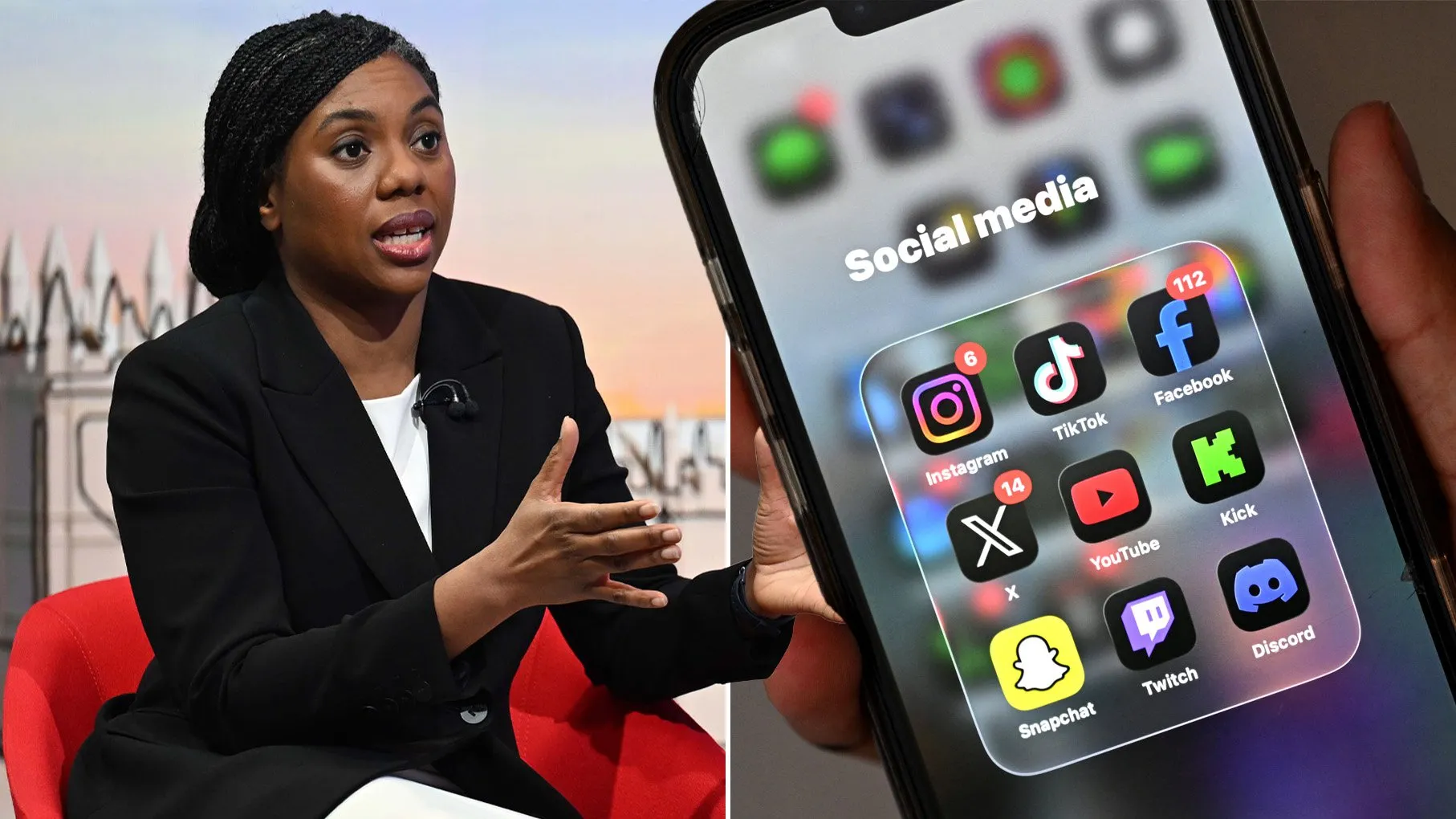
The UK government is preparing one of the biggest changes to internet rules for children in recent years. Prime Minister Sir Keir Starmer is expected to announce new restrictions that could stop children under the age of 16 from using some of the world’s most popular social media platforms.
The move comes after months of public debate about children’s safety online. Many parents, teachers, health experts and lawmakers have raised concerns about how social media affects young people. Issues such as cyberbullying, harmful content, online predators, self-harm content and excessive screen time have become major concerns across the country.
While supporters believe the new rules will help protect children, critics argue that a ban could create new problems. As the UK prepares to reveal its final decision, many families and technology companies are watching closely.
Why the UK Wants to Restrict Social Media for Children
The government’s decision follows growing concerns about the amount of time children spend online and the content they are exposed to.
According to data from Ofcom, social media use among children is extremely high. Around 95% of children aged 13 to 15 use social media, while almost all teenagers in that age group have their own social media profiles. Even younger children are active online, with many using social media long before reaching the minimum age required by most platforms.
Experts have repeatedly warned that children can be exposed to harmful material online. This includes content related to self-harm, suicide, eating disorders, violent videos, pornography and unrealistic body image standards. There are also concerns about cyberbullying, harassment and online scams targeting young users.
The government says existing online safety measures have not gone far enough and that stronger action is needed to protect children.
Which Social Media Platforms Could Be Affected?
Reports suggest that the UK could follow a similar approach to Australia, which already has an under-16 social media ban.
If that happens, children under 16 could lose access to major platforms including:
- TikTok
- Snapchat
- YouTube
- X
- Threads
- Twitch
- Kick
These platforms are popular among teenagers and younger users. Some of them have already introduced parental controls and safety tools, but critics say those measures have not fully solved the problem.
The final list of affected platforms has not yet been officially confirmed. Government officials are expected to provide more details after the announcement.
What New Rules Are Being Proposed?
The proposed changes go beyond simply blocking access to certain apps.
According to reports, children under 16 may be completely banned from using platforms classified as “high-risk” social media services. The government has not yet explained exactly how it will decide which platforms fall into this category.
For platforms considered safer, younger users could still face strict restrictions. Some of the reported measures include:
- No disappearing messages
- No private chats with adult strangers
- No livestreaming features
- Stronger age verification checks
- Limits on late-night social media use
The government is also reportedly planning restrictions on artificial intelligence chatbots. Users under 18 could be banned from accessing romantic or sexual AI chatbots because of concerns about their impact on young people.
These measures are designed to reduce risks while still allowing children access to some online services.
What Did the Public Consultation Find?
Before moving forward with the new rules, the government launched a nationwide consultation called “Growing up in the online world.”
The consultation received more than 116,000 responses from members of the public.
According to government figures, about 90% of parents who responded supported a social media ban for children under 16. More than 83% said they believed the risks of social media outweighed its benefits for young people.
These results gave the government strong political support to move ahead with tougher restrictions.
Prime Minister Keir Starmer has said that parents feel they are fighting a difficult battle against large technology companies and that stronger government action is needed.
Why Some People Support the Ban
Supporters of the proposal believe social media companies have had many years to improve child safety but have not done enough.
They argue that many platforms are designed to keep users engaged for as long as possible. Features such as endless scrolling, autoplay videos and constant notifications can encourage children to spend hours online.
Many parents also worry about the mental health effects of social media. Studies have linked excessive social media use with anxiety, depression, low self-esteem and poor sleep among some young people.
Supporters believe that reducing access to these platforms could improve children’s wellbeing, help them focus more on school and encourage more face-to-face social interaction.
For them, the proposed restrictions are a necessary step to protect children from risks that continue to grow as technology evolves.
Why Critics Oppose the Plan
Not everyone agrees that banning social media is the best solution.
Some child safety experts argue that a ban may create a false sense of security. They believe children could simply move to less regulated websites, making it harder to monitor their online activities.
Others point out that social media can provide important benefits. Many young people use these platforms to learn new skills, keep in touch with friends and find supportive communities.
Critics also worry about privacy concerns. Stronger age verification systems may require platforms to collect more personal information from users. This raises questions about how that data will be stored and protected.
There are also concerns that some technology companies could challenge the government’s decision in court if certain platforms are banned while others are allowed to operate.
How Will the Ban Be Enforced?
One of the biggest challenges will be enforcement.
Most social media platforms already require users to meet minimum age requirements. However, many children simply enter a false birth date when creating accounts.
To make the new rules effective, companies may need to introduce stronger age verification systems. This could involve identity checks, facial age estimation technology or other verification methods.
Technology companies may be required to prove they are actively preventing underage users from accessing restricted services.
The exact enforcement measures are expected to become clearer after the government publishes the full details of the policy.
What Happens Next?
Prime Minister Keir Starmer is expected to officially announce the government’s plans shortly.
After the announcement, officials will release more details about which platforms will be affected, how age verification will work and when the new rules will take effect.
Some parts of the policy may be implemented using existing powers under the UK’s Online Safety Act. Other measures may require new laws to be passed by Parliament.
Technology companies will likely be given time to adjust their systems and comply with the new requirements before full enforcement begins.
The coming months will determine whether the UK becomes one of the world’s strictest countries when it comes to children’s access to social media.
Also Read
What It Really Means to Be a Trillionaire, And How Elon Musk Got There (An Indepth Dive)
The Bottom Line
The UK’s move to block under-16s from social media platforms could become a major turning point in the global debate about children’s online safety. Governments around the world are watching closely as countries search for ways to balance the benefits of technology with the need to protect young people from online harm.
Whether the policy succeeds or faces resistance, one thing is already clear. The era of unrestricted social media access for children is coming under increasing pressure. As concerns about mental health, harmful content and online addiction continue to grow, more governments may soon consider similar measures, making this a debate that extends far beyond the United Kingdom.
