
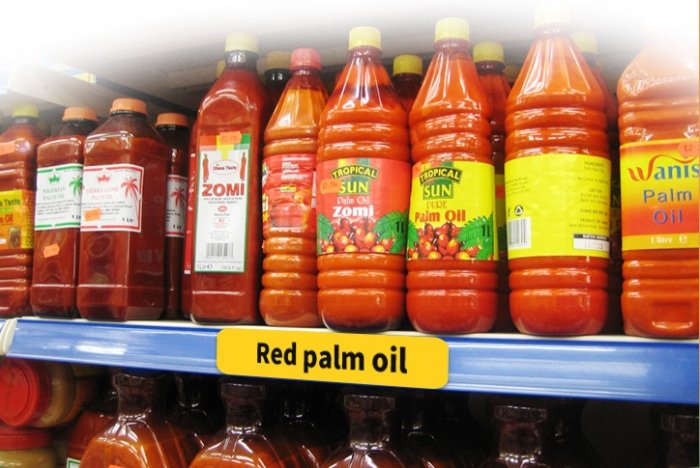
Palm oil is one of the most consumed food products in Nigeria. Almost every home, restaurant, and food business uses it daily. Because of this steady demand, many smart traders have discovered that the palm oil storage/wholesale business can be very profitable. The idea is to buy palm oil when the price is low, store it safely, and sell it later when the price rises. That small price difference is where the profit comes from.
In this guide, you will learn how to start a palm oil storage/wholesale business, the capital you may need, where to buy palm oil at cheaper prices, how to store it safely for months, and how to sell at the right time for maximum profit. By the end of this post, you will clearly understand how this business works and how you can start it step by step.
Step 1: Understand How the Palm Oil Storage/Wholesale Business Works
Palm oil storage or wholesale business means you buy palm oil in large quantity when the price is low, keep it safely, then sell later when the price goes up. That is the main idea.
This is different from retail selling. A retailer sells in small portions to final consumers every day. A wholesaler buys in bulk and sells in larger quantities to retailers, food sellers, restaurants, and other traders.
The business works well because palm oil prices do not stay the same all year. During the harvest season, supply is plenty, so prices are lower. During the off-season, supply drops, so prices rise.
Your profit comes from that price difference. You buy cheap, store well, and sell higher. That is why storage is a serious business strategy, not just ordinary buying and selling.
Step 2: Research the Palm Oil Market in Nigeria
Before you put money into this business, study the market first. You need to know where palm oil is cheap, where demand is high, and who will buy from you.
Palm oil is used in many homes, restaurants, hotels, food factories, and local markets in Nigeria. That steady demand is one reason the business can be profitable.
Prices are usually lower during the peak production season and higher during the off-season. So your market research should focus on timing. Find out the best months to buy and the best months to sell.
You also need to know your buyers. Your target customers may include market women, food vendors, caterers, supermarkets, and bulk resellers.
When you understand the market well, you reduce mistakes and make better buying and selling decisions.
Step 3: Calculate the Capital Required to Start
You must know how much money you need before you start. This helps you avoid stopping halfway.
Your capital depends on how much palm oil you want to buy. The biggest cost is the oil itself. Then add the cost of storage containers like drums, kegs, or tanks. You should also include transport, loading, offloading, rent, and small labour costs.
If you are starting small, you can begin with a few drums. If you have more money, you can store much more and aim for bigger profit.
Do not use all your money to buy only palm oil. Keep some cash aside for movement, emergencies, and price changes.
A smart budget makes the business easier to manage. It also helps you know the profit you need before selling.
Step 4: Choose the Right Location for Your Storage
Where you store your palm oil matters a lot. A bad location can damage your product, increase transport cost, and make it harder for buyers to reach you.
Choose a place that is clean, dry, and secure. The storage area should not be too hot, and it should not be exposed to too much direct sunlight. Good ventilation helps keep the oil in better condition for a longer time.
Your location should also be easy for vehicles to enter and leave. If trucks, keke, or buyers cannot access the place easily, movement becomes stressful and expensive.
You do not need a big warehouse at the beginning. A small shop, store, or secure rented space can work if it is suitable.
A good storage location protects your product and supports smooth business operations.
Step 5: Register Your Palm Oil Business
You can start small without registration, but registration is a wise move if you want to grow. It gives your business structure and makes you look serious.
Registering your palm oil business with CAC helps you create a proper business name. That name can be used for your bank account, invoices, supplier dealings, and customer trust.
Many people feel more comfortable buying in bulk from a registered business than from an unregistered trader. It can also help you when you want to supply companies, supermarkets, or large buyers.
Choose a simple business name that is easy to remember and fits your line of business.
Registration will not automatically make you profitable, but it gives your palm oil wholesale business more credibility. That can open doors that informal traders may not easily access.
Related: How To Stay Compliant With Nigerian Business Laws And Regulations
Step 6: Buy Palm Oil Directly from Producing Areas
One of the best ways to make more profit is to buy from palm oil producing areas instead of buying from middlemen in city markets.
States in the South-South and South-East are known for palm oil production. Buying from these areas can help you get better prices, especially during the peak season when supply is high.
Try to buy when production is plenty. That is usually when prices are lower. If you wait until shortage starts, your cost price may already be too high.
Build relationships with trusted farmers, processors, or mill owners. Do not rush into buying from just anyone. Check the quality of the oil, the cleanliness, and the honesty of the seller.
Direct sourcing helps you save money, control quality better, and improve your profit margin.
Step 7: Get Proper Storage Containers
Your storage container is not something to overlook. If the container is poor, dirty, or not well sealed, your palm oil can lose quality and buyers may reject it.
Use clean drums, food-grade tanks, kegs, or jerrycans meant for storing liquid products. Avoid containers that once carried harmful chemicals or anything that can affect the smell, taste, or safety of the oil.
Before use, wash and dry every container properly. Make sure it is tightly covered to reduce contamination from dust, water, or air.
It is also smart to label your containers. You can note the date you bought the oil, the source, and the quantity inside. This helps you track your stock well.
Good storage containers protect your palm oil and protect your money too.
Step 8: Store the Palm Oil Properly for Long Periods
Buying cheap is not enough. You must also store the palm oil well so it still looks and smells good when it is time to sell.
Keep the containers in a cool, dry place away from direct sunlight and excess heat. Too much heat can affect the quality over time. Make sure every container is tightly sealed so dirt, water, and unwanted smell do not enter.
Do not leave the containers carelessly on wet ground. Arrange them properly and keep the storage area clean.
Check your stock from time to time. Look out for leakage, dirt, bad smell, or anything unusual. Small problems are easier to fix when you notice them early.
Good storage is what makes the palm oil storage business profitable. Poor storage can turn expected profit into loss.
Step 9: Build a Network of Reliable Buyers
You should not wait until your palm oil is already in storage before looking for buyers. Start building buyer relationships early.
Your buyers may include retailers in local markets, restaurant owners, caterers, food vendors, supermarkets, and bulk resellers in towns and cities. Some may buy regularly, while some may buy only when prices rise sharply.
Talk to people in the trade. Let them know what you sell and the quantity you can supply. Keep their contacts and stay in touch. A buyer network gives you confidence because you already know who to call when it is time to sell.
Be known for good quality and honest measurement. That is how repeat customers come.
In the palm oil wholesale business, strong buyer relationships can be just as important as having enough stock.
Step 10: Sell When Palm Oil Prices Increase
This is the stage where your profit is made. The whole point of palm oil storage business is to sell when market prices rise.
You need to watch the market closely. Do not sell too early out of fear, and do not wait too long out of greed. The goal is to sell at a price that gives you a healthy profit after covering all your costs.
Compare the current market price with your buying price, transport cost, storage cost, and other expenses. That is how you know whether the timing is right.
Sell in bulk if possible. Bulk sales can move your stock faster and reduce the stress of selling little by little.
Good timing is what separates smart traders from struggling ones. In this business, knowing when to sell is just as important as knowing when to buy.
Conclusion
In Nigeria, palm oil production is highly seasonal. Data from agricultural commodity markets shows that prices often drop significantly during the main harvest period, usually between January and April, when supply floods the market. But between July and December, production reduces and prices can rise by 30% to 80% depending on the year, transport costs, and regional demand.
Serious wholesalers pay attention to these seasonal patterns months ahead, not when the price has already started rising.
Another insight many new entrepreneurs overlook is geographical price differences. Palm oil can sell far cheaper in producing states than in large cities like Lagos, Ibadan, Abuja, or Kano. Some successful traders increase profit simply by moving stock from production clusters to high-consumption urban markets where demand is stronger.
Finally, the long-term opportunity in this space goes beyond simple storage. As Nigeria’s population continues to grow and food demand increases, the palm oil supply chain will continue expanding into processing, bulk distribution, export trade, and industrial supply. Many of today’s large commodity traders started as small storage wholesalers.
