
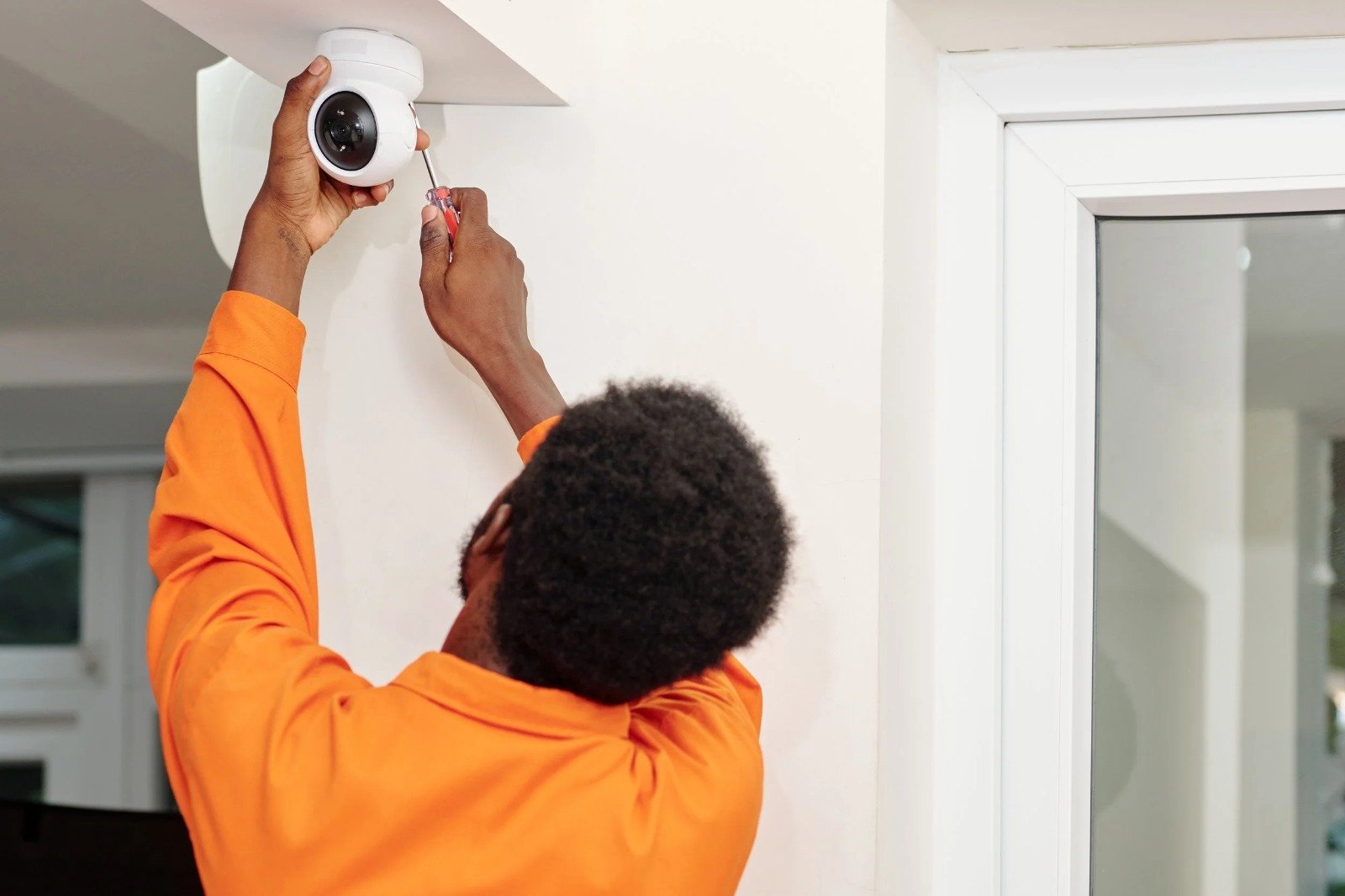
The CCTV and security camera business is one of the few technology businesses that combines strong demand with excellent earning potential. Every new house, office building, school, warehouse, supermarket, hotel, and event centre is a potential customer. As security concerns continue to increase across the country, the need for CCTV installation services is expected to grow even further in 2026 and beyond.
Whether you want to become a CCTV installer, start a CCTV sales and installation company, or build a full-scale security solutions business, this guide will show you exactly how to start a CCTV and security camera business in Nigeria. You will learn the skills you need, startup costs to expect, tools to buy, how to find customers, how to price your services, and how to grow your business into a trusted security brand.
Step 1: Understand the CCTV and Security Industry in Nigeria
Before you start a CCTV and security camera business in Nigeria, you need to understand what the business is all about. A CCTV business involves selling, installing, repairing, and maintaining security cameras for homes, offices, schools, shops, churches, and other properties.
The demand for CCTV cameras in Nigeria keeps growing every year. More people want to protect their homes, businesses, staff, customers, and valuable assets. Many property owners now see security cameras as a necessity rather than a luxury.
Your potential customers are everywhere. Homeowners, supermarkets, hotels, hospitals, schools, warehouses, banks, offices, religious centers, and government organizations all need CCTV systems.
The business can be highly profitable in 2026 because security concerns continue to increase across Nigeria. A single installation project can generate hundreds of thousands or even millions of naira depending on the size of the project. As long as people need security, there will always be demand for CCTV installation services.
Step 2: Choose Your CCTV Business Model
One mistake many beginners make is trying to do everything at once. Instead, decide exactly how you want to operate your CCTV business.
You can focus on CCTV sales only. This means buying cameras and security equipment from suppliers and selling them to customers at a profit. This model requires less technical skill but depends heavily on good marketing.
Another option is CCTV installation only. In this model, customers buy their own equipment while you charge for installation, setup, and configuration. Many technicians start this way because it requires less capital.
You can also combine sales and installation services. This is often the most profitable option because you earn from both equipment sales and installation charges.
As your business grows, you can add maintenance services, repairs, upgrades, remote monitoring, access control systems, smart home security solutions, and other advanced security services.
Step 3: Learn CCTV Installation and Security System Skills
The success of your CCTV business depends largely on your technical knowledge. Even if you plan to hire technicians later, you should understand how CCTV systems work.
A typical CCTV system consists of cameras, cables, a recording device, storage drives, power supplies, connectors, and a monitor or smartphone used for viewing footage. All these parts work together to record and display video.
You should also understand the difference between Analog and IP cameras. Analog cameras are usually cheaper and easier to install. IP cameras provide better image quality, advanced features, and remote access through the internet.
Learn how DVRs, NVRs, hard drives, routers, switches, and power systems work. You can acquire these skills through physical training centers, online courses, apprenticeships, or practical experience with experienced installers.
Step 4: Conduct Market Research and Choose Your Target Customers
Not every customer needs the same type of CCTV system. Understanding your target market will help you offer the right products and services.
Residential homes usually require a few cameras for gates, compounds, and entrances. Small businesses often need cameras to monitor customers, employees, and daily operations.
Schools, hospitals, hotels, churches, mosques, factories, and warehouses usually require larger installations with multiple cameras and advanced monitoring systems. These projects often generate higher profits.
Study your local area carefully. Find out where new buildings are being constructed, where businesses are opening, and where security concerns are common. These locations often provide the best opportunities for CCTV installers.
The more you understand your target customers, the easier it becomes to market your services and close sales.
Step 5: Write a CCTV Business Plan
A business plan helps you understand where your business is heading and how you plan to get there. It does not need to be complicated, especially when starting small.
Start by defining your business goals. Decide whether you want to serve residential clients, commercial clients, or both. Set clear targets for sales, installations, and revenue.
Next, estimate your startup costs. Include equipment, tools, transportation, registration fees, office expenses, marketing costs, and emergency funds.
You should also create a simple marketing plan showing how you will attract customers. Finally, include a growth plan explaining how you intend to expand your services, hire staff, and increase your customer base over time.
Step 6: Register Your CCTV Business in Nigeria
Registering your business gives customers confidence and helps you operate professionally. Many corporate organizations and government agencies prefer working with registered companies.
The first step is registering your business name with the Corporate Affairs Commission (CAC). This makes your business legally recognized in Nigeria.
After registration, open a business bank account using your registration documents. This helps you separate personal finances from business finances and makes your company appear more professional.
Depending on the type of projects you handle, some clients may request additional documents, tax records, or company profiles. Having your business properly registered makes it easier to secure larger contracts and partnerships.
Step 7: Calculate Startup Costs and Raise Capital
One of the biggest advantages of the CCTV business is that you can start small and grow gradually. The amount you need depends on the services you plan to offer.
A basic startup may require funds for training, registration, essential tools, transportation, marketing materials, and a few sample products. Many people start without keeping large amounts of inventory.
If you want to operate on a larger scale, you may need additional funds for office space, multiple tools, stock purchases, vehicles, and employee salaries.
You can raise capital through personal savings, family support, business partners, cooperative societies, loans, grants, or reinvesting profits from completed projects. Start with what you can afford and expand as your business grows.
Step 8: Buy Essential CCTV Installation Tools and Equipment
Professional tools help you work faster, safer, and more efficiently. Investing in quality equipment can improve your service delivery and reduce installation problems.
Some essential tools include ladders, drilling machines, screwdrivers, cable testers, crimping tools, pliers, measuring tapes, cable cutters, networking tools, and safety equipment.
You will also need installation accessories such as connectors, junction boxes, cable clips, power adapters, conduits, and mounting brackets. These items are frequently used during installations.
Avoid buying the cheapest tools available. Quality tools last longer, reduce breakdowns, and help you complete projects professionally. Reliable tools also improve customer confidence in your services.
Step 9: Find Reliable CCTV Camera Suppliers
Your suppliers can have a major impact on the success of your business. Good suppliers provide quality products, fair prices, warranty support, and consistent availability of stock.
Many CCTV installers buy from local distributors in major cities such as Lagos, Abuja, Port Harcourt, Onitsha, and Kano. Local suppliers often provide faster delivery and easier warranty support.
You may also choose to import CCTV equipment directly from manufacturers or international suppliers. This can increase profit margins but usually requires more capital and experience.
Focus on trusted CCTV brands with a good reputation for quality and durability. Always compare prices, warranty terms, product quality, and customer support before choosing a supplier. Building strong relationships with reliable suppliers can give your business a significant advantage.
Also Read: How To Start Content Marketing Business In Nigeria
Step 10: Set Up Your Pricing Structure
One of the fastest ways to lose money in the CCTV business is by charging the wrong price. Your pricing should cover the cost of equipment, labour, transportation, and still leave room for profit.
Start by knowing the current market prices of CCTV cameras, DVRs, NVRs, hard drives, cables, and other accessories. Suppliers may change prices regularly, so always confirm costs before sending quotations to customers.
Your installation fee should depend on the number of cameras, building size, cable distance, and complexity of the work. A simple home installation should not cost the same as a large office or warehouse project.
You can also earn recurring income through maintenance contracts and monitoring services. Finally, calculate your profit margin on every project before sending a quotation. Never guess your prices. Every project should make a profit after all expenses have been deducted.
Step 11: Build a Professional Brand
People are more likely to trust a CCTV company that looks professional. Even if you are just starting, your business should look organized and reliable.
Begin by choosing a simple business name that people can easily remember. Your business name should sound professional and relate to security, technology, surveillance, or protection.
Create a quality logo and use the same colours across your website, social media pages, invoices, business cards, and marketing materials. Consistency makes your brand look more established.
You should also prepare a company profile that explains your services, experience, and contact details. Use professional quotations and invoices for every project. These small details help customers take your CCTV business seriously and increase their confidence in your services.
Step 12: Create an Online Presence
Most customers search online before hiring a CCTV installer. If they cannot find your business online, they may choose a competitor instead.
Start by creating a professional website that explains your CCTV installation services, service locations, contact details, and previous projects. Your website should make it easy for visitors to request a quotation.
Next, create a Google Business Profile so your business can appear in Google Search and Google Maps. This can help local customers find you when searching for CCTV installation services in their area.
You should also create Facebook, Instagram, LinkedIn, and TikTok pages. Post photos and videos of completed projects regularly. Real project pictures help potential customers see your work and build trust before contacting you.
Step 13: Market Your CCTV and Security Camera Business
Even if you are highly skilled, customers will not hire you if they do not know your business exists. Marketing is what brings clients to your business.
Search engine optimization (SEO) can help your website appear when people search for CCTV installation services in Nigeria. This can generate leads without paying for advertisements every day.
You can also run Google Ads, Facebook Ads, and Instagram Ads to reach people who are actively looking for security solutions. Even a small advertising budget can bring quality leads when managed properly.
Do not ignore WhatsApp marketing, referrals, and partnerships. Builders, electricians, architects, and property managers often know people who need CCTV systems. Strong partnerships can bring a steady flow of installation projects throughout the year.
Step 14: Get Your First CCTV Installation Clients
Getting your first few clients is usually the hardest part of starting a CCTV business. The good news is that you do not need hundreds of customers to begin.
Start by telling friends, family members, neighbours, business owners, and people in your network about your services. Many successful installers got their first jobs from people they already knew.
You can also offer limited introductory discounts to attract your first customers. Another effective strategy is providing free security assessments where you inspect a property and recommend camera locations.
After every successful project, ask the customer for a testimonial and referral. Happy customers often recommend reliable installers to friends, family members, and business associates, helping you get more projects without spending heavily on advertising.
Step 15: Deliver Professional Installation Services
Your reputation depends on the quality of every installation. One poorly executed project can affect future referrals and customer trust.
Before starting any installation, inspect the property carefully. Identify vulnerable areas, entrances, exits, parking spaces, storage rooms, and other locations that require surveillance.
Plan camera placement properly. Cameras should cover important areas without leaving blind spots. Good positioning improves security and reduces the need for future adjustments.
After installation, test every camera, recording system, and viewing device. Make sure footage is clear and accessible. Finally, show the customer how to view recordings, use mobile access, and operate the system. A well-trained customer is more likely to be satisfied with your service.
Step 16: Offer CCTV Maintenance and Support Packages
Many CCTV installers focus only on new installations and ignore maintenance opportunities. This is a mistake because maintenance can provide steady income throughout the year.
Offer routine maintenance services to clean cameras, inspect cables, check storage systems, and ensure everything is functioning properly. Small issues can often be fixed before they become major problems.
You can also provide system upgrades when customers want additional cameras, larger storage capacity, better image quality, or remote viewing features.
Annual maintenance contracts are especially valuable because they create recurring revenue. Instead of relying only on new installations, you continue earning from existing customers while building stronger long-term relationships.
Step 17: Scale Your CCTV Business Across Nigeria
Once your business becomes stable, focus on growth. Scaling allows you to increase revenue without depending entirely on yourself.
The first step is hiring and training technicians who can handle installations professionally. As demand grows, you can build multiple installation teams to handle more projects simultaneously.
You should also expand into related services such as smart home security, access control systems, alarm systems, biometric devices, and remote monitoring solutions. These services can significantly increase your revenue.
As your reputation grows, pursue larger corporate and government contracts. Over time, you may establish branches in multiple cities and build a recognized CCTV and security company that serves customers across Nigeria.
Conclusion
Every new building being developed today is a potential security project tomorrow. The installers who build relationships with developers, architects, builders, facility managers, and estate companies today are often the ones who secure the largest contracts in the future.
The most successful CCTV business owners also understand that their real product is not a camera. Their real product is peace of mind. Customers are paying to feel safer, protect their investments, monitor operations, reduce losses, and gain better control over their properties. Once you understand this, your conversations with clients become less about equipment and more about solving security problems.
If you focus on building technical competence, maintaining a professional reputation, delivering excellent customer support, and creating long-term client relationships, you will be operating in an industry that is expected to remain relevant for many years.
