
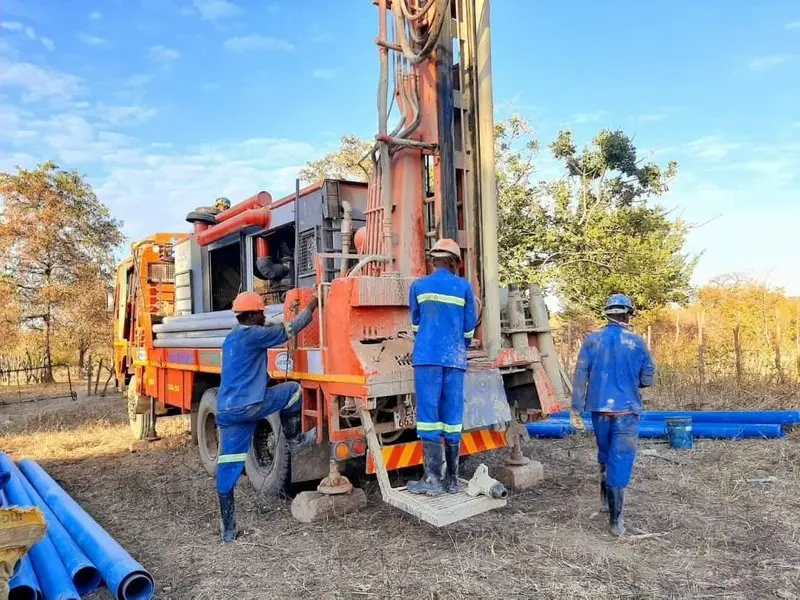
If you have been searching for how to start a borehole drilling business in Nigeria, this guide will walk you through everything in a simple and practical way. You will learn the startup costs, equipment needed, registration process, marketing strategies, challenges, and how successful borehole drilling companies make money in Nigeria.
Every day, more homes, schools, hotels, churches, estates, and companies are looking for reliable water supply because public water systems are failing in many areas. This rising demand has created a massive opportunity for smart entrepreneurs who want to build a profitable business in the water sector.
Starting a borehole drilling business in Nigeria is not just about owning a drilling machine. It is a serious business that involves technical knowledge, planning, equipment, marketing, and customer trust.
Step 1: Understand How the Borehole Drilling Business Works
Before you start a borehole drilling business in Nigeria, you need to understand how the industry works. Many people think borehole drilling is only about digging the ground and finding water. That is not true. The business involves water detection, drilling, installation, water treatment, and maintenance.
Borehole drilling is the process of drilling deep into the ground to reach underground water. Water treatment is different. It focuses on making the water clean and safe for use. Borehole sales usually involve selling already completed borehole systems or borehole equipment like pumps and tanks.
A borehole drilling company can make money in different ways. Some companies charge for drilling alone, while others charge for complete installation. Many also make extra money from water treatment, pump installation, maintenance, and repairs.
Your customers can include landlords, schools, churches, hotels, hospitals, factories, estates, and even government projects. In Nigeria, the demand for private water supply keeps increasing because public water supply is unreliable in many areas.
Step 2: Learn the Technical Side of Borehole Drilling
You do not need to become a professional engineer before starting a borehole drilling business in Nigeria. However, you must understand the basic technical side of the work. This helps you avoid costly mistakes and makes it easier to manage workers and clients properly.
One important part of the business is the hydrogeological survey. This is a test done before drilling starts. It helps experts know if water is available underground and how deep the drilling should go. Skipping this step can lead to dry boreholes and financial loss.
Different drilling methods are used in Nigeria depending on the soil and rock type. The most common methods are rotary drilling and down-the-hole hammer drilling. A good drilling company knows which method works best for each location.
You should also understand basic equipment like casings, submersible pumps, water tanks, and piping systems. Even if you hire experts, this knowledge helps you speak confidently with clients and workers. Training and experience are very important in this business because poor drilling can damage your reputation quickly.
Step 3: Decide the Type of Borehole Business You Want to Start
There are different ways to enter the borehole drilling business in Nigeria. The model you choose depends on your budget, experience, and long-term plans. Starting with the right structure can save you money and reduce pressure in the beginning.
One option is the subcontracting model. Here, you find clients and outsource the drilling work to bigger companies while you earn your commission. This model is good for beginners with small capital.
Another option is starting a full drilling company. This requires buying drilling machines, hiring workers, and handling projects directly. It costs more money, but the profit can also be much higher.
Some people focus on borehole consultancy. They help clients with surveys, planning, and supervision without owning drilling equipment. Others combine drilling with water treatment and pump installation to offer complete water solutions.
In Nigeria, the most profitable model is usually the full-service package. Clients prefer companies that can handle drilling, pumping, tank installation, and water treatment in one project.
Step 4: Conduct Market Research in Your Area
Market research helps you understand if the borehole drilling business will work well in your location. It also helps you avoid entering an area where competition is already too high. Many people skip this step and later struggle to get customers.
Start by checking areas with poor public water supply. Places with growing populations, new housing estates, and developing communities usually have high demand for boreholes. In many parts of Nigeria, people now prefer private water systems because government water supply is unreliable.
You should also study other borehole drilling companies around you. Find out how much they charge, the services they offer, and what customers complain about. This gives you an opportunity to offer something better.
Pay attention to customer problems. Some clients complain about failed boreholes, poor water quality, or dishonest workers. If your business can solve these problems, people will trust your brand faster. Good market research will help you position your borehole drilling business properly and attract steady customers.
Step 5: Create a Business Plan
A business plan gives your borehole drilling business direction. It helps you understand how much money you need, how much you can make, and how you plan to grow. Without a proper plan, it becomes easier to waste money and make poor decisions.
Start with your startup budget. Include the cost of drilling machines, pipes, pumps, fuel, transportation, worker salaries, and office setup. Even if you are starting small, you should know your expected expenses clearly.
You should also estimate your possible income. Find out how much borehole drilling companies charge in your area and how many projects you can handle monthly. This helps you calculate your expected profit.
Your business plan should also include operational costs like machine maintenance, diesel, repairs, and marketing. Set a pricing structure that covers your expenses while still giving you profit.
Finally, include a growth plan. Think about how you want the business to expand in the next few years. This could include buying more machines, entering new states, or adding water treatment services.
Step 6: Register Your Borehole Drilling Business
Registering your borehole drilling business makes your company look professional and trustworthy. Many clients, especially companies and government agencies, prefer working with registered businesses. It also helps you open a corporate bank account and apply for contracts legally.
The first step is registering your business with the Corporate Affairs Commission (CAC). You can register as a business name or a limited company depending on your budget and plans. A limited company usually looks more professional for large projects.
You may also need permits or environmental approvals depending on your state. Some locations have rules guiding water drilling activities to prevent environmental damage and illegal drilling.
It is also important to follow safety and quality standards. This is where agencies connected to environmental regulation and product standards may become relevant. Proper compliance helps you avoid legal problems later.
Insurance is another important part of the business. Borehole drilling involves heavy machines, workers, and risky field operations. Good insurance can protect your business from accidents, equipment damage, and unexpected losses.
Step 7: Raise Capital for the Business
Starting a borehole drilling business in Nigeria requires serious capital, especially if you want to own drilling machines. In 2026, a small setup can cost tens of millions of naira, while a fully equipped company may require much more. The exact amount depends on the type of equipment and scale of operation.
Self-funding is the safest option because you remain in full control of the business. If you do not have enough money, you can start small by subcontracting projects first. This helps you build experience and save profit gradually.
Loans can help you grow faster, but they also come with pressure. Make sure you understand the repayment terms before borrowing money. Investors are another option if you have a strong business plan and clear market opportunity.
You can also lease drilling equipment instead of buying immediately. Some people join cooperatives or apply for government business support programs to raise startup capital. This reduces financial pressure in the early stage of the business.
Also Read: How To Pay Yourself As A Business Owner In Nigeria
Step 8: Buy Borehole Drilling Equipment
Your equipment is one of the most important parts of your borehole drilling business. The quality of your machines can affect your speed, work quality, and reputation. Buying the wrong equipment can lead to constant breakdowns and loss of customers.
The main machine you need is the borehole drilling rig. You will also need compressors, drilling pipes, mud pumps, generators, water pumps, and casing materials. Support vehicles like trucks are important for moving machines and workers to project sites.
The cost of borehole drilling machines in Nigeria depends on size, capacity, and condition. New machines are more expensive but usually have fewer problems. Fairly used machines are cheaper, but you must inspect them properly before buying.
Buy equipment from trusted dealers with good reviews and technical support. Some drilling companies in Nigeria also sell fairly used machines at lower prices. Always focus on durability and performance instead of choosing the cheapest option available.
Step 9: Hire and Train Workers
You cannot run a successful borehole drilling business alone. You need skilled workers who understand how drilling operations work. The quality of your team will affect the quality of your projects.
Some important workers include drillers, welders, technicians, machine operators, and site assistants. Drillers handle the actual drilling process, while welders help with metal repairs and fabrication. Technicians maintain the machines and fix mechanical problems when they happen.
Safety training is very important because borehole drilling involves heavy equipment and risky environments. Workers should know how to handle machines safely and avoid accidents on site. One serious accident can damage your company’s reputation and finances.
You should also learn how to manage workers properly. Pay salaries on time, communicate clearly, and maintain discipline at project sites. A well-managed team works faster, delivers better results, and helps your business grow more smoothly.
Step 10: Set Up Operations and Logistics
Your operations system determines how smoothly your borehole drilling business runs. Without proper planning, you may face delays, equipment damage, and unnecessary expenses. Good logistics help you complete projects faster and satisfy customers.
Start by choosing a good operational base. The location should have enough space for machines, tools, pipes, and vehicles. It should also be easy for trucks and workers to move in and out without difficulty.
Transportation is another major part of the business. Borehole drilling machines are heavy, so you need reliable trucks or carriers for movement. Poor transportation planning can delay projects and increase fuel costs.
Fuel and machine maintenance should also be planned properly. Drilling machines consume a lot of diesel, and regular servicing helps prevent breakdowns. Keep proper records for projects, repairs, and expenses so you can manage operations efficiently and avoid confusion.
Step 11: Set Your Pricing Strategy
Setting the right price is very important in the borehole drilling business. If your price is too high, customers may avoid you. If it is too low, you may struggle to make profit or even run at a loss.
The cost of borehole drilling in Nigeria depends on location, depth, soil condition, equipment used, and water availability. Some areas require deeper drilling because water is far underground. Difficult terrains also increase operational costs.
Residential projects are usually smaller and cheaper than commercial projects. Hotels, factories, estates, and schools often require larger water systems and more powerful equipment. This naturally increases the project price.
Do not copy competitors blindly. Calculate your fuel cost, worker salaries, machine maintenance, transportation, and other expenses before setting your price. A good pricing strategy allows you to make profit while still remaining competitive in the market.
Step 12: Market Your Borehole Drilling Business
No matter how good your work is, people need to know your business exists. Marketing helps you attract customers and build trust in your brand. In Nigeria, many borehole drilling companies get jobs mainly through visibility and referrals.
Start by creating a professional business name, logo, and social media presence. Your company should look serious and trustworthy online. Many clients check businesses online before making decisions.
Google Business Profile can help local customers find your borehole drilling business easily. Facebook, Instagram, and WhatsApp are also powerful for promoting your services. Share pictures and videos of completed projects because people trust visible results.
You can also run Google Ads to target people searching for borehole services in Nigeria. Build relationships with builders, engineers, estate developers, and plumbers because they can refer clients to you regularly. Strong partnerships can bring steady projects without spending too much on advertising.
Step 13: Deliver High-Quality Borehole Projects
The success of your borehole drilling business depends heavily on the quality of your work. One successful project can bring many referrals, while one failed project can damage your reputation badly. Clients want reliable water supply, not excuses.
Always conduct a proper site survey before drilling starts. This helps reduce the risk of dry boreholes and prevents unnecessary mistakes. Skipping surveys to save money can lead to bigger losses later.
Good communication with clients is also important. Explain the drilling process, possible challenges, and expected results clearly. Customers feel more comfortable when they understand what is happening on their project.
Focus on quality at every stage of the work. Use strong materials, install equipment correctly, and test the water properly before handing over the project. When people see consistent results from your borehole drilling business, they will recommend you to others without hesitation.
Conclusion
One important reality many people ignore is that future profits in this industry may not come mainly from drilling itself. The real long-term money is gradually shifting toward maintenance contracts, industrial water systems, solar-powered pumping systems, water recycling support, and estate-wide water management. Many drilling companies focus only on getting new customers, while smart operators are building recurring income from servicing existing boreholes every few months.
Another major opportunity is data. Borehole drilling companies that properly document soil conditions, water depths, successful drilling zones, and underground water patterns over time will become more valuable than companies that only own machines. In some developed markets, underground water data itself has become a commercial asset because it reduces drilling risk and improves project success rates.
The truth is that many people will enter this industry because they see quick money, but the companies that will dominate the next 10 years are the ones that combine technical knowledge, strong reputation, operational structure, and long-term customer relationships.
If you approach it properly, a borehole drilling business can grow from a simple drilling operation into a powerful infrastructure and water solutions company.
