
How to start a poultry farm is one of the most searched questions right now, and for good reason. Poultry farming is one of the easiest agribusinesses you can start, even with small capital. People eat chicken and eggs every day, which means there is always demand.
Many people rush into poultry farming in Nigeria without proper knowledge. They lose birds, waste money on feed, and give up too early. Not because the business is bad, but because they started the wrong way.
This guide will show you exactly how to start a poultry farm in Nigeria step by step. You will learn what to do first, what to avoid, and how to set up your farm the right way from day one.
Step 1: Decide the Type of Poultry Farming You Want to Start
Before you spend any money, decide the kind of poultry farm you want to run. This will shape your cost, daily work, and profit.
Broilers are raised for meat. They grow fast and are usually sold within a few weeks. Layers are raised for eggs. They take longer to mature, but they can give you steady income for a long time. Cockerels are male birds that are also raised for meat, but they grow slower than broilers.
If you want faster turnover, broilers may suit you better. If you want regular daily or weekly income, layers may be the better option.
Do not start poultry farming in Nigeria without making this decision first. It helps you plan your housing, feeding, vaccination, and market the right way.
Step 2: Write a Simple Poultry Business Plan
You do not need a complicated document. What you need is a clear plan that shows what you want to do and how you will do it.
Start by writing down the number of birds you want to begin with. Then estimate your startup cost. Include land or rent, housing, chicks, feed, equipment, drugs, and labour. After that, define your target market. Ask yourself who will buy from you. It could be households, restaurants, hotels, traders, or retailers.
Lastly, write your profit expectation. Be realistic. Poultry farming can be profitable, but only when you manage cost well.
A simple poultry business plan keeps you focused. It also helps you avoid waste, track your progress, and make better decisions as your poultry farm grows.
Step 3: Choose a Good Location for Your Poultry Farm
Your location can affect the success of your poultry farm more than many people think. A bad location can create health, cost, and security problems.
Choose a place that is not too close to crowded residential areas. Poultry birds produce smell, waste, and noise, so space is important. You also need good access to clean water because birds drink a lot and the farm must be cleaned often. Stable electricity is useful too, especially if you are brooding chicks or using equipment.
Security also matters. Your birds, feed, and equipment can be stolen if the area is not safe. Easy road access is another plus because it helps you bring in supplies and take products to market.
A good location makes poultry farming in Nigeria easier, safer, and more profitable.
Step 4: Set Up Your Poultry Housing (Poultry Pen)
Your poultry housing must keep your birds safe, healthy, and comfortable. A poor pen can lead to disease, stress, and death.
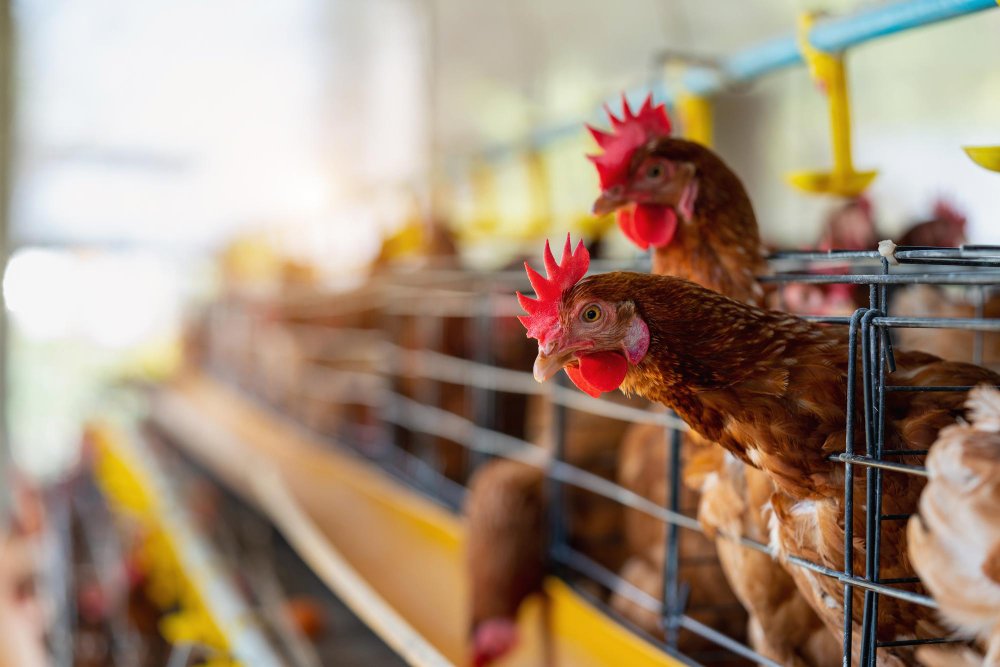
The two common systems are the deep litter system and the battery cage system. Deep litter means the birds stay on the floor with materials like wood shavings. It is common for broilers and is usually cheaper to start. Battery cages are mostly used for layers. They make egg collection easier, but they cost more to set up.
Make sure the pen has enough ventilation so fresh air can enter freely. The birds also need enough space. Overcrowding can cause sickness, injury, and poor growth.
Build within your budget, but do not cut corners on airflow, cleanliness, and structure. Good poultry housing gives your farm a strong foundation.
Step 5: Buy Healthy Day-Old Chicks
The quality of your chicks can determine the success of your poultry farm from day one. If you start with weak chicks, you may struggle all through.
Buy from trusted hatcheries or reputable poultry suppliers in Nigeria. Do not buy just because the price is cheap. Healthy day-old chicks should be active, bright, and free from obvious injury. Their eyes should look clear, and they should not appear weak or dull.
Ask questions before buying. Find out the breed, vaccination history, and source. Make sure the chicks were transported properly too, because poor handling can affect their health.
It is better to buy fewer healthy chicks than many weak ones. Good chicks grow better, respond well to feed, and reduce your chances of early losses in poultry farming in Nigeria.
Also Read: How To Use Crowdfunding Platforms To Raise Capital In Nigeria
Step 6: Get the Right Poultry Equipment
You need the right equipment before your birds arrive. This helps you avoid stress and gives the birds a good start.
Feeders and drinkers are basic items every poultry farm needs. They help you serve feed and water properly and reduce waste. If you are starting with day-old chicks, you also need a brooder and a good heat source. Chicks cannot control their body temperature well, so warmth is very important in the early stage.
Lighting is also necessary. It helps birds eat well and stay active, especially in the brooding stage. Depending on your farm size, you may also need buckets, disinfectants, a weighing scale, and storage containers.
Buy strong and easy-to-clean equipment. Good poultry equipment improves feeding, hygiene, and bird survival.
Step 7: Start Feeding and Vaccination Properly
Feeding is one of the most important parts of poultry farming in Nigeria. If you feed your birds wrongly, they will not grow well, lay well, or stay healthy.
Chicks are given starter feed first. This helps them grow strong in the early stage. After that, growers feed is used for growing birds. Broilers later move to finisher feed, while layers move to layer mash when they start laying eggs.
Vaccination is just as important as feed. It helps protect your birds from common diseases that can wipe out your farm. Follow a proper vaccination schedule from a trusted vet, hatchery, or poultry expert in Nigeria.
Feed cost is usually the biggest expense on a poultry farm. That is why you must plan it well from the beginning. Good feeding and proper vaccination reduce loss and improve profit.
Step 8: Manage Your Poultry Farm Daily
A poultry farm needs daily attention. You cannot leave the birds for too long and expect good results.
Clean the pen regularly. Wash drinkers and feeders often. Remove dirty litter, waste, and anything that can cause disease. Good hygiene keeps your birds healthy and helps you avoid serious problems.
You also need to watch your birds every day. Check if they are eating well, moving well, and looking active. If a bird is weak, dull, or sick, act fast before the problem spreads.
Keep proper records too. Write down how much feed you use, how many birds die, how many eggs are produced, and how much money comes in or goes out. Record keeping helps you understand whether your poultry farm is growing or losing money.
Step 9: Market and Sell Your Poultry Products
Before your birds mature, already know where you will sell them. Do not wait until the last minute.
You can sell eggs or live chickens to households, shops, restaurants, hotels, food sellers, market women, and local traders. In Nigeria, many poultry farmers also supply churches, schools, and event vendors. The more selling channels you have, the better.
Set your price based on your cost, market demand, bird size, and what others are charging in your area. Do not price too low and run at a loss. Do not price too high and chase buyers away.
Look for bulk buyers if you want faster sales. These may be distributors, retailers, hotels, or frozen food sellers. Good marketing helps your poultry farm make steady money.
Step 10: Calculate Cost, Profit, and Break-Even Point
If you do not know your numbers, you cannot know whether your poultry farm is truly profitable.
Start with your startup cost. This includes housing, chicks, equipment, feed, drugs, water, power, and labour. Then calculate your monthly expenses. These are the costs you keep paying as the farm runs.
After that, compare your total cost with the money you make from selling eggs or chickens. What remains after removing all expenses is your profit. This is the clearest way to know if the business is working.
Your break-even point is the stage where your income covers your cost completely. From that point, you start making real profit.
Every poultry farmer in Nigeria should calculate cost and profit properly. It helps you plan better, avoid mistakes, and grow with confidence.
Conclusion
A poultry farm is not just about building a pen and buying birds. The real difference between those who succeed and those who fail is how they manage risk and cost over time.
Here is what most beginners are not told. Feed alone can take up to 70 – 80% of your total production cost in poultry farming in Nigeria. That means your profit is not controlled by how many birds you have, but by how well you manage feed efficiency. Farmers who track feed-to-weight ratio or egg output per bag of feed always perform better.
Another hidden factor is market timing. Prices of chicken and eggs in Nigeria rise sharply during festive periods and drop during oversupply. Smart farmers plan their production cycle to sell when demand is high, not just when birds are ready.
Lastly, disease is not what destroys most farms. Poor response to early signs does. Fast action and strict hygiene are what protect your investment.
If you understand these deeper factors, you move from just rearing birds to running a system that makes money. That is the real secret behind a thriving poultry farm business in Nigeria.
