
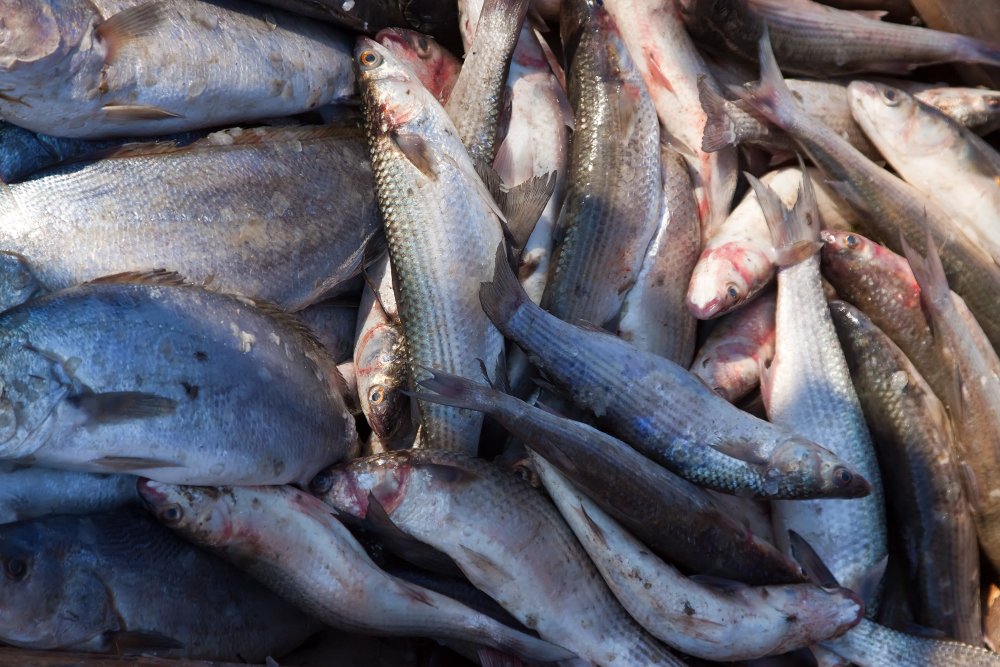
If you want to start a fish farming business in Nigeria, you are looking at one of the few businesses where people buy your product every single day without you begging them. Fish is food. Homes, restaurants, pepper soup joints, and event vendors all need it. That steady demand is what makes this business powerful.
In this guide, you will see how fish farming works in real life, the best system to start with, how to choose a good location, how much you need to begin, how to get quality fingerlings, the right way to feed and manage your fish, when to harvest, how to sell, and the mistakes that make many beginners lose money. Everything is arranged in clear steps so you don’t get confused or waste time.
By the end of this post, you will understand how to set up your fish farm from scratch, avoid costly errors, calculate your expected profit, and run a clean production cycle that brings consistent income.
Step 1: Understand How Fish Farming Works
What Fish Farming Means
Fish farming is raising fish in a controlled place so you can sell them for profit. Instead of catching fish from rivers, you keep them in a pond or tank, feed them, manage their water, and grow them to market size.
In Nigeria, most beginners start with catfish because it grows fast, sells easily, and many people eat it. Your job as a fish farmer is simple: keep the fish alive, help them grow fast, and sell them at the right time.
If you treat it like a real business (not guessing), fish farming becomes predictable: you stock fish, feed them daily, control water, then harvest and sell.
Why It Is Profitable in Nigeria
Fish is one of the most consumed proteins in Nigeria. Restaurants, pepper soup joints, hotels, events, and homes buy fish every day. This steady demand is why fish farming can pay well.
Another reason is that fish grows in cycles. You don’t need to wait years like some businesses. With catfish, many farmers sell within a few months, then start again.
Profit comes when you control your two biggest costs: feed and mortality (fish dying). If your fish survive well and you buy feed smartly, your numbers improve fast.
The Most Farmed Fish in Nigeria
Catfish
Catfish is the most common in Nigeria because it is hardy, easy to sell, and used for pepper soup and smoked fish. It also survives better in local conditions than many other fish.
Tilapia
Tilapia is also popular, especially for fresh fish markets and restaurants. It can do well, but it needs good water management and a strong buyer market around you.
For most beginners, catfish is the easier starting point because it sells faster and is easier to manage.
Step 2: Decide the Type of Fish Farming You Want
Earthen Pond System
This is a pond dug in the ground, common in rural or semi-rural areas. It can be cheaper for large scale if the land and soil are suitable.
It works best when the soil can hold water and you have a reliable water source. Earthen ponds can grow fish well, but they need good security and proper drainage. If the pond leaks or floods, you can lose fish.
Concrete Pond System
Concrete ponds are strong and permanent. They are easier to clean and control than earthen ponds.
They cost more to build, but they can last long if done well. Many fish farmers like concrete ponds because they look professional and can be managed in a more controlled way.
Tarpaulin / Mobile Pond System
This is one of the most beginner-friendly options in Nigeria. It’s faster to set up, cheaper than concrete, and doesn’t require digging.
It’s good if you’re starting small or you don’t want heavy construction. The key is to buy quality tarpaulin and place it on a flat, safe surface. Poor-quality tarpaulin can leak and cause losses.
Tank Fish Farming
Tank farming uses plastic tanks, fibre tanks, or large containers. It’s common for people who want to farm fish in a small space, like a compound.
It’s easy to control water and monitor fish. But tanks can heat up, so you must manage temperature and water quality. This system is great for trial runs before you scale.
Step 3: Choose a Good Location
Water Supply
Water is not optional in fish farming. Your location must have a steady water source—borehole, well, or clean flowing water.
No water means fish stress, slow growth, and higher deaths. Before you build anything, confirm you can pump and replace water when needed. If water is unreliable, don’t start there.
Drainage System
Your pond must be able to release dirty water and take in fresh water easily. Good drainage prevents water from smelling, turning green too fast, or causing disease.
If a location floods during rain, your fish can escape. If water cannot drain well, waste builds up and fish die. Always plan where water will go after you drain it.
Accessibility to Market
If buyers can’t reach you, selling becomes harder and more expensive. Choose a place with easy road access so you can supply restaurants, traders, and customers without stress.
Being close to your market also reduces transport losses, especially when you’re moving live fish.
Soil Type and Land Condition
This matters most for earthen ponds. Some soils hold water well; others don’t. If the soil is too sandy, your pond may leak.
Even for tarpaulin or concrete, the land should be flat and stable. A bad foundation leads to cracks, leaks, and avoidable repairs.
Step 4: Get Training and Basic Knowledge
Fish farming looks simple until small mistakes start costing you money. Training helps you avoid common beginner losses like overstocking, poor feeding, and wrong water management.
You don’t need a long course before you start, but you need to understand the basics: stocking density, feeding rate, water change routine, disease signs, and how to calculate profit.
If possible, learn from a working fish farm close to you. Seeing a real setup teaches faster than theory.
Your goal is not to know everything. Your goal is to know enough to run a clean cycle: stock → feed → manage water → harvest → sell.
Step 5: Create a Fish Farming Business Plan
Startup Cost Estimate
Write down what you must pay for before your first sale. This includes pond/tank setup, water system, fingerlings, feed, and basic tools.
A clear estimate stops you from starting and getting stuck halfway. It also helps you decide your scale: small, medium, or commercial.
Cost of Fingerlings
Fingerlings are your “raw materials.” If you buy weak fingerlings, you will lose money no matter how good your feeding is.
Budget for quality fingerlings from a trusted hatchery. Also plan for losses, because in farming, not every fish survives.
Cost of Feed
Feed is usually the biggest cost in fish farming. If you don’t plan feeding cost properly, your profit disappears.
Calculate how much feed you’ll need from stocking to harvest. Don’t guess. Feed planning helps you price your fish correctly.
Sales Projection and Profit Estimate
Decide how you’ll sell: live fish, fresh fish, or smoked fish. Then estimate your selling price based on your local market.
Profit is simple: total sales minus total cost. If the numbers don’t look good on paper, adjust your scale, reduce waste, or improve your selling plan before you start.
Step 6: Register Your Fish Farming Business
Registering your fish farming business in Nigeria is not compulsory to start, but it helps you grow faster and look serious to buyers and partners.
If you want to supply restaurants, hotels, schools, supermarkets, or bid for contracts, registration makes people trust you more.
It also helps if you want a business bank account, loans, grants, or to work with cooperatives.
Business Name vs Limited Company
For most beginners, a Business Name is enough. It’s cheaper and easier.
A Limited Company is better when you want investors, big contracts, or you plan to scale into large production.
If you’re starting small, register a business name first. You can upgrade later when your fish farming business is stable.
Step 7: Construct Your Fish Ponds
Standard Pond Size and Depth
There is no “magic size,” but your pond must fit your budget, your space, and your water supply.
For beginners, the smart move is to start with a pond size you can manage daily. What matters most is that the pond is deep enough to hold water well and keep fish comfortable, and wide enough for easy movement, feeding, and harvesting.
Also plan space around the pond. You need room to walk, sort fish, and clean.
Water Inlet and Outlet Structure
Your pond must have a way for clean water to enter and dirty water to leave.
The inlet brings in fresh water. The outlet helps you drain water when it becomes dirty or when you want to harvest.
If you build a pond without a proper outlet, you will suffer. Cleaning becomes stressful, water becomes bad, and fish diseases spread faster.
Cost of Pond Construction in Nigeria
Pond construction cost in Nigeria depends on the pond type (earthen, concrete, tarpaulin, tank), your location, materials, and labour.
Tarpaulin ponds usually cost less to start. Concrete ponds cost more but last longer.
Instead of chasing the cheapest option, focus on the one you can maintain without constant repairs. A cheap pond that leaks will cost you more later.
Step 8: Install a Reliable Water Supply System
Borehole
A borehole is one of the best options for fish farming in Nigeria because it gives steady water.
The main issue is cost. Drilling and pumping can be expensive, but it gives you control. With a good borehole, you can change water when needed and reduce fish deaths.
Well
A well can work if it provides enough water daily. It is usually cheaper than a borehole.
But many wells drop during dry season. If your well cannot supply enough water when the weather changes, your fish farming business will suffer.
Flowing Stream
A flowing stream can be good because water is constant.
But it comes with risk: pollution, chemicals from farms upstream, and infections. If you use stream water, you must check cleanliness and protect your farm from contamination.
Step 9: Buy Quality Fingerlings or Juveniles
Difference Between Fingerlings and Juveniles
Fingerlings are very young fish. Juveniles are older and stronger.
Fingerlings are cheaper, but they need more careful handling. Juveniles cost more, but they survive better and grow faster to selling size.
If you’re a beginner, juveniles can reduce losses, especially if your water management is not strong yet.
How to Identify Healthy Fish Seeds
Healthy fingerlings or juveniles move actively, look clean, and respond quickly in water.
Avoid fish that are weak, floating oddly, or staying still. Also avoid sellers that mix sizes badly, because smaller ones get bullied and die faster.
Buy from a trusted hatchery, not just any random roadside seller.
Cost of Fingerlings in Nigeria
Cost of fingerlings in Nigeria changes often based on size, season, and location.
Instead of chasing the cheapest price, focus on quality. Poor fingerlings can wipe out your profit through high mortality.
Always buy slightly more than your target number to cover small losses during transport and early stocking.
Step 10: Feed Your Fish Properly
Types of Fish Feed
For catfish farming in Nigeria, you’ll mostly choose between floating and sinking feed.
Floating feed helps you monitor feeding and reduce waste because you can see what the fish eats. Sinking feed can work, but it’s easier to overfeed and pollute the water.
Many successful fish farmers combine both, depending on fish size and budget.
Feeding Schedule
Feed your fish at consistent times daily. Consistency helps fish grow faster and reduces stress.
Do not feed based on emotion. Feed based on size and appetite. If fish stop eating well, something is wrong—usually water quality or sickness.
Also remove leftover feed. Leftover feed spoils water and causes disease.
Cost of Fish Feed in Nigeria
Fish feed is usually your highest cost in fish farming business in Nigeria.
Prices change, so plan for it early. To reduce cost, buy in bulk when possible, avoid wastage, and feed correctly.
If you control feed waste, you protect your profit. If you waste feed, you’re throwing money into the pond.
Step 11: Manage and Maintain the Fish Pond
Water Quality Management
In fish farming in Nigeria, dirty water is one of the fastest ways to lose fish. Your goal is simple: keep the water clean enough for fast growth.
Watch for warning signs: bad smell, water turning very dark/green, fish gasping at the surface, or fish acting weak.
Change water when it starts looking or smelling bad. If you have a proper outlet, draining part of the water and replacing it is easier than full drainage.
Do not overfeed. Leftover feed rots and spoils water.
Keep the pond area clean. Don’t allow soap, fuel, chemicals, or dirty runoff to enter the pond. Water quality is not “extra work.” It is the heart of pond management.
Sorting and Grading
Sorting means separating fish by size. Grading helps your fish grow evenly and reduces losses.
If you mix big fish and small fish for too long, the big ones will dominate feed. The small ones will grow slowly, get stressed, and may die.
Sorting also helps you plan feeding better. Fish of the same size eat at similar rates, so you waste less feed.
Do it carefully to avoid stress. Use a net gently, handle fish quickly, and return them to clean water fast. Proper sorting is one reason experienced farmers get better results than beginners.
Disease Prevention
Preventing disease is cheaper than treating it. Most fish sickness starts from stress: dirty water, overcrowding, poor feeding, or sudden water changes.
Keep stocking density reasonable. Too many fish in a small pond makes oxygen low and disease spreads fast.
Buy healthy fingerlings or juveniles from a trusted hatchery. Weak fish bring problems into your pond.
Remove dead fish immediately. One dead fish left inside can affect water quality and attract disease.
If you notice strange swimming, loss of appetite, sores, or mass deaths, act fast. Improve water quality first, then speak with a fish health professional if needed.
Step 12: Harvest and Sell Your Fish
Growth Duration for Catfish
In catfish farming in Nigeria, growth depends on feeding, water quality, and your fish size at stocking.
If you feed well and manage water properly, catfish can reach market size within a few months. If you feed poorly or water is bad, it will take longer and your costs will rise.
Your focus should be efficiency: fast growth with low mortality. That’s how you protect profit.
When to Harvest
Harvest when your fish size matches what your buyers want. Don’t wait too long if your market prefers smaller sizes, because you will spend more on feed.
Also harvest when your fish starts eating heavily and growth slows. That stage can reduce your profit because feed cost rises faster than weight gain.
Plan your sales before harvest day. Harvesting without ready buyers can lead to price drops, delays, and stress on the fish.
Where to Sell Your Fish
The best buyers are the ones that buy regularly, not the ones that buy once.
Sell to:
Restaurants and Pepper Soup Joints
They buy catfish often, especially live fish.
Market Fish Sellers
They buy in bulk, but they bargain hard.
Hotels, Caterers, and Event Vendors
They can pay well if you supply consistent size.
Direct Customers
This gives you better profit per fish, especially on social media and WhatsApp.
Build relationships early. Selling is easier when buyers already know you.
Step 13: Cost of Starting Fish Farming in Nigeria
Low-Budget Setup
This is for small starters using tarpaulin ponds or tanks, with a small number of fish. It works if you want to learn the business, reduce risk, and grow slowly.
Your main spending will be the pond/tank setup, water supply, fingerlings, and feed.
Medium-Scale Setup
This is for people who want steady monthly or batch income. You may run multiple ponds or bigger ponds, hire help, and buy feed in larger quantities.
Your costs rise because you need stronger water systems, better security, and more serious operations.
Commercial Setup
This is large production with bigger ponds, higher stocking, strong water and power systems, and planned sales channels.
At this level, you treat it like a full company. Records, staff, buyers, and disease control become non-negotiable. Commercial fish farming in Nigeria can pay well, but it punishes careless management.
Step 14: Profitability of Fish Farming in Nigeria
Profit Per Cycle
Profit in fish farming business in Nigeria is calculated per cycle: money you make after harvest minus everything you spent.
The biggest costs are usually feed, fingerlings, and water/power. Your biggest profit advantage is running a clean cycle with low fish death and low feed waste.
If you sell at the right time and to the right buyers, your profit improves without increasing your workload.
Factors That Affect Profit
Feed Cost and Feed Waste
If you waste feed, you lose money daily.
Mortality Rate
Fish death is direct loss. High mortality can kill the whole business.
Stocking Density
Overstocking causes slow growth and disease.
Water Quality
Bad water reduces appetite and growth.
Market Price
If you sell when prices are low or buyers are not ready, profit drops.
Control these five, and your fish farming becomes more predictable.
Step 15: Common Mistakes to Avoid in Fish Farming
Many beginners lose money because they rush.
Starting Without a Reliable Water Source
No water, no fish farming. Don’t “manage it later.”
Overstocking
More fish does not mean more profit. It can mean more deaths.
Buying Cheap, Weak Fingerlings
Bad fish seeds will frustrate you from day one.
Feeding Wrong
Overfeeding spoils water. Underfeeding slows growth.
Poor Record Keeping
If you don’t track costs and sales, you won’t know if you’re truly making profit.
Waiting Until Harvest Day to Look for Buyers
Plan your market early. Harvesting without buyers leads to losses and panic selling.
Conclusion
Start a fish farming business with the mindset of a producer, not just a farmer, and everything changes. The people who make the most money in this industry are not always the ones with the biggest ponds; they are the ones who control value beyond the pond.
In Nigeria, a large percentage of the fish consumed is still imported, which tells you that demand is bigger than local supply. That gap is your real opportunity. But the deeper advantage is not just growing fish; it is positioning yourself inside the fish supply chain where money moves daily: hatchery, smoked fish processing, live fish logistics, bulk supply to food vendors, and direct-to-consumer sales.
There is also a timing advantage many beginners ignore. Fish prices are not constant throughout the year. During festive periods and the dry season, supply drops while demand rises. Farmers who plan their production cycle to harvest during these high-demand periods often make significantly more profit without increasing their workload.
Start a fish farming business with this long-term structure in mind and you will not just be selling fish. You will be building a reliable food production system that pays you repeatedly, scales with time, and positions you inside one of Nigeria’s most essential and recession-resistant industries.
