
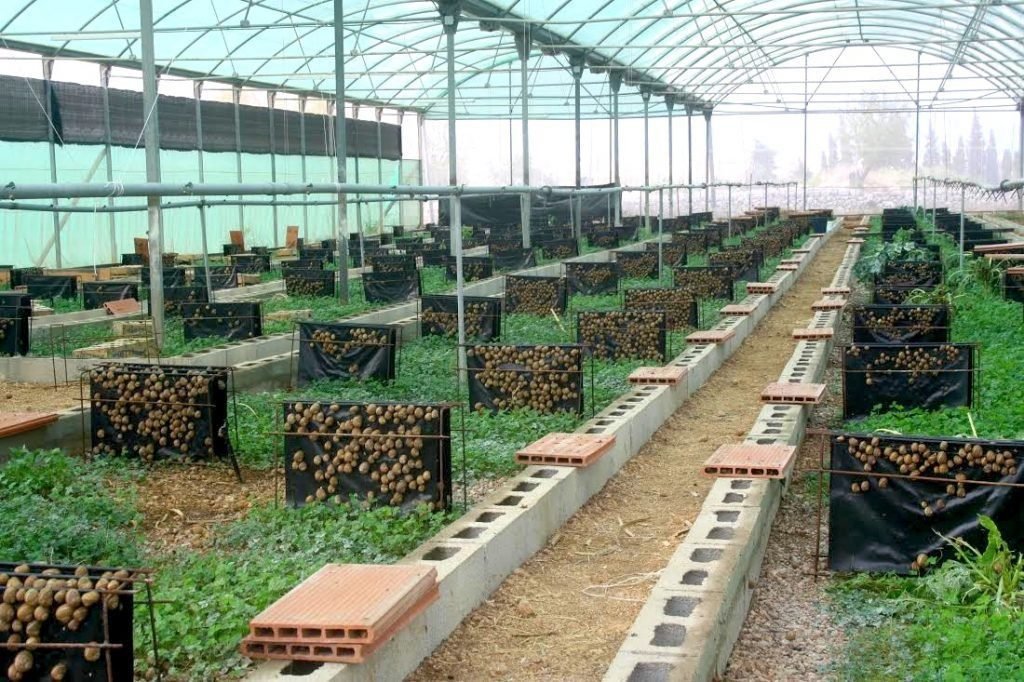
Snail farming is one of the profitable agribusiness ideas you can start in 2026, even with low capital. Many people ignore it, but the demand for snails keeps increasing every year across homes, restaurants, and hotels. If you are looking for a business that is easy to start, quiet to manage, and capable of bringing steady income, this is one option you should take seriously.
The good thing about snail farming in Nigeria is that you don’t need a big space or expensive equipment. You can start right in your backyard and grow at your own pace without pressure. With the right knowledge, you can turn a few snails into hundreds within months.
In this guide, you will learn exactly how to start snail farming in Nigeria step by step. Everything is explained in simple terms so you can understand and take action immediately.
Step 1: Understand Snail Farming and Its Profit Potential in Nigeria
Snail farming, also called heliciculture, simply means raising snails for food and sale. It is a quiet and low-risk business you can start from your backyard. You don’t need heavy machines or expensive tools to begin.
Snails are in high demand in Nigeria because many people eat them and hotels use them often. A mature snail can sell for ₦500 to ₦2,000 depending on size and location. There is also export demand, which means bigger profit if you scale.
Many beginners think snails grow fast or need no care at all. That is wrong because snails need the right food, moisture, and protection to grow well. If you understand this early, you will avoid losses and grow faster.
Step 2: Choose the Best Snail Species for Farming
Not all snails are good for farming, so you must choose the right type. The most common species in Nigeria are Achatina achatina, Archachatina marginata, and Achatina fulica. These grow big and sell well in the market.
Archachatina marginata is the best choice for beginners in Nigeria. It grows large, survives easily, and adapts well to the Nigerian climate. It also lays many eggs, which helps you expand quickly.
Achatina achatina is bigger but harder to manage, while Achatina fulica grows fast but is smaller in size. For a beginner, go for a species that is easy to manage, not just one that looks attractive. This will reduce your stress and increase your chances of success.
Step 3: Conduct Market Research Before You Start
Before you start snail farming in Nigeria, know who will buy from you. Your main buyers are restaurants, hotels, market women, and individuals. Some exporters also buy in large quantities if your supply is steady.
In 2026, the price of snails in Nigeria depends on size and location. Big snails can sell between ₦800 and ₦2,000 each in cities like Lagos and Abuja. Prices are usually lower in rural areas but demand is still strong.
To confirm demand, visit local markets and ask sellers how often they run out of stock. Talk to restaurants and see if they need regular supply. This simple research will show you if the business will work in your area.
Step 4: Choose a Suitable Location for Your Snail Farm
Snails need a cool, moist, and shaded environment to survive. They do not like heat or direct sunlight because it dries their bodies. A place with good airflow and natural shade is perfect.
You can start snail farming in Nigeria in your backyard or a small piece of land. Urban areas work fine if you control heat and moisture properly. Rural areas are even better because the environment is more natural.
You don’t need a large space to start. Even a small corner can hold a snail pen if it is well managed. Start small, learn the process, then expand as your snails multiply.
Step 5: Set Up Your Snail Housing (Pen Construction)
Your snails need a safe place to live, called a snail pen. Common types in Nigeria include hutch boxes, trench pens, and concrete pens. Each option depends on your budget and available space.
A simple hutch box is good for beginners because it is cheap and easy to manage. You can build it with wood, net, and wire mesh to keep pests away. Make sure the pen holds moisture and does not allow snails to escape.
The cost of building a small pen in Nigeria can range from ₦20,000 to ₦100,000. It depends on the materials you use and the size of your farm. Start with what you can afford and upgrade later as your income grows.
Step 6: Source Healthy Snails (Stocking Your Farm)
To start snail farming in Nigeria, you need to buy healthy snails from trusted sources. You can get them from local farmers, markets, or agricultural suppliers. Avoid picking random snails from the bush if you are not experienced.
Healthy snails have strong shells without cracks or damage. They are active at night and respond quickly when touched. Weak or sick snails will not grow well and may die early.
For beginners, start with 50 to 100 snails. This number is easy to manage and allows you to learn without much risk. As they reproduce, your farm will grow naturally without spending more money.
Also Read: How To Expand Your Business Across States In Nigeria
Step 7: Feed Your Snails Properly for Fast Growth
To succeed in snail farming in Nigeria, you must feed your snails the right food. Good feeds include pawpaw leaves, waterleaf, cocoyam leaves, and fruits like banana and cucumber. These foods help your snails grow fast and stay healthy.
Feed your snails once daily, preferably in the evening. Snails are more active at night, so this is when they eat the most. Always wash the food and remove leftovers the next day to avoid dirt.
Avoid common mistakes like giving salty food or dry leaves. Do not overfeed, because it can spoil the pen and attract pests. Clean feeding leads to faster growth and better profits.
Step 8: Manage Breeding and Reproduction
Snails are hermaphrodites, which means each snail can reproduce. When two snails mate, they both lay eggs after some time. This makes snail farming in Nigeria easy to expand.
Snails lay eggs in moist soil, so your pen must have soft and damp soil. The eggs hatch in about 2 to 4 weeks if conditions are right. Do not disturb the soil too often, or you may damage the eggs.
To increase reproduction, keep your pen moist and avoid overcrowding. Give your snails enough food and space to move freely. Healthy snails reproduce faster and grow your farm quickly.
Step 9: Maintain Proper Farm Hygiene and Prevent Diseases
Cleanliness is very important in snail farming in Nigeria. Dirty pens can cause diseases and slow down growth. You should clean your pen regularly and remove waste.
Watch out for signs of sickness like weak movement or broken shells. Sick snails should be separated immediately to protect others. Early action can save your entire farm from loss.
Pests like ants, termites, and rats can harm your snails. Use barriers like water gutters or ash to keep them away. A clean and protected farm will keep your snails safe and productive.
Step 10: Harvesting Snails for Sale
Snails are ready for harvest when their shells are fully grown and hard. This usually takes 6 to 12 months, depending on how well you feed them. Bigger snails sell for higher prices in Nigeria.
Handle snails carefully when harvesting to avoid damage. Do not break their shells or expose them to direct sunlight for too long. Keep them in a cool container with good airflow.
To avoid weight loss, do not starve snails for too long before selling. Keep them in a moist environment until delivery. Fresh and healthy snails attract better buyers and higher prices.
Step 11: Sell and Market Your Snails in Nigeria
To make money from snail farming in Nigeria, you need to know where to sell. You can sell to local markets, restaurants, hotels, and even online buyers. These buyers need a steady supply all year round.
Set your price based on size, quantity, and location. Bigger snails always sell for more money. Study your local market so you don’t sell too cheap or too high.
To get repeat buyers, be consistent and reliable. Deliver on time and maintain good quality. When customers trust you, they will keep coming back and even refer others.
Step 12: Calculate Startup Cost and Expected Profit
Starting snail farming in Nigeria does not require huge capital. A small-scale farm can cost between ₦50,000 and ₦150,000. This includes pens, snails, and feeding.
Monthly costs are low because snails eat natural foods. You may spend little on feeding and maintenance if you manage well. This makes it a good business for beginners.
Profit depends on how many snails you raise and sell. A well-managed farm can return double your investment within a year. As your snails reproduce, your profit will keep increasing.
Conclusion
Nigeria consumes millions of kilograms of snail meat yearly, yet a large portion still comes from the wild, which is becoming unreliable due to deforestation and climate change. This gap between demand and structured supply is where serious farmers quietly make consistent money.
Another angle many people ignore is pricing control. Unlike crops that spoil quickly, snails can be stored alive for weeks with proper moisture, which gives you the power to wait and sell when prices rise. This means you are not forced to sell at a loss during low demand periods, a major advantage in Nigeria’s unstable market system.
The real opportunity is not just in selling snails, but in controlling supply, timing the market, and scaling with intention. Those who treat it like a serious business, not a side hustle, are the ones who will dominate in the next few years.
