
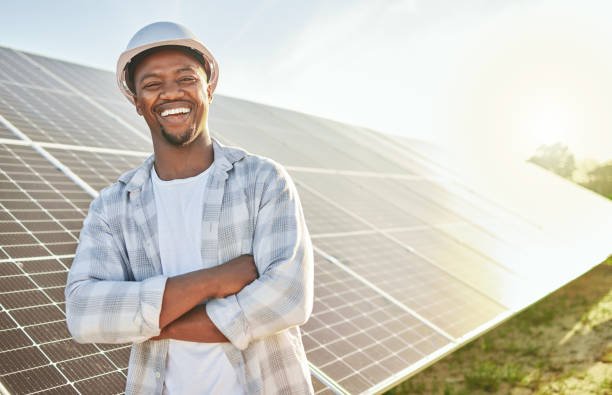
Nigeria is facing a serious power problem, and that problem is quietly creating one of the biggest business opportunities in the country today. From homes to factories, people are tired of unstable electricity and rising fuel costs. This is why the renewable energy business in Nigeria is growing faster.
In 2026, solar is no longer a luxury. It is becoming a daily need. Government support, private investment, and high demand are pushing the industry forward. Programs like DARES are also making it easier for new entrepreneurs to enter the market.
If you are looking for a smart way to start or invest, this guide will show you the top renewable energy business opportunities in Nigeria that are working right now. These are not theories. These are real, profitable ideas you can start, scale, and build long-term income from.
Top 5 Renewable Energy Business Opportunities In Nigeria (2026 Updated List)
1. Solar Home Systems (SHS) Distribution & Installation (PAYGO Models)
This is one of the easiest ways to start a renewable energy business in Nigeria. You sell small solar kits that can power lights, fans, TVs, and phones. These systems are perfect for homes, kiosks, and small shops.
Instead of asking customers to pay everything at once, you allow them to pay small amounts over time. This is called Pay-As-You-Go (PAYGO). It makes your product affordable to many people.
This business works well because many Nigerians still don’t have stable electricity. People are ready to pay for reliable power, even in small amounts.
You can start with low to medium capital. Your success will depend on how well you distribute your products. Build a strong agent network, partner with suppliers, and focus on customer support.
2. Rooftop & Distributed Solar for Commercial & Industrial (C&I) + Battery Storage
This renewable energy business in Nigeria focuses on bigger clients like factories, hotels, hospitals, and offices. You install solar systems on their rooftops and connect batteries to store power.
These businesses spend a lot on diesel. Your solution helps them cut fuel costs and enjoy stable electricity.
You can make money in different ways. You can charge for installation, offer leasing plans, or provide power as a service where they pay monthly.
This business needs medium to high capital, but the returns are strong. One client can bring in a lot of money.
Demand is growing fast in cities because businesses are tired of unreliable power and rising fuel costs. If you position yourself well, this can become a very profitable solar business in Nigeria.
3. Solar Hybrid Mini-Grid Development
Mini-grids are small power stations that supply electricity to a group of homes or a whole community. You build and run the system, and people pay you for the electricity they use.
This opportunity is strong in rural and semi-urban areas where there is little or no access to power.
The Nigerian government is supporting this through programs like DARES, which provide grants and incentives. This reduces your risk and startup cost.
This business requires high capital, but the support available makes it easier to enter than before.
The long-term income is stable because you earn from electricity usage every day. If managed well, this can become a steady and scalable renewable energy business in Nigeria.
4. Local Solar Component Assembly, Distribution & Installation
In this business, you import solar parts like panels, inverters, and batteries, then assemble, sell, and install them locally.
There is a huge demand for these products across Nigeria. More homes and businesses are switching to solar every day.
The government is encouraging local assembly by reducing import duties and supporting local production. This gives you an advantage if you set up properly.
You will need medium to high capital depending on your scale.
Your edge in this business is simple: offer good prices and make products easily available. If customers can trust you for quality and fast delivery, you will grow quickly in the solar energy market in Nigeria.
5. Solar-Powered Productive Use Solutions (Agriculture & SMEs)
This is one of the smartest renewable energy business opportunities in Nigeria today. Instead of just selling power, you combine solar with tools that help people make money.
For example, you can provide solar-powered irrigation pumps, cold storage, dryers, or milling machines.
Your main customers are farmers and small business owners. These tools help them increase their income while reducing fuel costs.
You can earn by selling the equipment, leasing it, or offering bundled services where users pay over time.
This business has a strong impact because it improves productivity and supports food production. It also fits into government focus areas like agriculture and rural development.
If you are thinking long-term, this is a powerful way to build a scalable and impactful solar business in Nigeria.
Also Read: How To Use Crowdfunding Platforms To Raise Capital In Nigeria
How To Choose The Right Renewable Energy Business For You
Start with your capital. If you have little money, go for Solar Home Systems. If you have more, consider commercial solar or mini-grids.
Next is your location. Urban areas need solutions for businesses. Rural areas need power access, so mini-grids and solar farming tools work better.
Think about your skills. If you are not technical, focus on sales and distribution. If you understand installations, you can handle bigger projects.
Finally, check risk vs reward. Small solar sales are easier but bring slower profits. Large projects need more money but give bigger returns.
Choose what fits your current level. You can always grow into bigger opportunities later.
Startup Requirements For Renewable Energy Businesses In Nigeria
First, register your business with the Corporate Affairs Commission (CAC). This gives you credibility.
You need basic technical knowledge. You don’t have to be an expert, but you must understand how solar systems work.
Find reliable suppliers. You can buy locally or import, but quality matters. Bad products will damage your reputation.
Check if you need any licenses, especially for large projects like mini-grids.
For funding, look into grants, partnerships, or investors. Programs supporting renewable energy business in Nigeria can reduce your startup cost.
Challenges You Should Know Before Starting
The first challenge is high upfront cost. Solar equipment is expensive, even though it pays off later.
There is also a technical knowledge gap. If you don’t understand the system, mistakes can cost you money.
Many customers cannot pay at once. This leads to payment issues, especially in PAYGO models.
You must also handle maintenance and after-sales service. If systems fail and you don’t respond fast, you lose trust.
Lastly, watch out for policy and regulatory changes. Government rules can affect pricing, imports, and operations.
These challenges are real, but if you plan well, you can still build a strong renewable energy business in Nigeria.
Conclusion
The real winners in this space will not be those who only install systems, but those who build distribution, financing, and maintenance networks. In Nigeria, access is everything. If you can solve how people pay (flexible plans), how they receive products (last-mile distribution), and how systems stay working (after-sales service), you will dominate your market.
Another angle is data. Every solar system you install can generate usage and payment data. This data can help you design better pricing, predict demand, and even attract investors. Globally, energy companies are now valued not just by assets, but by the quality of their customer data and recurring revenue.
Also, think beyond electricity. The future is in energy + productivity. Businesses that combine power with income-generating tools, like cold storage or processing machines, will grow faster because they directly increase their customers’ earnings.
If you approach this market as a long-term system builder, not just a seller, you position yourself ahead of 90% of new entrants. That is how you truly win in the renewable energy business space in Nigeria.
