
A pos business is one of the few small businesses that can begin earning money almost immediately when done the right way. You see POS operators everywhere today, but what many people don’t know is that most of them started small, made avoidable mistakes, and learned things the hard way.
In this post, we will break everything down in plain words. You’ll learn how POS business works in Nigeria, how much capital you really need, how to choose the right business model, how to register with a provider, where to locate your POS point, how pricing works, common risks to avoid, and how people grow from one POS stand to multiple outlets.
By the end of this post, you will understand exactly how to start a POS business in Nigeria in 2026, what mistakes to avoid from day one, and the smart steps to take if you want this business to bring steady daily income instead of stress.
Steps to Start a POS Business in Nigeria
Step 1: Choose the Right POS Business Model
Independent Agent Model
You register directly with a bank or POS provider and run your own POS line. You control your pricing and daily cash, and you keep your profits. The downside is that you handle everything yourself—network issues, disputes, and business growth.
Aggregator Model
You register under an agent manager (aggregator). They can help you get a POS faster, support you with setup, and sometimes provide training. The downside is you may face extra rules, shared commissions, or delayed support if the aggregator is slow.
Fixed Shop POS
This is best if you want steady walk-in customers and better security. Rent and setup costs are higher, but trust is easier to build.
Mobile POS
You move around to meet customers. It’s cheaper to start, but risk and stress are higher, and customer flow is less predictable.
Step 2: Register With a POS Service Provider or Bank
Basic requirements you should have
To start a POS business in Nigeria, you’ll usually need a valid ID, an active phone number, and a bank account in your name. Some providers also expect a small starting float and a working smartphone for onboarding.
KYC documents you’ll likely submit
Most POS service providers request NIN or BVN, a passport photo, proof of address (utility bill or address verification), and your business/location details. If you’re using a shop, they may ask for shop photo or landmark.
Approval timeline
Approval can be same day to a few days, depending on verification and network.
What to watch out for
Avoid providers with hidden charges, poor reversal support, or unstable network uptime. Pick one with clear pricing, quick dispute resolution, and responsive agent support.
Step 3: Get a POS Machine (Purchase or Lease)
Types of POS machines in Nigeria
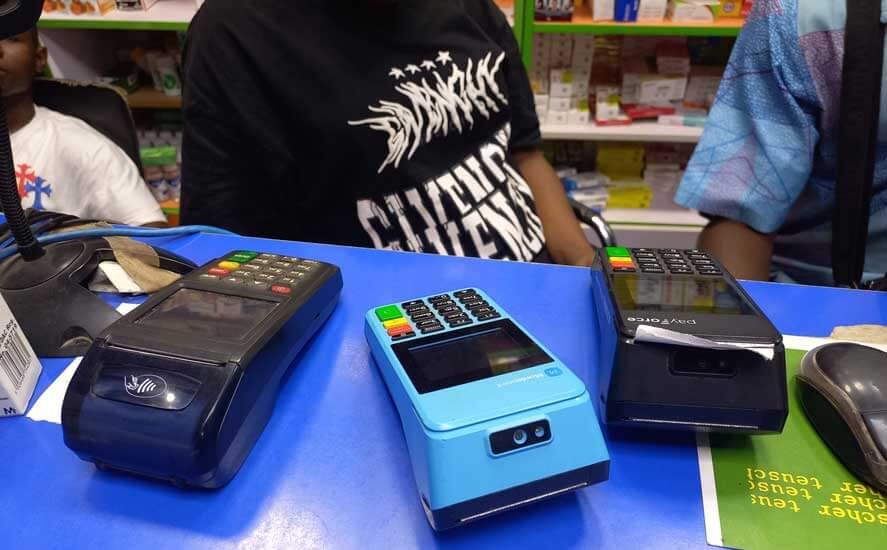
You’ll mainly see Android POS, keypad POS, and mPOS (phone + card reader). Android POS is the most common because it handles transfers, bills, and printing easily.
Purchase vs lease
Buying means the machine is yours and you avoid weekly fees. Leasing is cheaper upfront, but you may pay ongoing charges or meet targets. If you plan to stay long-term, buying often makes more sense.
Features your POS must have in 2026
Go for strong network options (dual SIM), fast processing, reliable battery, receipt printing, and clear transaction reports. Also check if the provider’s app is stable and updates regularly.
Step 4: Secure a Good Location for Your POS Business
What makes a location profitable
A good POS business location is where people handle money daily: markets, busy streets, transport areas, campuses, and estates with limited ATMs. You want steady demand for cash withdrawal and transfers.
Places to avoid
Avoid hidden corners, very quiet streets, and areas with constant harassment or high theft risk. Also avoid places where many agents already fight for the same customers.
How foot traffic affects your income
More people walking past your spot usually means more transactions. More transactions means more charges earned. If people have to “look for you,” your daily volume drops fast.
Step 5: Set Up Your POS Point Properly
Choose a simple setup that fits your budget
You can start with a table and umbrella, a small kiosk, or a shop space. What matters is that customers can find you easily and feel safe transacting with you.
Make your point visible
Use clear signage like “POS”, “Cash Withdrawal”, “Transfer”, “Airtime”. Keep your space neat. People trust what looks organised.
Secure your cash and device
Don’t display large cash. Sit where you can see your surroundings. If possible, use a lockable drawer or cash box. Keep your POS machine close, protect your PIN, and avoid letting strangers handle your device.
Also Read: How To Get Customers For Your Business In Nigeria
Step 6: Fund Your POS Float Correctly
What “float” means
Float is the money you keep available to pay customers when they withdraw cash. Without enough float, you’ll lose customers even if your POS is working.
How much float to keep daily
Your float depends on your area. Busy locations need more cash. Start with what you can handle safely, then increase as you understand your daily demand.
Managing cash shortages
When cash is low, reduce large withdrawals and focus on transfers and bill payments until you restock. Build a habit of rebalancing: deposit excess cash, withdraw when you need more.
Avoid running out
Track your peak hours, keep backup cash plans, and don’t tie all your money in personal spending.
Step 7: Understand POS Charges, Commissions, and Pricing
Know what you earn from each transaction
In a POS business in Nigeria, your profit comes from service charges and commissions. Withdrawals and transfers are the daily bread.
Withdrawal and transfer charges
Charges vary by provider and area. Your job is to set prices customers accept while still making profit. Don’t guess. Ask nearby agents what customers already tolerate.
Price without losing customers
If you charge too high, people will walk away. If you charge too low, you’ll work hard and still feel broke. Keep pricing simple, consistent, and explain it calmly when asked. Also understand reversals and failed transactions so you don’t lose money through confusion.
Step 8: Daily Operations and Customer Handling
Prevent disputes before they start
Always confirm the customer’s amount and account details before you press “send.” For withdrawals, confirm the amount you’re paying out before you count cash.
Confirm every transaction properly
Don’t rely on “alert” alone. Use the POS success message, receipt, and your transaction history. If it’s a transfer, show the customer the confirmation screen.
Handling failed or reversed transactions
If a transaction fails but the customer was debited, stay calm and report it immediately through the provider’s support channel. Keep the reference number. Tell the customer the reversal timeline and follow up until it’s resolved. Your calmness and clarity is what builds trust and repeat customers.
Common Risks in POS Business in Nigeria and How to Avoid Them
Fraud and fake alerts
Your biggest enemy is a customer showing you “debit alert” that is not real. Don’t release cash because of SMS. Always confirm on your POS screen, your agent app, or your bank app before you pay.
If a transfer is involved, check the transaction status and reference number. If it’s not “successful,” it didn’t happen.
Network downtime
Bad network will waste your time and frustrate customers. Use a POS machine that supports dual SIM. Test the strongest network in your area and stick to it. Keep a backup option (second SIM or second provider) for busy days.
Cash theft and security risks
Don’t sit in hidden corners. Use a visible spot with people around. Avoid counting big cash openly. Keep your cash in a locked box. End the day early if the area gets unsafe at night.
How Much You Can Make Daily, Weekly, and Monthly With POS Business
Average daily transactions
Your earnings depend on how many transactions you do daily. In a busy area, you’ll see steady withdrawals, transfers, and bill payments. In a quiet area, you may do few transactions and struggle.
Realistic profit estimates
POS business profit is small per transaction but strong with volume. If you do more transactions, you earn more charges. If you do fewer transactions, your profit stays low, even if you “worked” all day.
What affects earnings
Location, your float size, network stability, pricing, trust, and competition all affect income. The fastest way to grow is simple: pick a busy area, keep enough cash, and reduce failed transactions.
How to Scale a POS Business in Nigeria
Add more POS machines
When one machine is always busy, add another. This helps you serve more customers and reduce long queues. It also protects you when one device has network issues.
Hire attendants the right way
Only hire someone you can trust. Start with training and clear rules. Track every transaction. Use daily records so money doesn’t disappear silently.
Move from one outlet to multiple locations
Don’t open a second spot because you’re excited—open it because your first spot is stable. Choose a new location with proven demand, then repeat the same system: visibility, float, security, and strong provider support.
Conclusion
A pos business in Nigeria is no longer just about cash withdrawal; it is quietly becoming part of the country’s financial infrastructure. As banks reduce branches and ATMs struggle with downtime, POS agents are filling a gap that keeps widening every year.
This means the real opportunity is not in doing “what everyone else is doing,” but in positioning yourself where the system is still weak. This includes new estates, fast-growing suburbs, campuses, transport corridors, and areas with heavy daily cash movement.
One important truth most people miss is that POS profit is driven more by system reliability and trust than by charges. Data from Nigeria’s agent banking growth over the past few years shows that agents who stay active longest are not the cheapest, but the most consistent. Customers return to the POS point that rarely fails, resolves issues fast, and feels safe. This turns small fees into predictable daily income.
Another overlooked angle is record keeping. POS agents who track transactions properly are the ones banks and fintechs later approach for partnerships, better limits, and expansion support. That is how a roadside stand quietly turns into a small financial hub.
