
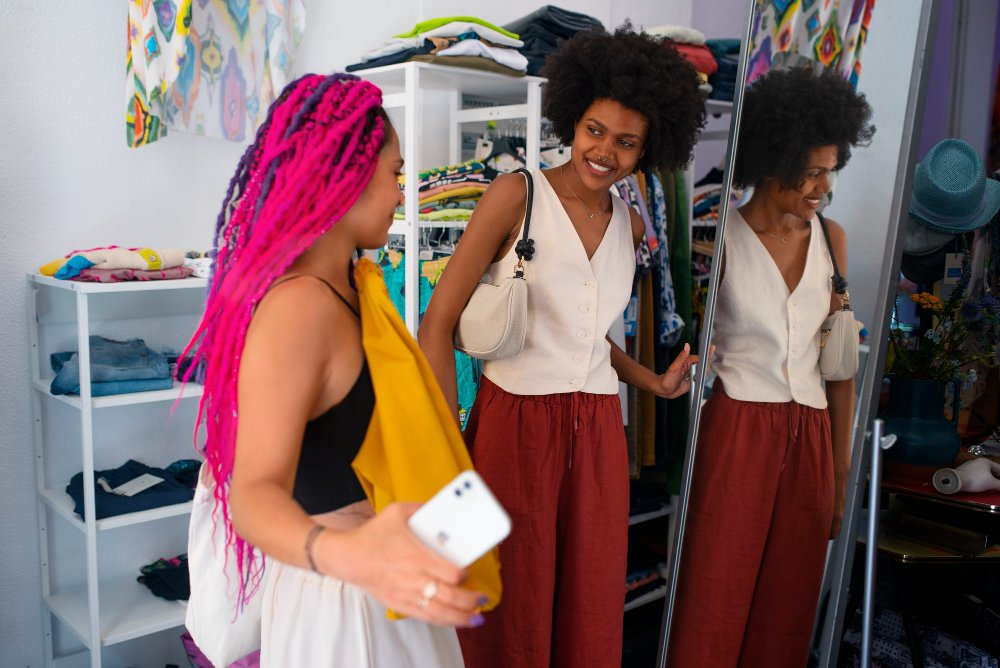
If you want to start a clothing business in Nigeria, this is one of the smartest decisions you can make right now. People will always wear clothes. They buy for work, church, school, weddings, birthdays, vacations, and everyday life. The fashion market in Nigeria is active every single day. However, many entrepreneurs enter this business excited and leave frustrated because they don’t understand how it really works.
In this guide, I will show you how to choose the right type of clothing business, how to find a profitable niche, how much you need to start, how to price for profit, how to get customers, and how to grow step by step. We will talk about branding, marketing, online sales, suppliers, and the mistakes that destroy new fashion businesses.
By the end of this post, you will clearly understand what to do, what to avoid, how much you truly need, and how to build a clothing business in Nigeria that can actually grow and make steady profit.
Step 1: Decide the Type of Clothing Business You Want to Start
Ready-to-Wear (RTW)
This means you sell clothes that are already made and ready to wear. You focus on popular sizes, clean finishing, and fast delivery. RTW is good if you want steady sales and you can restock often. To win here, pick a clear style (corporate, streetwear, modest, luxury casual) and make sure your pictures look premium.
Custom Tailoring
This is made-to-measure. People pay you to sew what fits their body. It works well in Nigeria because many buyers want “my exact size.” Your success depends on fitting, speed, and trust. If you miss deadlines, you lose customers fast. Start with 2–3 signature outfits you can deliver consistently.
Thrift (Okrika) Business
You sell fairly-used clothes. The money can start small and move fast. The game is selection: clean items, correct sorting, and smart pricing. Your edge is knowing what your customers like and getting first access to good bales. Sell on WhatsApp and Instagram with clear size and condition details.
Fashion Brand (Own Label)
This is when you build a name people recognize, not just clothes. You control design, label, packaging, and how people feel when they buy. It takes more work because you must be consistent. Start small: one product line (like shirts or gowns), one signature look, and strong branding. Your brand grows when people can spot your style without seeing your logo.
Wholesale / Bulk Supply
This means you sell many pieces to retailers or resellers at a lower price per item. It’s volume business. Your focus is stable supply, competitive pricing, and reliability. You don’t need plenty followers; you need repeat buyers. Keep clear price lists, minimum order quantity, and delivery timelines. This model can scale fast if your supplier network is strong.
Step 2: Conduct Market Research in Nigeria
Identify Your Target Customers
Be clear on who you’re selling to. Don’t say “everyone.” Choose one main group: students, working-class women, corporate men, new mums, or teens. Ask simple questions: what do they wear often, how much do they spend, and where do they shop? When you know your customer, your products and marketing become easier.
Study Competitors in Your Area
Search Instagram, TikTok, WhatsApp status, markets, and nearby shops. Look at what they sell, how they price, and what customers complain about in comments. Your goal is not to copy. Your goal is to find gaps. Maybe their delivery is slow. Maybe their designs look the same. That gap is where you enter and win.
Analyze Pricing in Your Niche
Pricing is not guesswork. Write down 10 competitors and their prices for similar items. Compare quality, packaging, and delivery. Then decide your positioning: affordable, mid-range, or premium. If your price is higher, your value must be obvious: better finishing, better fabric, faster delivery, or better styling. Customers don’t hate high prices. They hate unclear value.
Understand 2026 Fashion Trends in Nigeria
Trends help you stock what moves fast. Watch what influencers wear, what people buy for weddings, work, church, and casual outings. Use Instagram Reels, TikTok, and marketplace best-sellers to spot patterns. But don’t chase every trend. Choose trends that match your niche and that you can deliver consistently. Trend + consistency is what builds profit.
Step 3: Choose a Profitable Niche
A niche is your focus. It helps customers remember you and trust you faster. If you sell everything, you look like everybody. Pick one lane and own it. Examples: corporate dresses, modest wear, streetwear, kidswear, big sizes, or luxury native outfits.
Choose a niche using three checks. First, demand: people must be buying it often. Second, margin: you must make enough profit after costs. Third, supply: you must be able to restock easily in Nigeria. Start with one niche, then expand later. Growth is easier when your first niche is strong and clear.
Step 4: Write a Simple Clothing Business Plan
Startup Cost Breakdown
List what you must pay for to start. Keep it simple: inventory or fabrics, sewing or production cost, packaging, delivery, phone, and marketing. Add your monthly costs too, like rent, data, and staff wages if any. This helps you avoid surprises and prevents you from spending your capital on the wrong things.
Revenue and Profit Projection
Don’t overthink it. Decide how many items you can sell weekly and your average profit per item. Multiply it. Example: if you sell 20 items weekly and make ₦2,000 profit each, that’s ₦40,000 weekly. This tells you if the business can actually feed you, and what you must improve to grow.
Sales and Distribution Plan
Write how you will sell and deliver. Will you sell through Instagram, WhatsApp, a physical shop, or resellers? How will you handle delivery? Also decide payment rules: upfront payment, part payment, or no credit. Clear rules protect your cash flow and reduce stress.
Step 5: Calculate Startup Capital (Cost Breakdown in Nigeria 2026)
Equipment and Tools Cost
Start by listing what you must buy to deliver quality. If you’re reselling, your tools are basic: phone, good lighting for pictures, packaging materials, and a tape rule for sizing. If you’re producing, add sewing machine, overlock, scissors, measuring tape, pressing iron, and a mannequin.
Buy only what helps you sell faster. Don’t waste money on fancy tools you won’t use weekly. If money is tight, start with the essentials, then upgrade from profit.
Shop Rent or Workspace Cost
A shop is not compulsory when starting a clothing business in Nigeria. Many people start from home and sell online. If you want a physical space, choose a location where your buyers already pass—market areas, student zones, busy streets.
If rent is expensive, use a shared workspace, a small room, or “appointment only” pickup. Your goal is simple: reduce fixed costs until your sales are stable.
Inventory or Fabric Cost
This is where most of your money will go. If you’re reselling, inventory means the clothes you will stock. If you’re sewing, inventory means fabrics, lining, buttons, zips, threads, and packaging.
Start with fast-moving items, not too many styles. Stock small, sell fast, restock quickly. That’s safer than buying plenty goods that may not move. Keep records of what sells and what stays.
Branding and Marketing Budget
Branding is how you look and how people remember you. Start with the basics: a clean logo, clear product photos, simple packaging, and a consistent name on all platforms.
Marketing is how people find you. Set money aside for data, ads (if you can), influencer support, and content creation. If you can’t run ads yet, invest your time in daily posting, good captions, and customer referrals. In Nigeria, trust sells faster than noise.
Also Read: What Businesses Can I Start With 500k In Nigeria in 2026?
Step 6: Register Your Clothing Business in Nigeria
CAC Business Name Registration
If you want to look serious and build trust, register your business name with CAC. It helps when dealing with suppliers, running ads, opening business accounts, and working with organizations.
Use a name you can own online too—Instagram handle, domain name, and WhatsApp display. Keep it simple and easy to spell. Once registered, keep your documents safe. You’ll need them for many business steps later.
Opening a Business Bank Account
A business account helps you separate personal money from business money. It also makes you look more credible when customers pay.
If you’re just starting, you can use a personal account, but treat it like business: track payments, avoid mixing spending, and save proof of transactions. As soon as sales become steady, move to a business account so your records stay clean. Clean records help you grow faster.
Step 7: Find Reliable Suppliers or Manufacturers
Local Fabric and Material Markets
Local sourcing is faster and easier when starting a clothing business in Nigeria. Visit major fabric markets in your state and ask questions like a serious buyer: price per yard, discounts for bulk, return policy, and how often they restock.
Buy small first to test quality. Touch the fabric, stretch it, and check if it fades. Save contacts of good sellers. A reliable supplier is a long-term asset.
Importing from China or Turkey
Importing can give you better pricing and unique designs, but it needs patience and careful planning. Delivery takes time, and mistakes are expensive.
If you must import, start with small quantities. Always confirm sizes, fabric type, and real pictures. Use trusted agents and keep your payment records. Don’t import what you’ve never sold before locally. Test demand first.
Avoiding Supplier Scams
In clothing business, scams are common—especially online. Don’t pay full money to a stranger because their page looks “clean.” Ask for live video, real-time product proof, and references from past buyers.
Use payment methods that give you evidence. Start with small orders. If a supplier refuses basic proof, walk away. It’s better to miss “a good deal” than lose your capital.
Step 8: Set Up Your Production Process
Hiring Tailors or Staff
If you sew, you may need support as orders grow. Hire based on skill and discipline, not vibes. A tailor that misses deadlines will damage your name.
Start with one reliable person before building a team. Agree on pricing per outfit, timeline, and quality expectations. Put everything in writing on WhatsApp if needed.
Quality Control Process
Quality control means you check work before the customer sees it. Check stitching, fitting, fabric flaws, stains, and finishing. Do this every time, even when you’re tired.
One bad outfit can kill trust. One good delivery can bring referrals. Make quality your habit, not a “special effort.”
Packaging and Finishing
How you package affects how people rate you. Use clean nylon, branded stickers if possible, and proper folding. Add a simple thank-you note or care instruction.
Also focus on finishing: ironing, removing loose threads, and neat labeling. People may forget your price, but they won’t forget how your product made them feel.
Step 9: Brand Your Clothing Business Properly
Choosing a Strong Brand Name
Your brand name should be easy to say, easy to spell, and easy to remember. If people can’t type it correctly, they won’t find you again.
Pick a name that matches your niche. If you sell corporate wear, your name should not sound like kidswear. Also check Instagram availability before you fall in love with the name. If the handle is taken, adjust slightly, but keep it clean.
Make sure the name can grow with you. Don’t pick a name that limits you to one product if you plan to expand later.
Logo and Visual Identity
A logo is not your brand. It’s just your identifier. Keep it simple so it looks good on clothes tags, pictures, and packaging.
Choose 1–2 main colours and stick to them across your posts. Use the same style for your product photos: same background, same lighting, same angles. This consistency is what makes you look premium, even if you’re still small.
Labels and Packaging
Labels make your clothing look like a real brand, not random selling. Start small: size tag + brand tag. Packaging should be clean, neat, and protective.
Add a simple thank-you note and a care guide if you can. People don’t just buy clothes. They buy experience. That experience is what makes them come back.
Step 10: Price Your Clothing for Profit
Cost-Based Pricing Method
This is the safest way to price when starting a clothing business in Nigeria. Add up your full cost: fabric or stock cost, sewing, transport, packaging, and any small expenses like thread or dispatch to pickup point.
Then add profit. Don’t price based on feelings. If your cost is ₦8,000 and you sell for ₦8,500, you’re working for stress.
Competitor-Based Pricing
Check what others charge for similar quality. If your quality is the same, your price should not be far higher. If your quality is better, show the difference clearly with photos, finishing, and reviews.
Never try to be the cheapest. Cheap customers are quick to complain and quick to leave.
Setting Healthy Profit Margins
Your profit must cover mistakes, discounts, and slow weeks. Aim for a margin that still leaves you breathing after expenses.
If your profit is too small, one refund or one damaged item will wipe you out. Price like a business owner, not like someone begging to sell.
Step 11: Create a Strong Online Presence
Instagram and TikTok Strategy
Instagram and TikTok are where clothing sells fast in Nigeria. Post clear photos, short videos, and real customer reviews. Don’t post “random.” Post what helps someone buy: price, size, fabric type, and delivery.
Use simple content daily: new arrivals, try-on videos, packing orders, and customer feedback. Your goal is trust. When people trust you, they pay faster.
WhatsApp Business Setup
WhatsApp Business helps you sell without stress. Set up a catalogue, quick replies, and labels like “New Order,” “Paid,” and “Delivered.”
Use a clean profile picture and a clear business description. Also set your business hours. This one step reduces unserious messages and makes you look professional.
Creating a Website (WordPress Store)
A website makes your clothing business look established, and it helps you rank on Google. If you want serious growth, use a WordPress store with product pages, prices, and payment options.
Your website should have: product categories, size guide, delivery policy, and contact details. This reduces back-and-forth and helps you convert buyers faster.
Step 12: Market Your Clothing Business in Nigeria
Influencer Marketing
Influencers work when they match your audience. Don’t pay for “big names” that don’t sell your kind of clothes. Choose creators whose followers comment, ask prices, and buy.
Give them one clear job: wear the outfit, show it well, and tell people how to order. Track results. If they don’t bring sales, don’t repeat.
Facebook and Instagram Ads
Ads help you reach people beyond your followers. Start small. Promote your best-selling item, not your entire page. Use strong photos, clear pricing, and a simple message.
Run ads to WhatsApp for faster conversion. Keep your targeting tight: location, age range, and interests that match your niche.
Campus and Offline Marketing
If your buyers are students or young workers, campus marketing is powerful. Use brand reps, resellers, and referral rewards.
Offline still works in Nigeria: small banners, partnerships with salons, gyms, and boutiques, and showing up at events where your customers attend. Visibility creates familiarity. Familiarity creates sales.
Step 13: Sell Online and Offline
Selling Through Marketplaces (Jumia, etc.)
Marketplaces can help you get more buyers, but they also come with rules, fees, and competition. Use them if you already understand your pricing and you can handle consistent supply.
Start with a few products that you can restock easily. Use clear photos and correct sizes. Bad reviews on marketplaces can slow your growth.
Logistics and Delivery Setup
Delivery is part of your product. If delivery fails, your customer blames you, not the rider.
Use reliable dispatch riders and keep backup options. Be clear about delivery timelines before collecting payment. Also package well, so items don’t get dirty or damaged in transit.
A smooth delivery experience turns first-time buyers into repeat customers.
How to Manage Inventory and Cash Flow
Track Stock Like a Business, Not Like a Guess
If you don’t know what you have, you will lose money quietly. Write down every item or fabric you buy, what it cost, and when it entered your stock.
Update your stock anytime you sell. If you sell online, record sizes, colours, and remaining quantity. This helps you restock what sells and stop wasting money on slow items.
Restock Based on Sales Data
Your best-selling items should always be available. Don’t restock based on excitement. Restock based on what customers actually buy.
If an item stays too long, run a small discount and move it out. Dead stock is money sleeping.
Separate Business Money From Personal Money
This is where many people fail. If you eat from your capital, the business will shrink.
Pay yourself a fixed amount weekly or monthly. Keep the rest for restocking, delivery issues, and marketing.
Avoid Credit Sales When You’re Still Small
Credit can destroy your cash flow. If you must do it, do it only for trusted repeat customers and set clear payment dates.
How to Scale Your Clothing Business in Nigeria
Scale Means Repeatable Sales, Not Just More Products
Don’t add new items because you’re bored. Scale when you have one product line selling consistently and you can restock without stress.
Focus on improving what already works: better pictures, faster delivery, and stronger customer service.
Build Systems Before You Build Size
Create simple systems: order format, payment rules, delivery process, and returns policy. When your process is clear, you can handle more orders without confusion.
Use tools like WhatsApp Business labels, Google Sheets for records, and a clear price list.
Add New Channels, Not Just New Designs
To grow, increase where you sell: resellers, corporate supply, events, marketplaces, or a simple website. This spreads your risk.
Invest in Branding and Trust
The clothing business in Nigeria grows faster when people trust you. Push reviews, user-generated content, and repeat customer rewards. Trust reduces marketing cost over time.
Common Mistakes to Avoid When Starting a Clothing Business in Nigeria
Starting Without a Clear Niche
If you sell everything, you will confuse people. Choose a niche so customers know what to call you for.
Poor Quality and Weak Finishing
Bad stitching, wrong sizes, and dirty packaging will ruin your name quickly. Quality is your marketing.
Pricing Too Low to “Get Customers”
Low pricing attracts the wrong buyers and kills profit. Price to survive, restock, and grow.
Posting Without Selling
Nice posts are useless if people don’t know how to buy. Always include price, size, and how to order.
Not Delivering on Time
Late delivery creates refunds, insults, and bad reviews. Under-promise and over-deliver.
Mixing Business Money With Personal Spending
This is the silent killer. Once your capital disappears, your business becomes “stuck,” even if customers still want to buy.
Conclusion
To start a clothing business in Nigeria, you must understand something many people ignore. Which is that fashion is not just about clothes, it is about behaviour. Study how Nigerians spend. Sales increase during festive seasons, salary weeks, wedding periods, back-to-school months, and December travel season.
If you track buying patterns instead of guessing, your revenue becomes more predictable.
Another truth is that attention is the new rent. Even if you sell from your room, you are competing with thousands of sellers online. The brands that grow are not always the most talented. They are the most consistent. Posting daily, responding fast, delivering on time, and collecting reviews compounds over time. In a crowded market, reliability becomes your strongest marketing tool.
Finally, think long term. Don’t just aim to sell clothes. Build data. Save customer numbers. Track what they buy. Track their sizes. Track their birthdays. Over time, that customer database becomes more valuable than your current stock. Inventory can expire. Trends can change. But a loyal audience gives you leverage for years.
If you approach it with systems, patience, and market awareness, you won’t just start a clothing business in Nigeria. You will build one that survives trends, competition, and economic pressure.
