
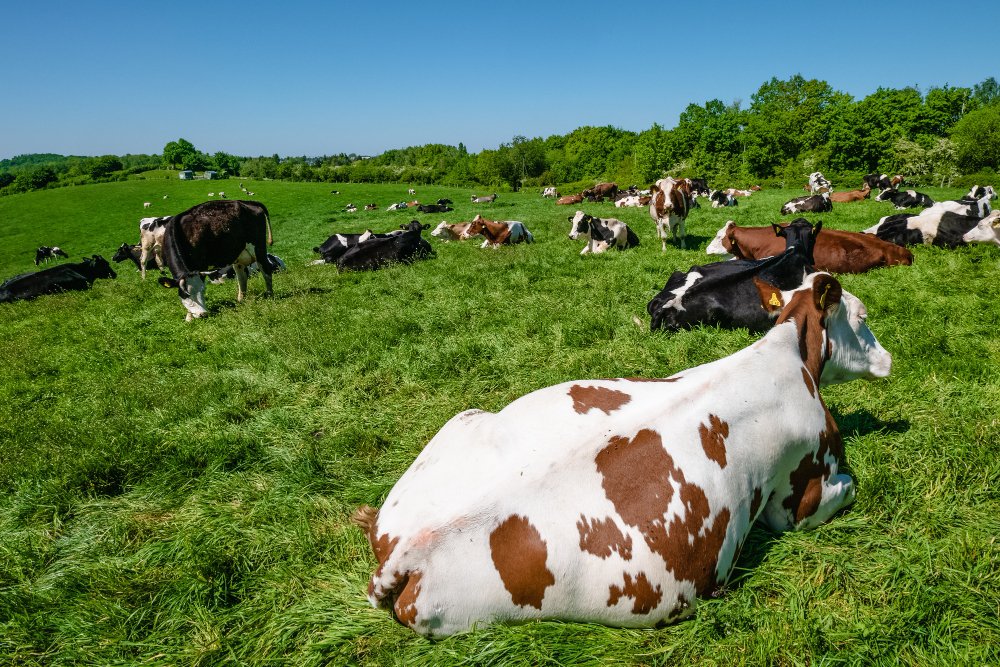
Livestock farming in Nigeria is no longer a business reserved for villagers or large agricultural companies alone. In recent years, thousands of Nigerians have started making steady income from raising chickens, goats, fish, pigs, cattle, rabbits, snails, and other farm animals. The increasing cost of food, rising population, and high demand for meat, eggs, and dairy products have made livestock farming one of the fastest-growing agricultural businesses in the country.
Today, hotels, restaurants, fast food outlets, supermarkets, open markets, and homes consume livestock products every single day. Yet, local production is still not enough to meet demand. This is why many smart Nigerians are now paying serious attention to livestock farming.
The good thing is that you do not need to start big before making profit. Many successful livestock farmers in Nigeria started with small capital in their backyard and expanded gradually.
In this ultimate guide, you will learn how to start livestock farming in Nigeria step by step, the most profitable livestock businesses, startup costs, challenges, mistakes to avoid, and practical tips that can help you succeed in 2026.
What Is Livestock Farming?
Livestock farming is the business of raising animals for food, commercial purposes, or other products people use daily. These animals may be raised for meat, milk, eggs, skin, wool, or breeding purposes.
Livestock farming in Nigeria includes:
- Poultry farming
- Fish farming
- Goat farming
- Pig farming
- Cattle rearing
- Snail farming
- Rabbit farming
- Sheep farming
- Turkey farming
This sector has become very important because Nigeria’s population keeps increasing every year. As more people are born, the demand for food and animal protein also rises.
Is Livestock Farming Profitable In Nigeria?
Yes, livestock farming is highly profitable in Nigeria when properly managed.
Nigeria spends billions importing livestock products yearly because local production is still low compared to demand. This creates huge opportunities for local farmers.
For example:
- Poultry farmers make money from eggs and meat
- Fish farmers sell catfish and tilapia
- Goat and cattle farmers profit from festive periods
- Pig farmers supply hotels and meat processors
- Snail farmers export snails and supply restaurants
One major reason livestock farming is profitable is because food is a necessity. People may stop buying luxury items during hard times, but they will still eat.
However, profitability depends on factors like:
- Proper feeding
- Good farm management
- Disease control
- Market access
- Starting with the right livestock
Farmers who fail in livestock farming usually struggle because of poor planning, bad feeding practices, or lack of proper knowledge.
Steps To Start Livestock Farming In Nigeria
Step 1: Choose The Type of Livestock Farming You Want
Before starting, you need to choose the livestock business you want to focus on.
Poultry Farming
Poultry farming involves raising chickens, layers, broilers, or turkeys for eggs and meat. It is one of the most popular livestock businesses in Nigeria because demand is very high.
Broilers grow fast and can be sold within weeks, while layers produce eggs daily.
Fish Farming
Fish farming is another profitable livestock business in Nigeria. Catfish farming is especially common because Nigerians consume large quantities of fish daily.
Fish farming can be done in concrete ponds, earthen ponds, or plastic tanks.
Goat Farming
Goat farming requires less capital compared to cattle farming. Goats reproduce quickly and are highly demanded during festive periods and ceremonies.
Pig Farming
Pig farming grows very fast because pigs reproduce in large numbers and mature quickly. Pig meat is highly consumed in many parts of Nigeria.
Cattle Farming
Cattle farming is capital intensive but profitable. Farmers make money from beef and dairy products.
Snail Farming
Snail farming is suitable for beginners because it requires small capital and little space. Snails are also exported to foreign countries.
Rabbit Farming
Rabbit farming is gradually becoming popular because rabbits reproduce quickly and require smaller feeding costs.
Step 2: Carry Out Market Research
Many people rush into livestock farming without understanding the market first. This is one major reason some farms fail.
Before investing your money:
- Know who will buy your products
- Study prices in your area
- Understand what livestock is in high demand
- Learn from existing farmers
For example, some areas have high demand for catfish while others consume more poultry products.
Market research helps you avoid unnecessary losses.
Step 3: Write a Livestock Farming Business Plan
A business plan gives your livestock farming business direction.
Your business plan should include:
- Type of livestock
- Startup budget
- Feeding costs
- Farm location
- Equipment needed
- Expected profits
- Marketing strategy
Even if you are starting small, a business plan helps you stay organized.
It also becomes useful if you want to apply for loans or attract investors later.
Step 4: Get Suitable Land or Space
The land you choose can affect your farm success.
When choosing a location, consider:
- Good road access
- Clean water supply
- Security
- Proper drainage
- Enough space for expansion
If you are starting small, you may use your backyard depending on the livestock type.
For example:
- Snail farming can be done in small spaces
- Poultry and pig farming require proper ventilation
- Fish farming requires constant water supply
Avoid swampy or flood-prone areas.
Step 5: Build Proper Housing and Farm Structures
Animals need safe and healthy environments to grow properly.
Poor housing can cause disease outbreaks, stress, slow growth, and death.
Your livestock housing should provide:
- Good ventilation
- Protection from rain and sun
- Proper drainage
- Easy cleaning
- Enough movement space
For poultry farming, overcrowding birds can lead to serious disease outbreaks.
Fish ponds should also be properly constructed to prevent leakage and poor water circulation.
Step 6: Buy Healthy Livestock
The quality of animals you buy can determine your success.
Always buy from trusted farms or hatcheries.
When buying livestock:
- Check for signs of sickness
- Avoid weak or injured animals
- Ask about vaccination history
- Inspect feeding condition
Many beginners lose money because they buy unhealthy animals at cheap prices.
Cheap livestock may eventually cost more due to treatment expenses and deaths.
Step 7: Buy Feeding and Farming Equipment
You need proper equipment to run your farm smoothly.
Depending on the livestock type, you may need:
- Feeders
- Drinkers
- Fish nets
- Water tanks
- Incubators
- Storage containers
- Wheelbarrows
- Cleaning tools
Good equipment reduces stress and improves productivity.
Also Read: How To Start A Cooking Gas Refilling Plant In Nigeria
Step 8: Feed and Care for Your Animals Properly
Feeding is one of the most important parts of livestock farming.
Animals that are poorly fed grow slowly and become weak.
Quality feeding improves:
- Growth rate
- Weight gain
- Egg production
- Disease resistance
- Reproduction
Many livestock farmers spend the largest part of their budget on feed.
To reduce feeding costs, some farmers produce part of their feed themselves.
Always provide clean water because dirty water can spread diseases quickly.
Step 9: Vaccinate and Manage Animal Diseases
Disease outbreaks can destroy an entire livestock farm within days.
This is why vaccination and proper health management are extremely important.
Common livestock diseases in Nigeria include:
- Newcastle disease in poultry
- Foot and mouth disease in cattle
- African swine fever in pigs
- Fish infections caused by dirty water
To protect your animals:
- Maintain farm hygiene
- Vaccinate regularly
- Isolate sick animals
- Work with a veterinary doctor
Prevention is always cheaper than treatment.
Step 10: Employ Farm Workers (Optional)
As your farm expands, you may need workers.
Farm workers help with:
- Feeding
- Cleaning
- Monitoring animals
- Security
- Medication administration
However, many small-scale farmers start alone or with family assistance.
Step 11: Register Your Livestock Farming Business
Registering your business gives your farm credibility.
You can register your livestock business with the Corporate Affairs Commission (CAC).
Business registration helps you:
- Open business bank accounts
- Apply for loans
- Work with large buyers
- Build trust
As your business grows, proper documentation becomes important.
Step 12: Market and Sell Your Livestock Products
One mistake many farmers make is waiting until products are ready before searching for buyers.
Start building customers early.
You can sell livestock products through:
- Open markets
- Restaurants
- Hotels
- Supermarkets
- Social media
- Food processing companies
Some farmers also make direct supply agreements with hotels and event centers.
WhatsApp, Facebook, TikTok, and Instagram now help many livestock farmers attract customers online.
Cost of Starting Livestock Farming In Nigeria (2026)
The amount needed depends on the livestock type and scale.
Below is a rough estimate:
Poultry Farming
Small-scale poultry farming may require between ₦300,000 and ₦2 million depending on bird quantity.
Fish Farming
Fish farming may cost between ₦500,000 and several millions depending on pond size.
Goat Farming
You can start small goat farming with ₦200,000 to ₦500,000.
Snail Farming
Snail farming is cheaper and may start from ₦100,000.
Pig Farming
Pig farming may require ₦500,000 or more.
Your major expenses usually include:
- Land
- Housing
- Livestock purchase
- Feed
- Equipment
- Medication
- Labor
Best States For Livestock Farming In Nigeria
Some states are better for livestock farming because of land availability, climate, and market demand.
Popular livestock farming states include:
- Oyo State
- Ogun State
- Kaduna State
- Plateau State
- Kano State
- Rivers State
- Lagos State
For example:
- Lagos has huge market demand
- Oyo and Ogun have affordable land
- Plateau has favorable weather for some livestock
Your location should balance production costs and market access.
Common Problems Facing Livestock Farmers In Nigeria
Livestock farming is profitable, but it also comes with challenges.
1. High Feeding Costs
Feed prices keep increasing in Nigeria. This affects profit margins.
2. Disease Outbreaks
Poor hygiene and bad management can cause massive losses.
3. Insecurity and Theft
Some farms lose animals through theft.
4. Poor Access to Capital
Many farmers struggle to get loans or funding.
5. Climate and Weather Problems
Extreme heat and flooding can affect livestock productivity.
Despite these challenges, farmers who manage their farms properly still make good profits.
Mistakes To Avoid When Starting Livestock Farming
1. Starting Too Big
Many beginners invest heavily without experience. This often leads to losses.
Start small and expand gradually.
2. Ignoring Vaccination
Skipping vaccination can destroy your entire farm.
3. Poor Record Keeping
You should track:
- Feeding costs
- Medication expenses
- Sales
- Death rates
- Profits
Good records help you make better decisions.
4. Lack of Market Plan
Never assume buyers will automatically come.
Build customer relationships early.
5. Using Poor Quality Feed
Cheap feed may reduce growth and productivity.
How To Get Funding For Livestock Farming In Nigeria
Lack of capital is one major challenge for many farmers.
Fortunately, there are several funding options available.
1. Agricultural Loans
Some banks provide agricultural loans for farmers.
2. Government Programs
Government agricultural programs sometimes support livestock farmers with grants or loans.
3. Cooperative Societies
Joining cooperative groups can help you access funding.
4. Private Investors
Some investors fund profitable agricultural businesses with strong business plans.
Conclusion
One important reality many people ignore is that Nigeria still faces a major food production gap. The country consumes far more animal protein than local farmers currently produce. This means the biggest opportunity in livestock farming is not just raising animals, but building efficient systems that can supply food consistently and at scale.
Many farmers focus only on production, but the real long-term money is often in processing, packaging, distribution, breeding, and direct supply contracts with businesses. Farmers who understand this early usually grow faster and build more sustainable income.
The best approach is to start small, master the business gradually, avoid unnecessary risks, and expand with experience.
