
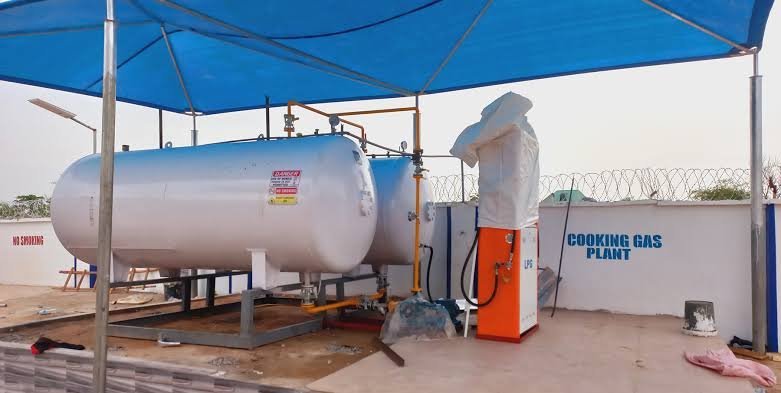
In this ultimate guide, you will learn how to start a cooking gas refilling plant in Nigeria from scratch. You will understand the startup costs, licenses required, equipment needed, safety rules, profit potential, best locations, and how to avoid costly mistakes. Whether you want to start a mini gas plant or build a larger LPG station, this guide will help you understand everything in simple and practical terms.
One good thing about the cooking gas business is that people use gas almost every single day. This means demand is steady throughout the year. Whether the economy is good or bad, families still need to cook food, restaurants still need to operate, and businesses still need energy solutions. That is why many investors now see LPG as one of the most stable businesses in Nigeria.
Starting a cooking gas refilling plant in Nigeria may look complicated at first, especially because of the equipment, licenses, and safety requirements involved. But the truth is that once you understand the process step by step, the business becomes much easier to plan and execute.
STEP 1: Understand How the Cooking Gas Business Works
What Is a Cooking Gas Refilling Plant?
A cooking gas refilling plant is a business where people come to refill their gas cylinders for cooking. The gas used is called LPG, which means Liquefied Petroleum Gas. It is the same gas used in homes, restaurants, hotels, and many small businesses across Nigeria.
There are different sizes of gas plants. A mini gas plant is smaller and cheaper to start. It is good for beginners with limited capital. A standard LPG plant is bigger, serves more customers daily, and requires more money to set up.
The refilling process is simple. Gas is stored inside a large tank. When customers bring their cylinders, the gas is transferred into the cylinders using a dispensing machine and weighing scale. Safety is very important during this process.
You can make money from gas refilling, selling gas cylinders, burners, hoses, regulators, and even home gas delivery services.
Types of Cooking Gas Plants in Nigeria
A mini LPG refilling plant is the most common option for beginners. It usually serves a smaller area and needs less capital. Many new investors start with this because the risk is lower.
A skid gas plant is a more modern setup that comes almost fully assembled from the manufacturer. It is easier to install and is now very popular in Nigeria because approvals are faster in many cases.
A mega LPG station is a large-scale business with multiple storage tanks and dispensing points. These stations supply gas to many customers daily and may also sell gas in bulk to smaller dealers.
A mobile gas retail business involves using a vehicle to supply cooking gas directly to homes and businesses. This model is growing fast in busy cities because many people now prefer doorstep delivery.
STEP 2: Carry Out Market Research
Things to Research Before Starting
Before starting a cooking gas refilling plant in Nigeria, you need to know if people in your area actually buy cooking gas regularly. Areas with many families, restaurants, and fast-growing estates usually have high demand.
You should also study existing gas plants around you. Check how busy they are, how they treat customers, and how much they charge per kilogram. This helps you understand what customers want and where you can do better.
Location matters a lot in this business. A good location should be easy to access and visible from the road. Places with heavy movement usually attract more customers daily.
You also need to understand gas pricing and profit margins. Cooking gas prices change often in Nigeria, so you must know how much suppliers sell to dealers and how much profit you can realistically make.
Best Locations for a Cooking Gas Plant in Nigeria
Residential areas are one of the best places to open a gas plant. Families cook every day, so demand for cooking gas is always high. Areas with many tenants and young families are especially good.
Roadside commercial locations also work well because they attract both drivers and nearby residents. A visible location can help your business grow faster without spending too much on advertising.
Developing estates and urban communities are smart locations for long-term growth. Many of these places may have few gas plants at the beginning, giving you the chance to build a strong customer base early.
Avoid isolated areas with low population. Even if the rent or land is cheap, low customer traffic can slow down your business growth.
STEP 3: Write a Cooking Gas Business Plan
What Your Business Plan Should Contain
A cooking gas business plan helps you understand how the business will run before spending money. It shows your expected costs, profits, risks, and growth plans. This is important if you want to avoid mistakes.
Your business plan should include your startup capital and equipment costs. You should clearly state how much you need for land, tank installation, licenses, staff, and daily operations.
You also need to include operational expenses like staff salaries, transportation, generator fuel, maintenance, and gas supply costs. Many people focus only on setup costs and forget running expenses.
Revenue projections help you estimate how much money the business can make monthly or yearly. You should also include possible risks like price changes, government regulations, and safety issues.
Sample Profit Analysis for a Gas Refilling Plant
If you sell a large amount of cooking gas daily, the profits can be very good. Many gas plants in busy areas make money from hundreds of kilograms sold every day.
For example, if your profit is between ₦100 and ₦250 per kilogram, your daily earnings can grow quickly depending on your customer volume. The more customers you have, the higher your income.
Your profit also depends on location, supplier prices, and customer trust. A well-managed gas plant with good service usually grows faster through referrals.
The cooking gas business in Nigeria is profitable, but success depends on proper planning, safety, and consistency.
STEP 4: Register Your Cooking Gas Business
CAC Registration Process
To operate legally, you must register your cooking gas business with the Corporate Affairs Commission (CAC). This makes your business official and helps customers trust you more.
You can start by registering a business name if you want a smaller setup. If you plan to build a bigger LPG plant, registering a limited liability company is usually a better option.
After registration, you will receive important business documents. You should also get a Tax Identification Number (TIN) because many government approvals may require it.
Proper registration also helps when applying for loans, partnerships, or investor funding in the future.
Licenses and Approvals Required
One of the most important approvals comes from the Nigerian Midstream and Downstream Petroleum Regulatory Authority (NMDPRA). This agency regulates cooking gas businesses in Nigeria.
You will also need approval from the Fire Service. They inspect the environment to ensure your gas plant meets safety standards before operation begins.
Environmental approvals may also be required depending on your state. Local government permits are important too because some areas have their own operating rules.
Never skip approvals to save money. Illegal gas plants risk shutdown, heavy fines, or accidents that can destroy the business completely.
STEP 5: Get the Required Capital
How Much Does It Cost to Start a Cooking Gas Refilling Plant in Nigeria?
The cost of starting a cooking gas refilling plant in Nigeria depends on the size of the business. A small mini gas plant costs far less than a standard LPG station.
Your biggest expenses usually include land, LPG storage tanks, dispensing machines, installation, licenses, and safety equipment. These are the major things that consume capital during setup.
You also need working capital for daily operations. This includes buying gas stock, paying workers, transportation, electricity, and maintenance after opening the business.
Many beginners underestimate the total cost because they focus only on equipment. Proper budgeting helps you avoid running out of money halfway through the project.
Estimated Startup Cost Breakdown (2026)
A small-scale gas plant may cost several millions of naira depending on location and equipment quality. This setup is usually suitable for beginners entering the cooking gas business.
A medium-scale setup requires more storage capacity and stronger infrastructure. It serves more customers daily and usually generates higher income.
A large-scale LPG station requires heavy investment because it involves multiple tanks, larger land space, advanced safety systems, and more workers.
Costs may increase in 2026 due to inflation, exchange rates, transportation costs, and changes in government regulations.
Ways to Raise Capital
Many people start with personal savings to avoid loan pressure. This is one of the safest ways to fund a small cooking gas business.
Bank loans are another option, especially for people with a solid business plan and proper documentation. Some financial institutions also support energy-related businesses.
Investors can help fund your project if your business idea is strong and profitable. In some cases, friends, family members, or business partners may contribute capital.
Cooperative societies are also popular in Nigeria. Many business owners raise startup funds through cooperative loans because repayment terms are sometimes easier.
STEP 6: Secure a Good Location
Location Requirements for LPG Plants
Your location must meet government safety requirements before approval will be granted. The land size should be large enough for the storage tank, customer area, and safety spacing.
A cooking gas plant should not be too close to residential buildings, schools, hospitals, or crowded public places. This is mainly for safety reasons.
The road leading to the plant should be accessible to gas supply trucks. If trucks cannot enter easily, gas supply may become difficult and expensive.
You should also ensure the environment is safe, open, and well ventilated. Safety is one of the most important parts of this business.
Common Mistakes to Avoid When Choosing a Location
One common mistake is choosing land simply because it is cheap. Cheap land in a bad location can affect customer traffic and reduce profits.
Some people also ignore government regulations before paying for land. This can lead to rejection during approval stages, causing major financial loss.
Another mistake is choosing areas with poor road networks. Gas trucks may struggle to access the plant, especially during the rainy season.
Do not rush the location process. A good location can determine whether your cooking gas business succeeds or struggles.
STEP 7: Buy the Necessary Equipment
Equipment Needed for a Cooking Gas Refilling Plant
The LPG storage tank is the main equipment used to store cooking gas safely before sale. The size of the tank depends on how large your business will be.
You also need a dispensing machine to transfer gas into customer cylinders accurately. A weighing scale is important because gas is sold based on weight.
Other important equipment includes piping systems, safety valves, gas leak detectors, and fire extinguishers. These help protect workers, customers, and the business environment.
Most gas plants also use generators because stable electricity is necessary for smooth operations. Quality equipment reduces breakdowns and improves safety.
Where to Buy LPG Plant Equipment in Nigeria
You can buy cooking gas plant equipment from certified LPG equipment suppliers in Nigeria. Always buy from trusted companies with proper experience in gas plant installation.
Some suppliers also handle installation and approval support. This can make the setup process easier, especially for first-time investors.
Avoid buying cheap or fairly used equipment without proper inspection. Faulty equipment can lead to dangerous accidents and expensive repairs later.
Before making payment, compare prices, check warranties, and confirm that the equipment meets approved safety standards in Nigeria.
Also Read: How To Start Vegetable Farming In Nigeria
STEP 8: Install the Gas Plant
Installation Process Explained
The first stage is site preparation. The land must be cleared, leveled, and made ready for construction. Proper drainage is also important because flooding can damage equipment and create safety problems.
Next is tank installation. The LPG storage tank is carefully placed in the approved position using heavy equipment. The installation must follow government safety rules and approved spacing standards.
After that, the piping and fittings are connected. These pipes move cooking gas safely from the storage tank to the dispensing machine. Every connection must be strong and properly sealed to prevent leakage.
The final stage is safety testing. Engineers test the entire system to check for gas leaks, pressure issues, or faulty connections. The plant should only begin operation after all safety checks are completed successfully.
Importance of Using Certified Engineers
Never use random technicians for gas plant installation. Cooking gas is highly flammable, so mistakes during installation can lead to fire outbreaks, explosions, or serious injuries.
Certified engineers understand the correct safety standards for LPG plant installation in Nigeria. They know how to position tanks, install pipes, and test equipment properly.
Using professionals also improves your chances of getting government approval faster. Many regulatory agencies inspect the installation process before giving final approval.
A poorly installed gas plant may cost less at first, but it can create expensive problems later. It is safer and smarter to do the job properly from the beginning.
STEP 9: Meet Safety Standards and Compliance
Safety Measures Every Gas Plant Must Follow
Safety is one of the most important parts of running a cooking gas refilling plant in Nigeria. A single mistake can damage property, injure people, or shut down the business completely.
Your gas plant should have proper fire prevention systems like fire extinguishers, water systems, and emergency shutdown controls. These help reduce damage during emergencies.
Staff safety training is also very important. Workers should know how to handle gas cylinders safely, respond to emergencies, and detect gas leaks early before they become dangerous.
Every gas plant should also have an emergency response plan. Gas leak management systems, warning signs, and regular safety inspections help keep workers and customers safe daily.
Common Safety Violations That Can Shut Down Your Plant
One major violation is operating without proper government approval. Regulatory agencies can seal the business immediately if required licenses are missing.
Poor maintenance is another serious problem. Faulty pipes, leaking valves, or damaged dispensing machines can create dangerous situations inside the plant.
Some gas plant owners ignore staff training and safety drills. This increases the risk of accidents because workers may not know what to do during emergencies.
Overloading cylinders, poor ventilation, and lack of fire safety equipment are also common reasons why cooking gas plants get shut down in Nigeria.
STEP 10: Hire and Train Workers
Staff Needed for a Cooking Gas Plant
A cooking gas refilling plant needs reliable workers to operate smoothly. Each worker has a different role that helps the business function properly every day.
The plant manager supervises daily operations, staff activities, customer service, and gas supply management. This person helps ensure the business runs efficiently.
Pump attendants handle gas refilling for customers. They must pay attention during refilling because accuracy and safety are very important in this role.
Safety officers monitor safety compliance inside the plant. Security personnel also help protect the business, equipment, customers, and workers from theft or security threats.
Staff Training and Operational Guidelines
Every worker should receive proper safety training before starting work. They must understand how to handle cooking gas safely and respond during emergencies.
Workers should also learn customer service skills because good customer treatment helps businesses grow faster. Many customers return because of how they are treated.
Operational guidelines help workers follow the same process daily. This reduces mistakes and keeps the environment organized and professional.
Regular training is important because safety rules and equipment handling procedures may change over time. Well-trained staff help protect both the business and customers.
STEP 11: Find Reliable Gas Suppliers
Where Cooking Gas Dealers Source LPG in Nigeria
Most cooking gas dealers buy LPG from major depots in Nigeria. These depots store large quantities of cooking gas and supply distributors across different states.
Some business owners buy directly from gas distributors. Distributors purchase gas in bulk and resell to smaller gas plants and retailers.
Bulk suppliers are also common in the LPG business. They deliver cooking gas directly to refilling plants using gas trucks depending on the quantity ordered.
Your supplier plays a major role in your business success. Reliable suppliers help you maintain steady gas availability and stable business operations.
How to Avoid Fake or Unreliable Suppliers
Always work with suppliers that have proper licenses and a good reputation. Cheap gas from unknown sources may create quality or safety problems later.
Before choosing a supplier, ask other gas plant owners about their experience. Recommendations from experienced business owners can help you avoid costly mistakes.
You should also compare delivery speed, pricing, and customer service. A supplier that delays deliveries regularly can affect your daily sales badly.
Avoid paying large amounts upfront without verification. Proper background checks help protect your business from fraud and unreliable suppliers.
STEP 12: Launch and Market Your Cooking Gas Plant
How To Get Customers Fast
Good branding helps your cooking gas business look professional. A clean environment, visible signboard, and attractive business name can easily attract attention.
Listing your business on Google Maps also helps nearby customers find your gas plant online. Many people now search online before visiting physical businesses.
Referral marketing works very well in the cooking gas business. Happy customers usually recommend reliable gas plants to friends, neighbors, and family members.
You can also partner with restaurants, hotels, and residential estates. These places use cooking gas regularly and can become steady long-term customers.
Online Marketing Strategies for LPG Businesses
Facebook ads can help you reach people living around your business location. Even small advertising budgets can bring in new customers when targeted properly.
Local SEO is also important for visibility online. When people search for cooking gas near them, your business should appear in search results.
WhatsApp marketing works well because many Nigerians use WhatsApp daily. You can post updates, prices, delivery services, and customer offers on your WhatsApp status.
Online marketing helps your business stay visible even when customers are not physically passing your location.
STEP 13: Understand Profitability and Daily Earnings
How Much Do Cooking Gas Plants Make in Nigeria?
The cooking gas business in Nigeria can be very profitable when managed properly. Your earnings mainly depend on how many kilograms of gas you sell daily.
Most gas plants make profit on every kilogram sold. Even small profits per kilogram can add up quickly when customer demand is high.
Daily sales estimates vary based on location and customer traffic. Busy gas plants in populated areas usually make more money than plants in isolated locations.
Monthly income projections can become impressive over time, especially when customers trust your service and continue returning regularly.
Factors That Affect Profit
Cooking gas prices change often in Nigeria. When supplier prices increase sharply, your profit margin may reduce temporarily.
Location also affects profitability. A gas plant in a busy residential or commercial area usually attracts more customers and higher daily sales.
Competition matters too. If many gas plants exist in the same area, you may need better pricing and customer service to stand out.
Operational costs like staff salaries, transportation, maintenance, and generator fuel can also affect overall profit in the business.
Challenges of Running a Cooking Gas Refilling Plant
One major challenge is the constant increase in cooking gas prices. Rising prices can reduce customer demand and affect daily sales.
Government regulations can also be stressful sometimes. Business owners may need to renew licenses, upgrade facilities, or meet new safety requirements regularly.
Safety risks are another serious concern in the LPG business. Poor handling of gas equipment can lead to accidents, fires, or expensive damage.
Transportation problems also affect many gas plant owners in Nigeria. Bad roads, fuel costs, and delivery delays can increase operating expenses.
How to Overcome These Challenges
Good financial planning can help you survive periods of rising gas prices. Avoid unnecessary spending and always maintain emergency funds for the business.
Stay updated with government regulations and safety standards. Following the rules properly reduces the risk of shutdown or penalties.
Regular equipment maintenance and staff training help reduce safety risks. Prevention is always cheaper than handling accidents after they happen.
Building strong relationships with reliable suppliers and customers also helps the business remain stable during difficult periods.
Conclusion
The future winners in the LPG business may not necessarily be the biggest plant owners. They will most likely be the operators who understand customer convenience better than others. Home delivery services, digital payment systems, WhatsApp ordering, estate supply partnerships, and fast customer service are becoming powerful competitive advantages.
In many urban areas today, people are willing to pay slightly higher prices just to avoid stress, long queues, or underfilled cylinders.
In this industry, one good location and strong customer trust can outperform millions spent on equipment. If you approach the business professionally, focus on safety, and think long term instead of chasing quick profits, a cooking gas refilling plant can become one of the smartest business decisions you make in this decade.
