
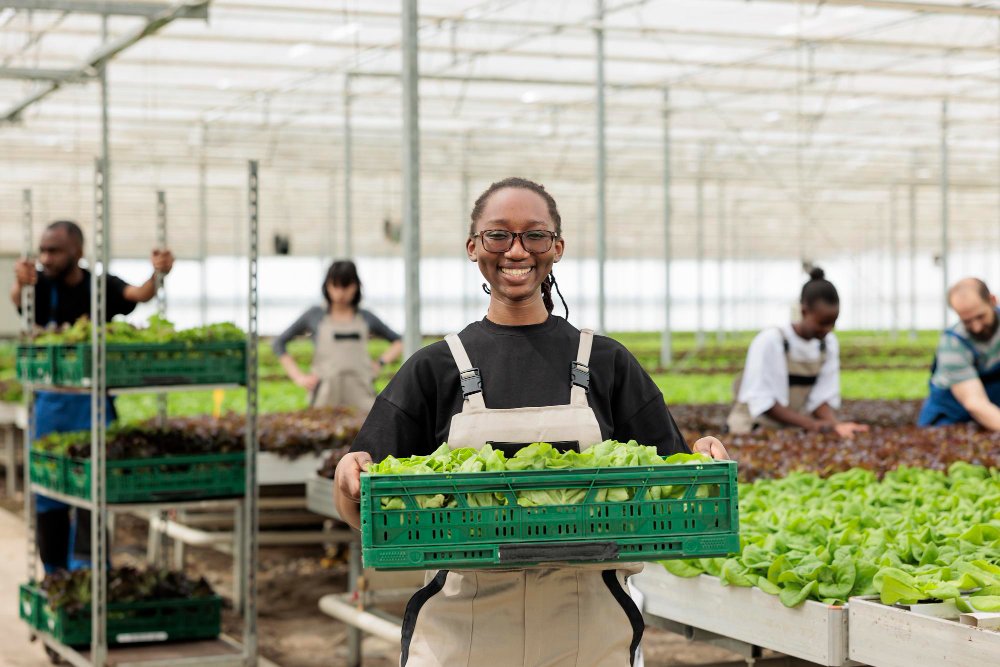
People buy vegetables every single day for soups, salads, rice, noodles, and many other meals. This means the demand is always high in homes, restaurants, hotels, and markets across the country.
Some vegetables grow within a few weeks, which allows you to recover your money faster than many other farming businesses. Even if you have a small backyard space at home, you can still start growing vegetables successfully.
If you have been searching for how to start vegetable farming in Nigeria, this guide will walk you through everything in a simple and practical way. You will learn how to choose profitable vegetables, prepare your land, plant correctly, avoid common mistakes, and sell your vegetables for profit in 2026.
Step 1: Choose the Type of Vegetable to Farm
The first step in starting vegetable farming in Nigeria is choosing the right vegetable. This decision is very important because some vegetables sell faster, grow quicker, and bring more profit than others. As a beginner, focus on vegetables that people buy almost every day.
Some of the best vegetables to grow in Nigeria are ugwu, waterleaf, spinach, tomatoes, pepper, cucumber, okra, and lettuce. Ugwu and waterleaf are very popular in Southern Nigeria because they are used regularly for soups. Tomatoes and pepper also have high demand because they are used in almost every Nigerian meal.
If you want fast profit, vegetables like spinach, lettuce, and cucumber grow quickly and can be harvested within a few weeks. During the dry season, vegetables like tomatoes, pepper, and cucumber usually sell at higher prices because fewer farmers are growing them. Before choosing any vegetable, check what people buy more in your area so you can sell faster after harvest.
Step 2: Choose a Good Farming Location
Your farm location can affect how well your vegetables grow. Even if you buy good seeds, poor land can reduce your harvest. That is why choosing the right place is very important in vegetable farming in Nigeria.
Look for land with fertile soil that is soft, dark, and rich in nutrients. Avoid land that stays flooded after rainfall because too much water can damage vegetables. Your farm should also have access to water because vegetables need regular watering, especially during the dry season.
Sunlight is another important factor. Most vegetables need at least six hours of sunlight daily to grow properly. Try to choose land close to markets, restaurants, or busy areas so transportation will be easier and cheaper.
If you are just starting, you can begin with backyard vegetable farming at home using small beds or containers. Commercial farming is better when you want to produce vegetables in large quantities for bigger profits.
Step 3: Prepare the Land Properly
After choosing your farmland, the next step is preparing the land for planting. Proper land preparation helps vegetables grow faster and healthier. It also reduces weed problems and improves water movement in the soil.
Start by clearing grasses, bushes, and dirt from the land. Remove stones, tree roots, and anything that may stop the vegetables from growing well. After clearing, make ridges or raised beds because vegetables grow better on loose and well-arranged soil.
You should also improve the soil before planting. Adding poultry manure or organic fertilizer helps increase soil nutrients naturally. Healthy soil produces stronger vegetables and better harvests.
Good drainage is very important in vegetable farming. Water should move freely without flooding the farm. When water stays too long in the soil, vegetable roots may rot and die.
Step 4: Get Quality Seeds or Seedlings
Good seeds are one of the biggest secrets behind successful vegetable farming in Nigeria. Poor seeds can lead to weak plants, low harvest, and loss of money. That is why you should never buy seeds from random roadside sellers.
Buy your seeds from trusted agricultural stores or registered seed companies. Some popular seed companies in Nigeria include Premier Seeds, East-West Seed, and Technisem. Their seeds are usually stronger and give better results.
Hybrid seeds often grow faster and produce more vegetables than local seeds. They also resist diseases better. However, local seeds are usually cheaper and may survive local weather conditions more easily.
Be careful of fake seeds in the market. Some fake seeds may not germinate at all, while others produce weak vegetables. Always check the packaging, expiry date, and company label before buying any seed.
Step 5: Plant Your Vegetables Correctly
Planting vegetables the right way helps them grow faster and produce better harvests. Many beginners make mistakes during planting and later wonder why their vegetables are not growing well.
Some vegetables like tomatoes and pepper are first planted in a nursery before moving them to the main farm. This process is called transplanting. It helps young plants grow stronger before facing harsh weather conditions outside.
Vegetables like okra and cucumber can be planted directly into the soil without a nursery. Whichever method you choose, proper spacing is very important. When vegetables are too close to each other, they compete for sunlight, water, and nutrients.
The best planting season depends on the vegetable you want to grow. Many farmers plant during the rainy season because water is easier to get. However, dry season vegetable farming can also be very profitable if you have good irrigation.
Step 6: Water and Irrigate the Farm
Vegetables need water regularly because they grow quickly and lose water fast under hot weather. Without enough water, the leaves may turn yellow, dry up, or stop growing properly.
Most vegetables should be watered once or twice daily, especially during dry periods. Early morning and evening are the best times to water vegetables because the sun is not too hot at those times.
Many farmers use manual watering with buckets, watering cans, or hoses. Larger farms often use drip irrigation systems because they save water and supply moisture directly to the roots. Drip irrigation also helps reduce water waste.
Avoid overwatering your vegetables. Too much water can cause diseases, weak roots, and poor growth. You should also avoid pouring water with too much force because it can wash away young plants or damage the soil.
Also Read: 5 Most Profitable Food Businesses In Nigeria
Step 7: Control Weeds, Pests, and Diseases
Weeds, pests, and diseases can destroy a vegetable farm very quickly if you ignore them. Weeds compete with vegetables for water, sunlight, and nutrients. That is why you should remove weeds regularly before they spread across the farm.
Some common vegetable pests in Nigeria include grasshoppers, caterpillars, aphids, snails, and whiteflies. These pests eat leaves, damage fruits, and slow down plant growth. If not controlled early, they can reduce your harvest badly.
You can control pests naturally by using neem leaves, wood ash, pepper spray, or by removing infected plants quickly. Some farmers also use chemical pesticides, especially on larger farms. If you use chemicals, follow instructions carefully and avoid spraying too close to harvest time.
Always monitor your farm daily. Check the leaves, stems, and fruits for holes, yellow spots, or unusual changes. Early detection makes disease control easier and cheaper.
Step 8: Apply Fertilizer for Faster Growth
Vegetables need nutrients to grow fast and remain healthy. Fertilizer helps improve leaf growth, fruit size, and overall harvest. Without enough nutrients, vegetables may look weak and produce poor yields.
Organic fertilizers like poultry manure and compost improve the soil naturally and last longer in the ground. NPK fertilizer works faster and gives vegetables quick nutrients for growth. Many farmers combine both methods to get better results.
Fertilizer should be applied at the right time. Applying too early or too late may reduce its effect. Most farmers apply fertilizer a few weeks after planting when the vegetables have started growing properly.
Watch for signs of nutrient deficiency on your farm. Yellow leaves, slow growth, and weak stems often mean the soil lacks nutrients. Avoid using too much fertilizer because over-fertilization can burn plants, damage roots, and reduce vegetable quality.
Step 9: Harvest Your Vegetables Properly
Harvesting is the stage where you finally enjoy the results of your hard work. Vegetables should be harvested at the right time because this affects freshness, taste, and market value. Harvesting too early or too late can reduce profit.
Leafy vegetables like ugwu and spinach can be harvested once the leaves become mature and healthy. Vegetables like tomatoes and pepper should be picked when they reach the right size and color. Always use clean hands or sharp tools during harvesting to avoid damaging the plants.
Handle vegetables carefully after harvest. Throwing or squeezing them can cause bruises and spoilage. Fresh vegetables that look clean and healthy attract more buyers in the market.
If you are supplying supermarkets, your vegetables must look neat, fresh, and properly arranged. Open markets may accept less perfect vegetables, but quality still matters if you want repeat customers.
Step 10: Sell and Market Your Vegetables
After harvesting your vegetables, the next step is finding buyers quickly. Vegetables spoil fast, so good marketing is very important in vegetable farming in Nigeria. The faster you sell, the lower your chances of loss.
Many farmers sell vegetables in local markets because demand is usually high there. You can also supply restaurants, hotels, food vendors, and supermarkets that need fresh vegetables every day. These businesses often buy in larger quantities.
Online marketing is becoming popular in Nigeria. Some farmers now advertise vegetables through WhatsApp, Facebook, Instagram, and delivery platforms. This helps them reach busy customers who prefer home delivery.
Treat your buyers well if you want repeat customers. Sell fresh vegetables, keep your prices fair, and deliver on time. People will continue buying from you when they trust your product quality and customer service.
Cost of Starting Vegetable Farming in Nigeria (2026)
The cost of starting vegetable farming in Nigeria depends on the size of the farm and the type of vegetables you want to grow. Small backyard farms may require little capital, while commercial farms need more money for land, labour, and irrigation.
A small-scale vegetable farm can start with around ₦100,000 to ₦300,000. Medium-scale farming may require ₦500,000 to over ₦2 million depending on location and equipment. Major expenses usually include land preparation, seeds, fertilizer, water supply, chemicals, and labour.
Water is one of the biggest costs during dry season farming because vegetables need regular irrigation. Good seeds and fertilizer also increase production costs, but they usually improve harvest quality and profit.
Vegetable farming can be very profitable when managed properly. Fast-growing vegetables like spinach, ugwu, and cucumber can bring returns within a few weeks after planting.
Best Vegetables That Give Fast Profit in Nigeria
Some vegetables bring profit faster because they grow quickly and have high market demand. These vegetables are good for beginners because they allow you to recover your money faster and continue farming without long waiting periods.
Spinach, lettuce, cucumber, waterleaf, and ugwu are among the fastest-growing vegetables in Nigeria. Some can be harvested within four to six weeks after planting. They are also widely consumed in homes, restaurants, and food businesses.
During the dry season, tomatoes, pepper, and cucumber often become more profitable because supply reduces in many markets. Farmers who have irrigation systems usually make better profits during this period.
Some vegetables also have export opportunities outside Nigeria. Vegetables like okra, chilli pepper, and certain leafy vegetables are sometimes exported to foreign markets. However, local market demand should remain your main focus when starting vegetable farming as a beginner.
Conclusion
One important thing many new farmers do not realize is that profit in vegetable farming is often controlled more by timing than by farm size. During periods of heavy rainfall, vegetables are everywhere and prices drop quickly. But during dry seasons, fuel scarcity, or transport problems, vegetable prices can increase sharply in major cities like Lagos, Abuja, Port Harcourt, and Ibadan. Farmers who can grow vegetables consistently during these difficult periods usually make the biggest profits.
Another hidden opportunity is direct supply. Many restaurants, supermarkets, salad businesses, and food vendors are tired of unstable market prices and poor-quality vegetables. Some now prefer working directly with reliable farmers instead of visiting open markets daily. A small farmer with steady supply and clean vegetables can quietly build long-term buyers without owning a massive farm.
The biggest mistake many beginners make is focusing only on planting without understanding storage, transport, and market movement. Vegetables spoil very fast, and this is where many farmers lose money. Sometimes, a farmer with a smaller harvest but better customer network earns more than someone with a larger farm and no proper buyers.
As food prices continue rising in Nigeria, fresh vegetable demand will keep increasing because vegetables remain part of daily meals in almost every home. People may reduce luxury spending, but they still need food every day. That is one of the reasons vegetable farming remains one of the smartest agricultural businesses to start.
