
People drink water daily, and sachet water remains the most affordable option for millions of Nigerians. This means demand is constant, whether in busy cities or small towns.
If you are looking for a business you can start and grow steadily, this is a strong option. You don’t need to be highly educated or experienced to begin. What you need is the right information, proper setup, and a clear understanding of how the business works.
In this guide, you will learn how to start a pure water business in Nigeria step by step. From registration and NAFDAC approval to production, distribution, and profit breakdown, everything is explained in a simple and practical way.
Step 1: Conduct Market Research
Before you start a pure water business in Nigeria, you need to understand your market. Look around your area and ask simple questions. Do people buy sachet water often? Are there many vendors on the street? This helps you know if there is real demand.
Next, study your competitors. Check how many brands are already selling in your area. Buy their sachet water and observe the quality, price, and packaging. This will show you what people like and what you can do better.
Finally, decide your pricing strategy. Find out how much a bag of pure water is sold in your area. Your price should not be too high or too low. Aim for a price that gives you profit but still attracts customers.
Step 2: Choose Your Business Model
There are three main ways to run a pure water business. You can produce, distribute, or sell directly to consumers. Production requires more money but gives higher profit. Distribution and retail need less capital but lower returns.
Think about your budget before choosing. If you have enough money, production is the best long-term option. If your capital is small, start with distribution or retail and grow gradually.
Also, understand your profit expectations. Producers make money from volume. Distributors earn from bulk sales. Retailers profit from daily quick sales. Choose the model that fits your current level and future plan.
Step 3: Register Your Business
To run a serious pure water business in Nigeria, you need to register your business name. This is done through the Corporate Affairs Commission (CAC). It gives your business a legal identity.
Registering your business builds trust. Customers and distributors take you more seriously when your business is registered. It also allows you to open a business bank account.
A proper legal structure also protects you. If you plan to expand later, registration makes it easier to grow. It is a simple step, but very important for long-term success.
Step 4: Get NAFDAC Approval
In Nigeria, you cannot legally produce pure water without approval from National Agency for Food and Drug Administration and Control (NAFDAC). This is because water is a consumable product.
NAFDAC checks if your water is safe for drinking. They will inspect your production process, equipment, and environment. This ensures your product does not harm people.
The process involves application, inspection, and testing. It takes time and costs money, but it is compulsory. Without NAFDAC approval, your business can be shut down at any time.
Step 5: Secure a Good Water Source
Your water source determines the quality of your product. Most pure water businesses in Nigeria use a borehole. Others connect to treated water sources, but borehole is more common.
Clean water is very important. If your water is not safe, people can fall sick. This will destroy your business quickly. Always ensure your water is properly treated before packaging.
You also need to follow basic health and safety standards. Keep your environment clean and avoid contamination. Good water quality builds trust and keeps customers coming back.
Step 6: Get a Suitable Location
Your location plays a big role in your success. Choose a place that is easy to access for distribution. Trucks and bikes should be able to enter and leave without stress.
The environment must be clean and well-drained. Avoid dirty or flooded areas. NAFDAC will inspect your location, so hygiene is very important.
You can start small or go big depending on your budget. A small setup works for beginners. A factory setup is better if you plan to produce large quantities from the start.
Also Read: 15 Best Tech & Digital Businesses To Start In Nigeria
Step 7: Buy Equipment and Machines
To start a pure water production business, you need the right equipment. The most important machine is the sealing machine. This is what fills and seals the sachets.
You will also need a water treatment system. This includes filters and purification units that make the water safe for drinking. Without this, your product will not meet standards.
Other items include storage tanks and nylon rolls. Tanks store your treated water, while nylon is used for packaging. Buy quality equipment to avoid constant repairs and production delays.
Step 8: Install Water Treatment System
Your water must pass through a proper treatment system before packaging. This process removes dirt, bacteria, and harmful substances. It usually starts with filtration, where particles like sand and rust are removed.
Next is purification. This may include activated carbon filters and ultraviolet (UV) light. These steps kill germs and remove bad smell or taste. The goal is to make the water clean, safe, and clear.
Always test your water regularly. This helps you confirm that your treatment system is working well. Clean and safe water is the foundation of a successful pure water business in Nigeria.
Step 9: Hire and Train Staff
You cannot run a pure water business alone, especially at production level. You need machine operators who understand how to handle the equipment. They should know how to run the machines smoothly without causing damage.
Hygiene training is very important. Your staff must keep the environment clean at all times. They should wash their hands regularly and avoid contaminating the water during production.
You will also need distribution staff. These are the people who deliver your products to shops and vendors. Reliable staff will help your business run smoothly and grow faster.
Step 10: Start Production
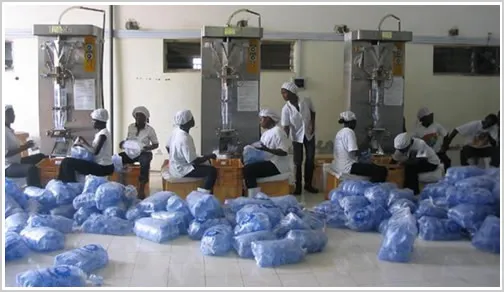
Once everything is set, you can begin production. The process involves filling the nylon with treated water and sealing it into sachets. The machine does most of the work, but it must be properly monitored.
Focus on quality control from day one. Check your sachets for leaks, proper sealing, and clean appearance. Bad products can damage your reputation quickly.
Set daily production targets based on your capacity. This helps you manage output and meet demand. Consistent production keeps your business stable and profitable.
Step 11: Distribute and Sell Your Pure Water
After production, your next focus is getting your product to customers. Start by finding distributors who can buy in bulk. They will help you move large quantities quickly.
You can also sell directly to retailers like shops, kiosks, and street vendors. These sellers reach the final consumers daily. Build good relationships with them so they keep buying from you.
Another option is direct selling. You can supply offices, events, and households. The more channels you use, the faster your pure water business in Nigeria will grow.
Step 12: Market Your Pure Water Business
Marketing helps people notice your brand. Start with simple but clean packaging. Your nylon should carry your brand name, contact details, and NAFDAC number.
Word of mouth is very powerful. When your water is clean and affordable, people will recommend it. Focus on quality so customers can market for you.
Use local marketing strategies. Supply popular areas, attend small events, and build visibility in your community. A strong presence will make your pure water business in Nigeria stand out.
Conclusion
In many parts of Nigeria, a bag of pure water sells between ₦250 and ₦400, but production costs are rising due to fuel, nylon, and maintenance. This means your real success will depend on how efficiently you run your business, not just how much you produce.
One smart angle many new entrants miss is cost control and scale timing. Data from local market patterns shows that businesses with strong distributor networks sell up to 3x faster than those relying only on walk-in buyers. If your product does not move quickly, you will face storage issues and cash flow problems, even if demand is high.
Another overlooked factor is power and logistics efficiency. Electricity and fuel can take up a large part of your daily expenses. Successful operators reduce costs by using energy-saving machines or running production during off-peak hours. Some also partner with multiple distributors instead of owning delivery vehicles early, which helps them stay flexible and reduce fixed costs.
Finally, think beyond just selling water. The real long-term opportunity is in brand trust and expansion. Once people trust your water quality, you can easily move into bottled water, bulk supply for events, or even private label production for businesses. This is how small pure water setups grow into full water companies over time.
