
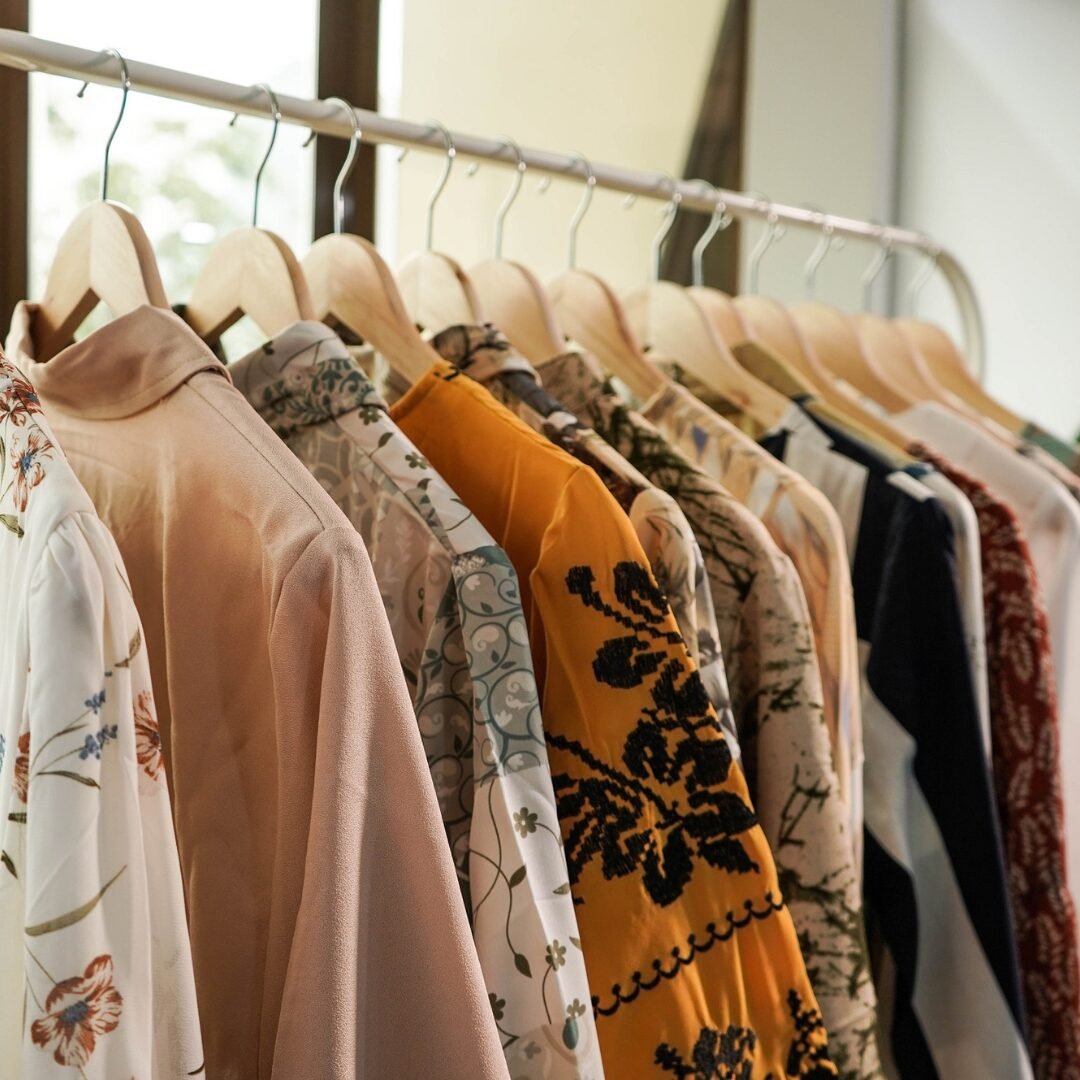
Fashion thrift (okrika) business is one of the smartest ways to make money with low capital and fast returns. Everywhere you look today, people are buying thrift clothes because they are affordable, stylish, and sometimes even better than new ones. This means one simple thing: there is already a strong market waiting for you if you do it the right way.
In this guide, you will learn how the okrika business really works, how to choose the right niche, how to find good bales, how to price your clothes, and how to sell both online and offline. You will also understand how to avoid common mistakes that make many beginners lose money.
Step 1: Understand How the Okrika Business Works in Nigeria
The fashion thrift (okrika) business in Nigeria is simple: you buy clothes in bulk (called bales), sort them, and sell each piece individually for profit.
Most sellers don’t produce anything. They make money from buying smart and selling better.
These clothes are usually imported from the UK, US, or Europe. They come in different grades. Some are almost new, while others are average.
Your profit depends on:
- The quality of the bale you buy
- How well you sort and package the clothes
- How well you sell and market them
If you understand this early, you will avoid the biggest mistake: thinking it’s just about buying and selling. It’s actually about selection and presentation.
Step 2: Choose the Type of Thrift Niche You Want to Sell
Don’t try to sell everything. That’s how many people fail in the okrika business.
Focus on a niche so people can easily know what you are known for.
You can choose based on:
- Gender – male or female wear
- Category – jeans, shirts, dresses, jackets, shoes
- Audience – students, corporate workers, plus-size, kids
Also, understand bale types:
- UK/US bales – better quality, higher price
- China bales – cheaper, but lower quality
- First grade – cleaner, more profit
- Mixed/okrika – cheaper but riskier
Step 3: Research Your Target Market and Location
Before you buy anything, ask yourself: who will buy from me?
Your target market will determine:
- What you sell
- Your pricing
- Where you sell
For example:
- Students prefer trendy and affordable clothes
- Corporate workers prefer neat, clean, and classy wear
Now decide your location:
- Physical shop – good for steady walk-in customers
- Online (Instagram/WhatsApp) – low cost and fast growth
In Nigeria, areas like campuses, busy streets, and markets sell faster. If you skip this step, you may buy clothes that nobody around you wants.
Step 4: Calculate Startup Capital and Budget Properly
You don’t need millions to start, but you must plan your money well.
Your startup cost will cover:
- Buying your first bale
- Transport and logistics
- Washing and ironing
- Shop rent (if physical) or data/ads (if online)
A small start can be:
- ₦100,000 – ₦300,000 (mini start)
- ₦300,000 – ₦800,000 (moderate start)
Don’t spend everything on buying bales. Keep money for:
- Sorting
- Marketing
- Unexpected losses
Many people fail because they buy big without planning small costs.
Step 5: Find Reliable Okrika Bale Suppliers
Your supplier can make or break your business.
In Nigeria, popular okrika markets include:
- Yaba (Lagos)
- Katangua (Abule Egba, Lagos)
- Aba (Abia State)
You can also buy from:
- Bale dealers on WhatsApp
- Direct importers
But be careful.
Some suppliers:
- Sell already-picked (low-quality) bales
- Mix bad clothes inside
To stay safe:
- Start with trusted sellers
- Ask questions before buying
- If possible, go with someone experienced
A good supplier gives you consistency. A bad one gives you losses.
Step 6: Learn Bale Selection and Quality Inspection
This is where real profit is made.
Two people can buy the same bale type, but one makes profit and the other loses money. The difference is selection skill.
Know the main bale types:
- First grade – cleaner, fewer damages, higher price
- Mixed grade – average quality
- Untouched (factory sealed) – risky but can be very profitable
What to check:
- Smell (avoid soaked or badly stored bales)
- Fabric quality
- Trend relevance (are people still wearing it?)
If possible, start with:
- Semi-open or partially checked bales
As you gain experience, you can move to untouched bales. In this business, your eye is your biggest asset.
Step 7: Buy Your First Bale and Start Small
Don’t try to impress anyone with your first purchase. Start small and focus on learning the business properly. Your first bale is not meant to make you rich. It is meant to teach you how the business works in real life.
When you start small, you get to understand bale quality, how sorting works, and what kind of clothes people actually buy. If you rush and buy many bales at once without experience, you can lose money very quickly.
The smartest approach is to begin with one bale or even a smaller quantity if possible. Learn from it, improve your mistakes, and grow from there.
Step 8: Wash, Sort, and Add Value to Your Clothes
This is where the real money is made in the okrika business. The way you handle your clothes after opening the bale will determine how much you earn.
Once you open your bale, you need to separate the good items from the average ones. After that, wash all the clothes properly and iron them neatly. Clean clothes always sell faster and at higher prices.
What you are doing here is adding value. A simple shirt that looks rough can become very attractive just because it is clean, well-ironed, and properly packaged.
People are not just buying clothes. They are buying how the clothes look and feel.
Step 9: Price Your Items for Profit (Without Losing Customers)
Pricing your clothes the right way is very important. If your price is too high, customers will walk away. If it is too low, you will not make enough profit.
You need to consider how much you bought the bale, the quality of each item, and the kind of customers you are selling to. Not all clothes should have the same price. Some items are basic and should sell quickly at lower prices, while others are more unique and can be sold at higher prices.
When you price your items well, you will sell faster, recover your money quickly, and still make good profit.
Step 10: Choose Your Selling Channel
Where you sell your clothes will affect how fast your business grows. You can decide to sell online or offline, depending on your budget and target market.
Selling online through platforms like Instagram, WhatsApp, and TikTok is cheaper and can help you reach many people quickly. On the other hand, having a physical shop or selling in a busy area can give you steady daily customers.
Many successful okrika sellers in Nigeria start online because it is easier and requires less money. As the business grows, they then expand into a physical store.
Step 11: Market Your Okrika Business Aggressively
If people don’t see your clothes, they will not buy from you. Marketing is what brings customers to your business.
You need to show your products regularly. Post clear pictures and videos of your clothes. Try-on videos also work very well because they help people see how the clothes look when worn.
Consistency is very important. In Nigeria, many customers follow thrift sellers just to wait for new arrivals. When you keep showing up and posting regularly, people begin to trust you.
That trust turns into repeat customers and steady sales.
Step 12: Manage Cash Flow and Reinvest Profits
Making sales is not enough. You need to manage your money well if you want your business to grow.
Always separate your business money from your personal money. This helps you know if you are actually making profit or just spending blindly.
When you start making profit, don’t rush to spend it. Use a good part of it to buy new bales and restock your business. This is how you grow faster and stay consistent in the market.
Most people don’t fail because the business is bad. They fail because they don’t manage their money properly. If you handle your cash well, your okrika business will keep growing steadily.
Conclusion
Right now, Nigeria’s second-hand clothing market is growing because of inflation and reduced purchasing power. Many people who used to buy new clothes have quietly switched to thrift, not because they want to, but because they have to. That shift is creating a long-term opportunity, not just a temporary hustle.
An angle many entrepreneurs ignore is speed over margin. In Nigeria, cash flow is more powerful than high profit per item. Selling 50 pieces quickly at moderate profit will grow your business faster than holding 10 expensive pieces waiting for “big gain.” This is why the smartest thrift sellers focus on turnover, not just pricing.
Also, if you want to stand out in 2026, you need to think beyond just “okrika.” The market is becoming more competitive. The people winning now are building micro-brands. They package better, tell stories with their clothes, create a certain vibe, and make customers feel like they are buying from a brand, not just a random seller.
If you approach it this way, you won’t just start a fashion thrift (okrika) business in Nigeria, you will dominate it.
