
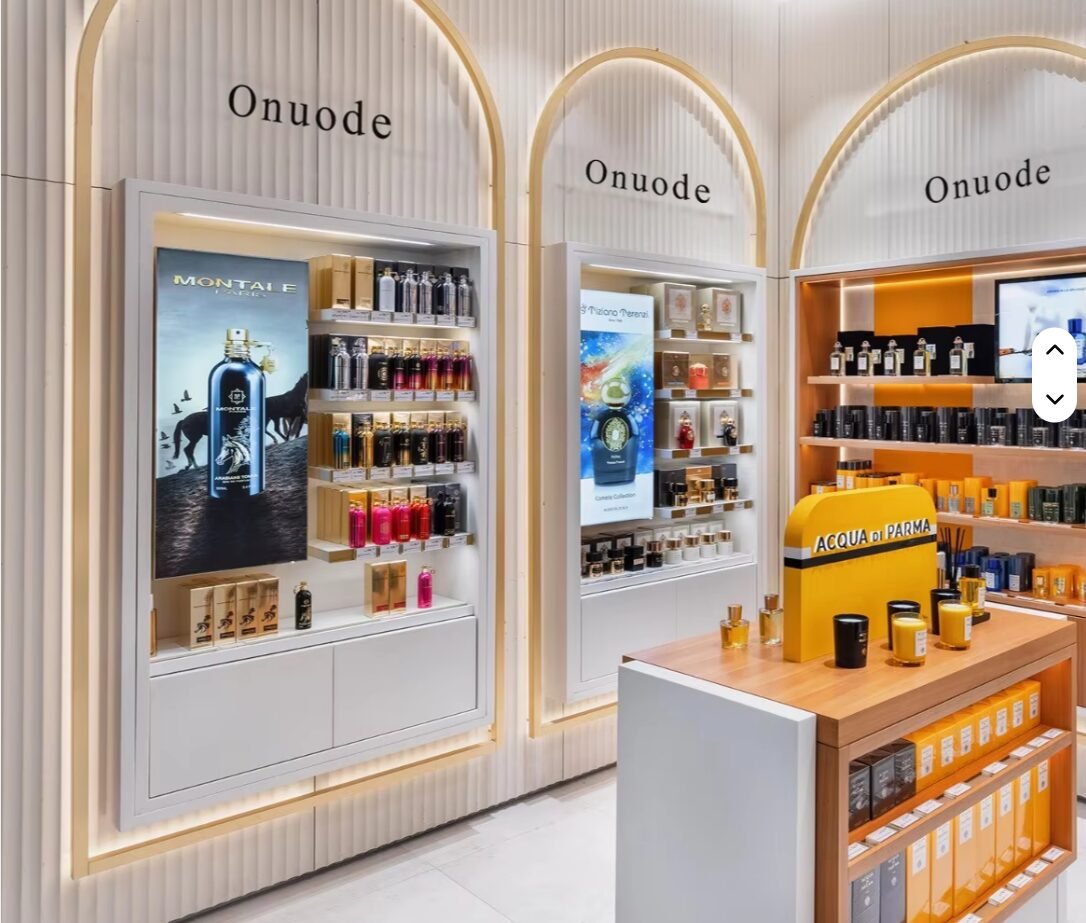
If you are searching for how to start a perfume business in Nigeria, this guide is for you. Perfume sells fast because people use it daily (students, workers, and business owners). And in Nigeria, many buyers prefer affordable scents that still last long.
This guide will help you start the right way, even if you’re new. You’ll understand how the business works, choose what to sell, plan your money, find suppliers, and register properly.
By the end, you will know the exact steps to start, avoid costly mistakes, and set up a perfume business that can grow from small sales to steady monthly income.
Step 1. Understand How the Perfume Business Works in Nigeria
The perfume business in Nigeria is simple: you buy perfumes (or perfume oils), package them well, and sell at a profit.
There are common ways people run it:
- Reselling branded perfumes
- Selling perfume oils (roll-on or spray)
- Making “inspired” perfumes (similar scents)
- Wholesale supply to other sellers
Your profit depends on quality, presentation, and repeat customers. Many sellers win because they keep customers coming back, not because they sell once.
Decide early if you want to be a small seller (WhatsApp/Instagram) or build a bigger brand later. This step helps you avoid confusion and choose the right direction from day one.
Step 2. Choose a Profitable Perfume Niche
A niche means the specific type of perfume you want to focus on. This helps you sell faster because people know what you stand for.
Good niche options in Nigeria include:
- Long-lasting perfume oils
- Affordable everyday perfumes
- Luxury designer perfume retail
- Office-friendly scents
- Youth and “soft life” scents
Pick based on your target buyers. Students usually want cheaper options. Corporate workers often pay more for clean, mature scents. Brides and event people like strong perfumes with presence.
Don’t try to sell everything at once. Start with one clear niche, build trust, and expand later. A clear niche makes marketing easier and helps you stand out in a crowded perfume market.
Step 3. Learn the Basics of Perfume and Fragrance Types
To sell well, you must understand what you’re selling. This makes you sound confident and helps customers trust you.
Perfumes come in different strengths:
- EDP usually lasts longer
- EDT is lighter and fades faster
- Perfume oils can last long if they are good
Also learn fragrance “notes”:
- Top note: first smell
- Middle note: the main body
- Base note: what lasts longest
Know the simple categories customers ask for: sweet, fruity, woody, fresh, spicy.
You don’t need to be a scientist. Just learn enough to recommend the right scent for work, dates, school, and events. When you can guide buyers, you sell more and get more repeat customers.
Step 4. Calculate Your Startup Capital and Budget Properly
Before you start, know how much you can spend and what you must buy first. This keeps you from wasting money.
Your budget usually goes into:
- Stock (perfumes or oils)
- Bottles (if you’re selling oils/sprays)
- Packaging (labels, nylon, boxes)
- Marketing (data, ads, content tools)
- Delivery/logistics
Start small if needed, but start smart. Don’t use all your money to buy plenty stock while ignoring packaging and marketing. If people don’t trust your presentation, they won’t buy.
Write down every cost before buying anything. Even with small capital, you can start a perfume business in Nigeria and grow—if your budget is planned and controlled.
Step 5. Register Your Perfume Business and Choose a Brand Name
If you want to build a serious perfume business in Nigeria, registration helps. It increases trust, especially when you want to sell to offices, stores, or partners.
Start by choosing a brand name that is easy to pronounce, easy to spell, and easy to remember. Avoid complicated names.
Then register with CAC when you’re ready. You can start as a small seller first, but if you plan to scale, registration becomes important.
Registration helps you:
- Open a business bank account
- Build credibility online
- Protect your brand name
- Work with bigger customers
Don’t overthink this step. Pick a clean name, build your presence, then register when you’re sure you want to grow beyond small sales.
Step 6. Find Reliable Perfume Oil and Bottle Suppliers
Your profit and customer reviews depend on your supplier. If your perfume doesn’t last, people won’t come back, no matter how well you market it.
Start by choosing what you’re sourcing: perfume oils, ready-made perfumes, bottles, sprayers, and packaging.
When checking suppliers, focus on quality, consistency, and trust. Ask for samples first. Test for longevity, scent strength, and how it smells after 2–6 hours.
Look for suppliers who can supply the same quality every time. Also confirm their minimum order, delivery speed, and return policy.
If you’re buying perfume oils, avoid sellers who refuse to tell you basic details like oil type and concentration. A good supplier helps you grow a stable perfume business in Nigeria, not a one-time hustle.
Step 7. Buy the Equipment and Materials You Need
Buy only what you need for your business model. Don’t waste money on tools you won’t use yet.
If you’re selling perfume oils or making sprays, you’ll typically need:
- Bottles (roll-on or spray)
- Perfume oils
- Alcohol (for spray perfumes)
- Fixatives (optional, based on your formula)
- Measuring tools (syringe, funnel, beakers)
- Labels and packaging materials
Start with a few best-selling bottle sizes, not everything. Keep your packaging clean and consistent. People judge perfume fast by how it looks.
If you’re reselling branded perfumes, your “materials” are mainly your stock, receipts for authenticity, and safe storage.
Your goal here is simple: buy smart, keep it neat, and sell quality.
Step 8. Create Your Brand, Packaging, and Product Pricing
Branding is what makes people choose you over another seller with the same scent. Your name, packaging, and messaging should look trustworthy.
Pick a brand identity that matches your market. If you’re targeting corporate buyers, keep it clean and premium. If you’re targeting students, make it simple but attractive.
Packaging matters because perfume is a “gift-like” product. Use clean labels, clear bottle design, and good sealing.
Now price for profit. Don’t guess. Add:
- Cost of product
- Cost of bottle and packaging
- Delivery losses or leakage allowance
- Your profit margin
Avoid pricing too low to “rush customers.” Low pricing attracts unserious buyers. Price in a way that keeps your perfume business in Nigeria sustainable.
Step 9. Set Up Your Sales Channels
To sell consistently, you need places where people can buy easily. Start with what is fast and cheap, then expand.
Best channels for a perfume business in Nigeria:
- WhatsApp Business (catalogue, auto-replies, broadcast)
- Instagram (reels, stories, testimonials)
- TikTok (quick scent recommendations and lifestyle clips)
- Jumia/Konga/your website (optional scaling tools)
- Physical sales (campus, offices, salons, stores)
Don’t open too many channels at once. Pick 1–2 and master them.
Set up clear product photos, prices, and delivery info. Make ordering simple: “Pick a size, pick a scent, pay, and we dispatch.”
The easier you make buying, the more you sell.
Step 10. Use Proven Marketing Strategies to Get Customers Fast
Marketing is how people discover you. The best strategy is to show proof, not noise.
Start with social proof: reviews, customer videos, and screenshots of feedback. People trust people.
Use content that answers what buyers care about:
- “Long-lasting perfumes for work”
- “Top 5 male perfumes women love”
- “Best budget perfumes in Nigeria”
Run a simple sampling strategy: small testers for first-time buyers, then upsell bigger sizes.
Use WhatsApp properly: status daily, broadcast weekly, and reply fast. Speed sells.
Influencers can work, but choose micro-creators with real engagement, not big followers.
If you want to rank on Google, write blog content around “how to start a perfume business in Nigeria” and link to your store pages.
Step 11. Scale Your Perfume Business for Higher Monthly Income
Scaling means moving from random sales to steady income. You scale by improving systems, not just buying more stock.
Focus on these:
- Keep best-sellers in stock always
- Build repeat customers with follow-ups and loyalty deals
- Introduce bundles (2 for discount, gift sets, office packs)
- Start wholesale supply to smaller sellers
- Create your own signature line when you have demand
Track what sells most. If 20% of your scents bring 80% of your sales, double down on them.
Also improve delivery and packaging to reduce leakage and complaints.
As you grow, separate your business money from personal money. This single habit protects your profit.
A serious perfume business in Nigeria grows faster when you treat it like a real brand, not a side hustle.
Conclusion
Starting a perfume business is not just about buying oils and posting on WhatsApp. In 2026, your real advantage is trust and repeat buying.
Nigeria’s fragrance market is price-sensitive. Value can rise while volume drops when inflation bites, so people become more careful with spending. That means customers will “test you” first before they commit.
Also, meet buyers where they already shop. Nigeria’s e-commerce is growing fast, so your online presence is not optional.
Another shift many people ignore is the move from “product selling” to identity selling. Nigerians don’t just buy perfume for smell. They buy for status, attraction, confidence, and workplace presence. When you position your brand around a lifestyle (corporate, student, bridal, luxury, or everyday fresh) your pricing power increases without resistance.
